Guides
The Best Lighting for Every Room
July 11, 2026 · 9 min read
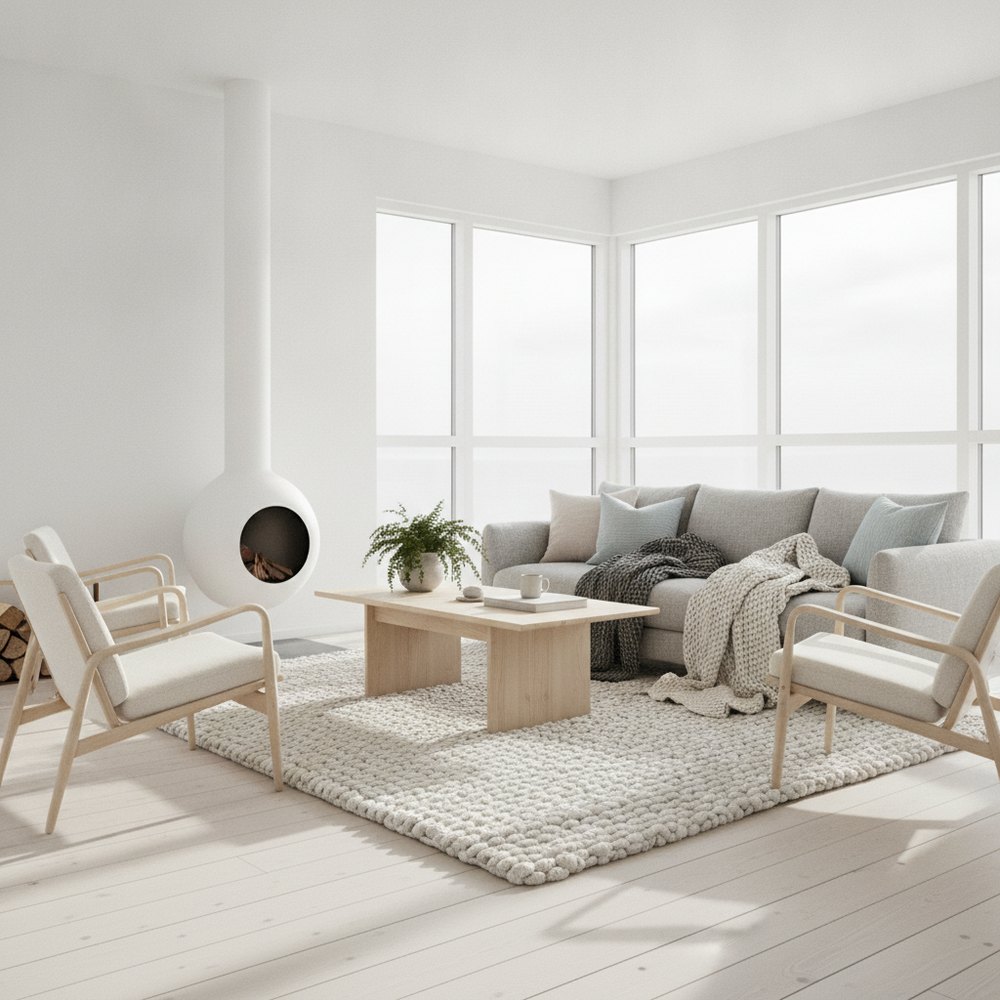
The best lighting for every room uses three layers together: ambient light for overall brightness, task light for specific jobs, and accent light for mood and highlights. Pair that with the right colour temperature — warm (around 2700K) for living and sleeping spaces, cooler for kitchens and workspaces — and every room works day and night.
What makes lighting good?
Lighting is the most underrated element in interior design and the one that most transforms how a room feels. A beautifully furnished room with one harsh ceiling light will always feel flat; a modest room with layered, well-placed light feels expensive. Good lighting does three things at once: it lets you see to do tasks, it shapes the mood, and it draws attention to what matters.
The single biggest upgrade most homes can make is to stop relying on one central 'big light' and start layering several smaller sources at different heights. That is the whole game, and the rest is detail.
The three layers of lighting
Professional lighting design works in three layers. You need all three; skipping one is why a room feels 'off' even when it is bright enough.
- Ambient (general) — the base layer of overall illumination that lets you move safely and see the whole room. Ceiling lights, recessed downlights, large pendants, or light bounced off the ceiling.
- Task — brighter, focused light exactly where you do something specific: reading, cooking, working, applying make-up. Desk lamps, under-cabinet strips, reading lights and vanity lights.
- Accent (mood) — lower-level light that adds atmosphere and highlights features: art, texture, a plant, an alcove. Wall lights, table and floor lamps, uplighters and LED strips.
Why layers need separate switches
The trick is that these layers should be on separate switches or dimmers, so you can shift a room from bright-and-functional to low-and-cosy without changing a bulb. A living room with only downlights can never be cosy; add lamps and wall lights and it can be either.
What is colour temperature and why does it matter?
Colour temperature, measured in Kelvin (K), describes whether light looks warm and yellow or cool and blue. It is not the same as brightness. Lower numbers are warmer; higher numbers are cooler and more energising. Getting this right matters more than almost any fixture choice, because it sets the emotional temperature of the room.
- 2700K — warm white, soft and cosy; the default for living rooms, bedrooms and dining rooms.
- 3000K — warm white, slightly crisper; good for bathrooms, kitchens and hallways.
- 3500K to 4000K — neutral or cool white, clean and alert; kitchens, bathrooms, home offices and utility spaces.
- 5000K and above — daylight, bright and clinical; task-heavy workspaces and detail work only, rarely for living areas.
Two rules that save most rooms
Two rules save most rooms. First, keep it warm (2700K) anywhere you relax. Second, keep colour temperature consistent within a single room — mixing warm and cool bulbs in one space looks accidental and unsettling.
Also look at the bulb's colour rendering (CRI); a higher CRI shows your colours and materials more truthfully, which matters wherever you chose paint carefully — see wall colour psychology.
Room-by-room lighting reference
Here is a practical starting point for each room. Adjust brightness to taste, but keep the layers and temperatures roughly as below:
- Living room — layered and warm (2700K). Ambient from downlights or a pendant on a dimmer, task light by seating for reading, accent from lamps and wall lights. Prioritise lamps over the ceiling light. More in living room design ideas.
- Bedroom — warm (2700K) and gentle. Soft ambient, bedside task lights for reading, and low accent light. Avoid bright overhead light; put the bedsides on their own switches.
- Kitchen — bright and functional (3000K to 4000K). Good ambient plus dedicated task lighting on the worktops (under-cabinet strips) so you are not working in your own shadow. See modern kitchen remodeling.
- Bathroom — clean (3000K to 4000K) with task light beside, not just above, the mirror to avoid shadows on the face. Use fittings rated for damp zones. Ideas in luxury bathroom design.
- Home office — neutral to cool (around 4000K) for focus during work, ideally with a warmer lamp for evenings. Position light to avoid screen glare and side-light the desk.
- Dining room — warm (2700K) pendant centred over the table on a dimmer, hung roughly 75 to 90cm above the tabletop; add candles or accent light for atmosphere.
- Hallway and entry — warm and welcoming; layered so it is not a single flat wash. Wall lights add depth to a narrow space.
Choosing the right fixtures
Fixtures do two jobs: they deliver light and they are objects you look at. Match the fixture to the layer. Pendants and chandeliers make a statement and define a zone (over a table or island); recessed downlights disappear and give clean ambient light; wall lights add mid-height glow and drama; floor and table lamps bring light down to human level, which is what makes a room feel warm.
- Pendant or chandelier — a focal fixture over tables, islands and stairwells.
- Recessed downlights — discreet ambient light; avoid a rigid grid that lights the floor, not the room.
- Wall lights and sconces — mid-height accent and ambient; great in halls, beside beds and by seating.
- Floor and table lamps — bring warmth to eye level; the fastest way to make a room cosy.
- Under-cabinet and strip lighting — hidden task and accent light in kitchens and shelving.
Dimmers, controls and bulbs
Dimmers are the highest-value, lowest-cost lighting upgrade in any home. They let one fixture serve bright tasks and soft evenings, and they instantly make lighting feel considered. Put ambient layers on dimmers as standard.
- Fit dimmers on ambient and dining lighting so one room does both day and night.
- Put lighting layers on separate switches so you can choose the mood.
- Choose LED for efficiency and longevity, checking the Kelvin and CRI on the box.
- Consider smart bulbs where you want to shift temperature and brightness by time of day — see smart home interior trends.
Common lighting mistakes
- Relying on a single central ceiling light — the number one cause of flat, unwelcoming rooms.
- Mixing warm and cool bulbs in the same room.
- Too much cool or daylight light in relaxing spaces, making them feel clinical.
- Recessed downlights on a rigid grid that light the floor instead of walls and features.
- Task areas — worktops, desks, mirrors — left in shadow.
- No dimmers, so a room only ever has one setting.
- Hanging pendants too high or too low over tables and islands.
Plan and preview your lighting
Lighting is hard to imagine from a plan and expensive to redo, so it pays to picture it before you wire anything. Map your layers room by room first — where you need ambient, task and accent — then choose fixtures to deliver each. To see how a scheme feels, preview lit, styled versions of your actual room with AI before buying fittings.
Upload a photo to Decorly, try styles and moods, and see how light and finishes read together in about seconds. Pair the result with the right furniture placement and colour scheme and the room is essentially designed. Browse more room ideas to start.
Frequently asked questions
What are the three types of lighting in a room?
Ambient (general light to see the whole room), task (focused light for jobs like cooking or reading) and accent (mood light that highlights features). A well-lit room uses all three, ideally on separate switches or dimmers.
What colour temperature is best for a living room?
Warm white, around 2700K. It is soft and cosy, ideal for relaxing spaces. Keep the same temperature throughout the room and use dimmers to vary the brightness.
What is the most common lighting mistake?
Relying on one central ceiling light. It flattens a room and can never be cosy. Adding lamps, wall lights and task lighting on separate switches transforms how the space feels.
Warm or cool light for a kitchen?
Kitchens work best a little cooler and brighter — around 3000K to 4000K — because they are task-heavy. Add dedicated under-cabinet task lighting so you are not working in your own shadow.
How high should a pendant hang over a dining table?
Roughly 75 to 90cm (about 30 to 36 inches) above the tabletop, centred on the table. High enough not to block sightlines across the table, low enough to feel intimate and to light the surface well.