Styles
Smart Home Interior Design Trends
July 11, 2026 · 8 min read
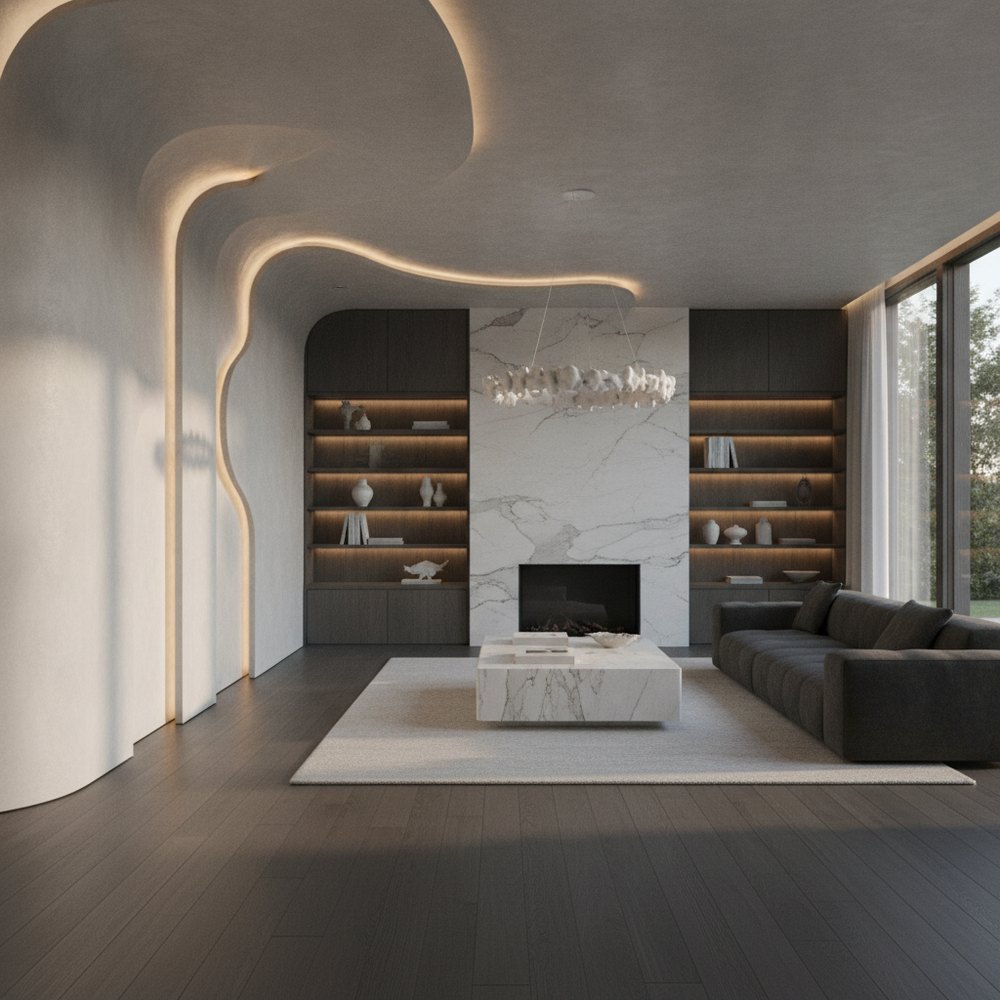
Smart home interior design integrates technology so quietly it disappears — hiding speakers, screens, wiring and sensors inside architecture and joinery. The most durable directions favour automated layered lighting, tactile sustainable materials and calm, adaptable spaces where tech serves comfort and atmosphere rather than dominating the room.
What are smart home interior trends really about?
The best smart home design is not about visible gadgets — it is about technology you feel but do not see. The strongest, most timeless direction is toward invisibility and calm: devices that fade into the architecture, automation that quietly anticipates your needs, and rooms that stay warm and human rather than turning into a control panel.
This restraint sits naturally within contemporary and modern interiors, where clean surfaces and hidden storage already make it easy to tuck tech away. The goal is a home that is more comfortable, efficient and adaptable, without ever looking like a showroom of screens. Value the atmosphere first and let the technology support it.
Making technology invisible
The clearest through-line in good smart home design is concealment. Every visible device, cable and box competes with the room; hiding them is what keeps a connected home looking like a home. Plan this into the joinery and architecture early — retrofitting invisibility is far harder.
- Speakers built into ceilings and walls — or hidden behind acoustically transparent panels.
- Screens that disappear — mirror TVs, art-mode displays and cabinetry that conceals them.
- Charging designed in — wireless pads set into desks and nightstands, cables routed inside furniture.
- Discreet sensors and controls — flush wall panels and hidden motion sensors instead of clutter.
- No visible cable runs — wiring planned into walls and joinery from the start.
Lighting automation done well
Lighting is where smart homes deliver the most everyday pleasure, because light shapes mood more than almost anything else. Automated, layered lighting can shift a room from bright and energising in the morning to warm and restful at night — all without touching a switch. This is the single upgrade most worth doing.
The key is subtlety: tunable white light that warms as evening falls, scenes for cooking, relaxing or entertaining, and gentle transitions rather than abrupt on-off changes. Pair automation with the same three-layer approach every good room uses — ambient, task and accent — so the technology enhances a well-designed lighting plan rather than replacing one. Read our best lighting for every room guide for the fundamentals, and see how it works in a home office.
Sustainable, tactile materials
A clear and lasting direction is pairing high technology with low-impact, natural materials — warm, tactile surfaces that keep a high-tech home from feeling cold. As homes get smarter, the counterbalance is a return to honest textures you want to touch, and to materials with a smaller environmental footprint.
- Reclaimed and responsibly sourced wood — for warmth, character and lower impact.
- Natural stone, clay and lime plaster — durable, tactile and quietly luxurious.
- Wool, linen and natural fibres — breathable textiles over synthetics.
- Recycled and low-VOC finishes — healthier paints, boards and surfaces.
- Energy-aware design — better insulation, efficient glazing and smart climate control working together.
Multifunctional, adaptable rooms
Homes increasingly need to flex — a living room that becomes a workspace, a guest room that folds away, a kitchen that hosts. Smart, well-designed interiors support this with adaptable furniture and technology that reconfigures a space at a touch, so one room can serve several lives without feeling cramped or compromised.
Think movable partitions, integrated desks that disappear, motorised or modular furniture, and lighting scenes that redefine a room for work, rest or entertaining. The design principle is flexibility without clutter — the room changes function but always stays calm. For workspace-specific ideas, see our home office ideas and living room ideas.
Acoustic comfort and wellness
As open-plan living and hard, minimal surfaces have spread, sound has become a quiet luxury. A growing focus in smart interiors is comfort for the senses — managing acoustics, air quality, natural light and temperature so a home actively supports wellbeing rather than just looking good.
Practical moves include soft acoustic materials (felt panels, textiles, rugs) to tame echo, circadian lighting that matches the body's rhythm, discreet air-quality and climate sensors, and easy access to daylight and views. The technology should recede; what you notice is simply that the space feels good to be in.
Designing for the future, with restraint
Technology dates quickly, so the smartest interiors are built to adapt. Rather than hard-wiring today's specific gadgets into the walls, good design creates flexible infrastructure — power, connectivity and concealment — that can host whatever comes next. Restraint here is future-proofing.
Favour timeless materials and architecture over trend-driven tech features that will look dated in a few years. Keep interfaces simple and, where possible, standards-based rather than locked to one ecosystem. The most future-proof room is a beautifully designed, well-built one with tech tucked discreetly inside — see how these ideas overlap with high-end homes in our luxury villa interior ideas.
How to design a smart home that still feels like a home
Use these steps to add intelligence without losing warmth. You can preview the look on a photo of your own room with Decorly before you commit to joinery or finishes.
- 1Start with the room, not the gadgets — get the layout, materials and light right first.
- 2Plan concealment early — design speakers, screens, charging and cabling into the joinery.
- 3Automate lighting in layers — tunable white, ambient, task and accent, with scenes and gentle transitions.
- 4Balance tech with natural materials — warm wood, stone, plaster and natural textiles to keep it human.
- 5Build in flexibility — adaptable furniture and lighting scenes so rooms can change function.
- 6Look after the senses — acoustics, air quality, daylight and temperature for genuine comfort.
- 7Keep infrastructure future-proof — flexible power and connectivity, timeless finishes, simple controls.
Common smart home design mistakes
- Visible gadget overload — exposed devices, screens and cables turn a home into a control room.
- Cold, all-tech interiors — without natural materials and warm light, smart homes feel clinical.
- Automation for its own sake — features you never use add complexity, not comfort.
- Skipping the lighting plan — smart bulbs on a bad scheme are still a bad scheme; design the light first.
- Locking into one ecosystem — over-committing to a single brand dates fast and limits flexibility.
- Ignoring acoustics and air — hard, sealed spaces look sleek but can feel uncomfortable to live in.
Frequently asked questions
What is the biggest trend in smart home interior design?
Invisibility. The strongest direction is hiding technology inside architecture and joinery — concealed speakers and screens, wireless charging and no visible cables — so a connected home stays calm and human rather than looking like a showroom of gadgets.
How do I hide technology in my interior?
Plan it into the joinery early: build speakers into ceilings and walls, use mirror or art-mode screens and cabinetry that conceals them, design in wireless charging, route cabling inside furniture and walls, and use flush, discreet controls.
What lighting is best for a smart home?
Automated, layered lighting with tunable white that warms through the day, plus scenes for cooking, working, relaxing and entertaining. Build it on the classic three layers — ambient, task and accent — and use gentle transitions rather than abrupt changes.
Are smart home interiors sustainable?
They can be. A lasting trend pairs technology with natural, low-impact materials — reclaimed wood, stone, lime plaster and natural textiles — alongside energy-aware design like better insulation, efficient glazing and smart climate control.
How do I keep a smart home from feeling cold and clinical?
Balance the technology with warmth: natural materials, tactile textiles, warm layered lighting and good acoustics. Get the room, layout and light right first, then let the tech recede into the background so what you feel is comfort, not hardware.