Styles
Quiet Luxury Interior Design: How to Do Understated Wealth Properly
July 25, 2026 · 9 min read
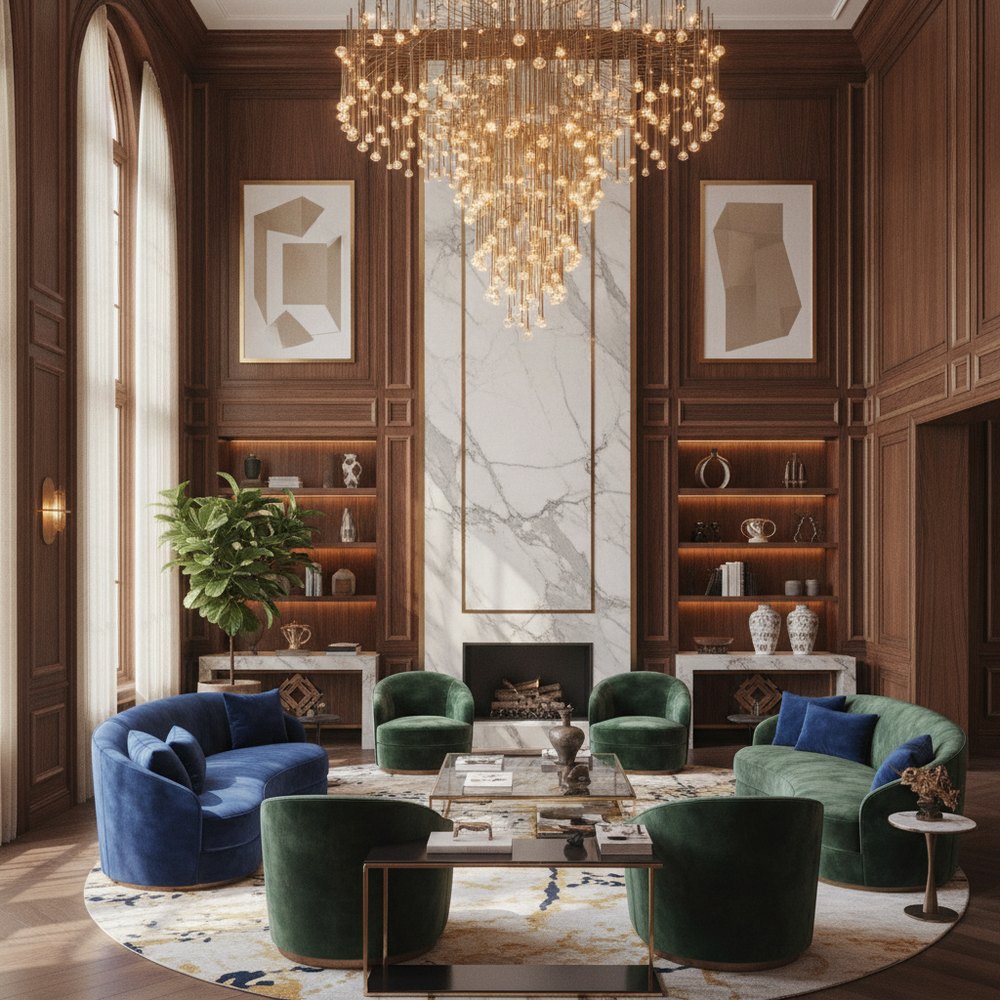
Quiet luxury interior design is about spending on things you touch and rarely on things you show off. No logos, no flash. It leans on tonal palettes, natural materials like wool, linen, oak and stone, proper craftsmanship, and a calm, edited restraint. The point is a room that feels expensive without ever announcing it.
What quiet luxury actually means (and what it doesn't)
The trend gets misread constantly. People think quiet luxury means beige. It doesn't. It means you can't tell what anything cost by looking at it, because the value is in the making, not the marketing.
A quiet luxury room reads as considered. Every surface has a reason to be there. The sofa is deep and honestly built, the lamp is solid brass rather than sprayed metal, the throw is actual cashmere and it drapes like it. Nothing shouts, but everything holds up to a close look — which is exactly the test. Cheap luxury falls apart at arm's length. The real thing gets better the closer you get.
The opposite of quiet luxury isn't cheapness. It's noise: high-gloss everything, mirrored furniture, gold that's actually gold-coloured plastic, and a room styled for a photo rather than a life.
The Instagram version vs the real thing
Here's where we get opinionated. A lot of what's tagged quiet luxury online is cosplay — a set dressed to look wealthy, not a home built to last.
The tell is usually the styling. Ten identical coffee-table books nobody reads. A bowl of decorative lemons. A bouclé chair that's already pilling because it's the £200 version of a £2,000 shape. It photographs beautifully and feels like nothing.
- Cosplay: bouclé everything, because it's the trend colour of the season. Real: one or two considered upholstery choices, chosen for how they wear.
- Cosplay: fake plaster texture in a paint effect. Real: actual limewash or Venetian plaster with depth that shifts through the day.
- Cosplay: a room with no books you've read and no objects you've lived with. Real: a few things with genuine patina and a story.
- Cosplay: matching everything from one shop in one order. Real: pieces gathered over time that happen to sit well together.
Building a tonal palette that isn't boring
Quiet luxury lives and dies on colour, and the mistake most people make is going flat. They pick one greige, paint everything in it, and wonder why the room feels like a waiting room.
The trick is tone-on-tone with real variation. Stay in a narrow band — say, oatmeal through to a soft mushroom brown — but vary the texture and the depth hard. A pale linen sofa against a slightly deeper plaster wall, an oak floor a shade warmer again, a charcoal throw for grounding. Same family, different weights. That's what stops it reading as bland.
If you want to test how a tonal scheme actually sits in your specific room before you commit to paint and fabric, it's worth mocking it up on a photo of the actual space with something like Decorly — cream reads very differently under north light than it does in a showroom.
Materials: where the money should go
This is the whole game. Quiet luxury is a materials-first philosophy, so spend where your hands and eyes land most.
- Upholstery you sit on daily — a proper wool or a heavyweight linen, feather-and-down seats that you plump rather than foam that flattens.
- Solid timber where it shows: a full oak or walnut table, not veneer over MDF. Veneer chips at the edge and gives itself away.
- Natural stone in small, high-impact doses — a marble or travertine side table, a stone lamp base. You don't need a whole kitchen of it.
- Real metal fittings: brushed brass, aged bronze, nickel. Solid, unlacquered where you can, so it ages instead of flaking.
- Honest textiles: linen curtains that puddle slightly, a hand-knotted wool rug rather than a printed one.
Lighting the quiet luxury way
Overhead lighting is the enemy of this look. A single bright ceiling light flattens everything and kills the depth you've worked for.
Layer it instead. Table lamps at eye level, a floor lamp in a reading corner, maybe discreet picture lights, all on warm bulbs around 2700K and ideally on dimmers. The rule we follow: at least three sources of light in a room, none of them the main ceiling fitting after dark. It's the single cheapest way to make a modest room feel expensive. For the full approach, our guide to the best lighting for every room goes deeper.
Quiet luxury on a normal budget
You don't need a footballer's budget for this. Quiet luxury is arguably the most achievable expensive-looking style precisely because it rewards restraint over quantity.
Buy fewer, better things. One brilliant sofa beats three mediocre ones. Paint your skirting boards and trim the same colour as the walls to lose the busy outlines — it instantly reads calmer and more architectural, and it costs nothing extra. Swap plastic switch plates and cheap door handles for solid metal; it's a small spend with an outsized effect. And leave things out. Empty space is a luxury signal in itself. If you're working to a number, our budget home makeover guide pairs well with this.
How it differs from minimalism
People conflate the two, but they're not the same. Minimalism is about reduction — stripping back to as little as possible. Quiet luxury is about quality — it'll happily keep a soft, layered, slightly full room as long as everything in it is good.
A quiet luxury room can have a stack of art books, a worn leather club chair and a heavy wool throw. A strict minimalist room wouldn't. Think of quiet luxury as minimalism's warmer, richer cousin — less about the count of objects, more about their character. If you like the calm but want more warmth, quiet luxury is usually the better fit.
Frequently asked questions
What colours work best for quiet luxury interiors?
Stay in a warm, muted band and vary the texture rather than the hue. Think oatmeal, mushroom, soft taupe, warm greys and off-whites, grounded with a deeper charcoal or espresso brown. Avoid stark brilliant white and avoid anything that reads as a trend colour — the palette should feel like it's always been there.
Is quiet luxury the same as minimalism?
No. Minimalism is about having less; quiet luxury is about having better. A quiet luxury room can be layered and full of soft textiles as long as the quality is high, whereas minimalism strips back to the essentials. They overlap on calm and restraint, but not on quantity.
How do I get the look without spending a fortune?
Spend where you touch and look most — one great sofa, real metal fittings, a proper wool rug — and save everywhere else. Paint trim and walls the same colour, edit ruthlessly, and let empty space do work. Restraint is free, and it's most of the effect.
What materials say quiet luxury?
Natural, honest ones with a bit of patina: wool, heavyweight linen, solid oak or walnut, natural stone in small doses, aged brass and bronze, cashmere. The common thread is that they age well and reveal their quality up close rather than from across the room.
Does quiet luxury date quickly?
Less than most trends, because it avoids of-the-moment shapes and colours by design. The risk is the styling — decorative lemons and matching sets will date. Buy for how a piece is made rather than whether it's fashionable and the room will hold up for years.