Styles
Transitional Interior Design: How to Get the Look
July 12, 2026 · 9 min read
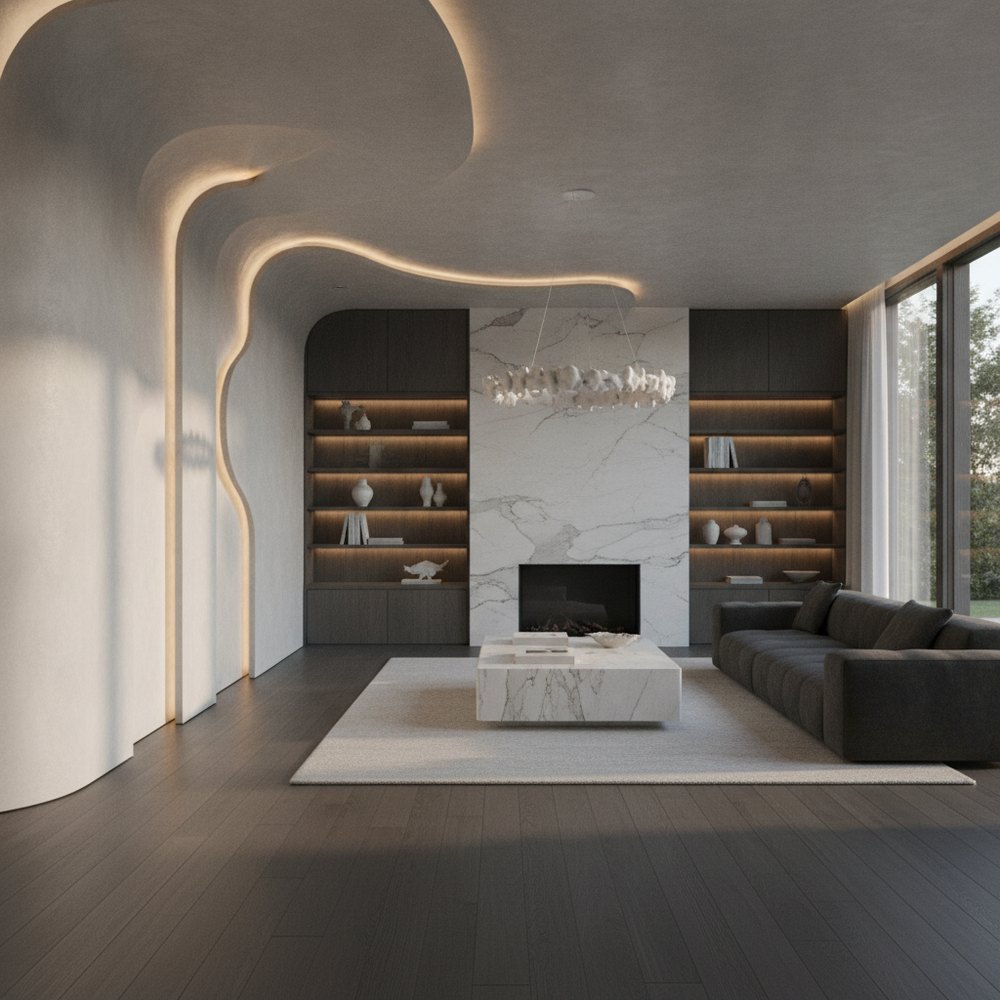
Transitional interior design is the balanced middle ground between traditional and modern: it keeps the comfort and classic silhouettes of traditional rooms but pairs them with clean lines, neutral colours and pared-back detail. The result feels warm, refined and timeless rather than either fussy or cold.
What is transitional interior design?
Transitional design is a considered blend of two worlds. It borrows the softness, symmetry and inviting comfort of traditional interiors, then edits out the ornate carving, heavy pattern and dark formality, replacing them with the clean lines, calm neutrals and breathing room of contemporary style.
The point is balance. A transitional room should feel neither dated nor stark: classic enough to be warm and enduring, modern enough to feel current and uncluttered. Because it sits in the middle, it flatters almost any home and rarely goes out of fashion, which is why it is one of the most popular styles for people who want longevity over trend.
Where does transitional style come from?
Transitional design emerged as a reaction to two extremes. Traditional interiors, with their formal detailing and layered pattern, could feel heavy and fussy; strict modern and minimalist rooms could feel cold and unwelcoming. Designers began marrying the best of each to give clients rooms that were both comfortable and current.
It is less a historical movement than a design philosophy about balance, which is why it has no single origin date. What defines it is restraint applied to tradition: keeping the classic bones of a room while stripping the ornament back until only the elegant essentials remain.
What colours define a transitional palette?
Transitional schemes live in a soft, neutral world. The palette is deliberately quiet so that shape, texture and comfort can carry the room, with colour used as gentle contrast rather than statement.
- Warm whites and creams the base layer on walls and larger pieces for a calm, light shell.
- Greige, taupe and mushroom versatile mid-tones that bridge warm and cool without committing to either.
- Soft greys cool but never clinical, used for depth on upholstery or joinery.
- Muted deeper accents navy, charcoal, olive or a soft black to anchor the scheme and add definition.
- Tonal layering several shades of the same neutral family to build richness without introducing bold colour.
Which materials and textures make the look?
Because the palette is restrained, texture does the emotional work in a transitional room. Layering natural, tactile and slightly polished materials keeps a neutral scheme from ever reading as flat or bland.
- Natural wood mid-toned oak, walnut and ash on floors, tables and shelving for warmth.
- Soft, matte textiles linen, cotton, wool and boucle in upholstery, cushions and throws.
- A touch of polish brushed brass, nickel or matte black in lighting and hardware for quiet glamour.
- Stone and glass honed marble, limestone or clear glass for a refined, contemporary edge.
- Tactile layers a chunky wool rug, a nubbly throw and smooth ceramics played against one another.
What furniture works in a transitional room?
Transitional furniture is where the blend happens most visibly. The trick is to choose pieces that carry a classic, comfortable shape but in a simplified, cleaner form, or to pair one traditional piece with one modern one so each softens the other.
Think a rolled-arm sofa in a plain linen rather than a floral, a Shaker or clean-lined cabinet instead of a carved one, and upholstered dining chairs with slim modern legs. Silhouettes stay curved and inviting; ornament stays minimal. For arranging it all so the room breathes, our furniture placement guide and living room design ideas go deeper.
How do you mix classic and contemporary without it feeling mismatched?
The fear with transitional design is that combining old and new will look like an accident rather than a decision. The way to avoid that is to give the two styles something in common so the eye reads them as one scheme.
- Unify with colour keep everything in one neutral family so a classic sofa and a modern lamp clearly belong together.
- Repeat a shape or line echo a curve or a straight edge across old and new pieces to create rhythm.
- Aim for roughly fifty-fifty balance traditional and modern so neither dominates and the room reads as intentional.
- Let materials bridge the gap shared wood tones or metals tie disparate pieces into a family.
- Edit ruthlessly empty space and restraint are what make the mix feel deliberate rather than cluttered.
What are the most common transitional design mistakes?
Because transitional style is about balance, most mistakes come from tipping too far one way, or from mistaking beige for a scheme. Avoiding a few traps keeps the look refined rather than either dull or muddled.
- Going too neutral without texture and tonal variation, a beige room reads as flat; layer materials to add life.
- Overloading pattern transitional leans on solids and texture; save pattern for a single considered moment.
- Ignoring balance too much tradition feels dated, too much modern feels cold; keep checking the ratio.
- Skipping contrast a few darker accents give a pale scheme structure and stop it drifting.
- Cluttering surfaces curate accessories tightly; negative space is part of the contemporary half of the equation.
How can you preview a transitional redesign before you commit?
Transitional design succeeds or fails on balance, the exact ratio of classic to modern, the right neutral, the amount of contrast, so seeing it in your own room before buying makes a real difference. This is where AI design is genuinely useful.
With Decorly you upload a photo of your living room or bedroom and generate a transitional version of that exact space in seconds, keeping your real windows, walls and proportions. You can test a warmer greige against a cooler grey, or judge how a classic sofa reads against clean-lined pieces, before spending anything. Browse more looks across our styles library.
Frequently asked questions
What is the difference between transitional and modern design?
Modern design prioritises clean lines, minimal ornament and a cooler, sparer feel. Transitional keeps some of that clarity but reintroduces the warmth, comfort and classic silhouettes of traditional style, so it feels softer and more inviting than pure modern.
Is transitional style the same as contemporary?
No. Contemporary follows current trends and can shift over time, while transitional is a deliberate, timeless blend of traditional and modern. Transitional is more about balance and longevity than following whatever is fashionable now.
What colours are best for transitional interiors?
Soft neutrals: warm whites, creams, greige, taupe and gentle greys, layered tonally for depth. Muted deeper accents like navy, charcoal or olive add definition without breaking the calm, balanced feel.
Does transitional design work in a small home?
Yes. The light neutral palette and clean-lined furniture keep small spaces feeling open, while classic comfortable shapes stop them feeling stark. It is one of the most forgiving styles for compact rooms and apartments.
Can I visualise transitional style in my own room?
Yes. Decorly redesigns a photo of your real space in the transitional style in seconds, preserving your layout, so you can test palettes and the classic-to-modern balance before you buy anything.