Styles
Minimalist Home Design: Less, but Better
July 11, 2026 · 9 min read
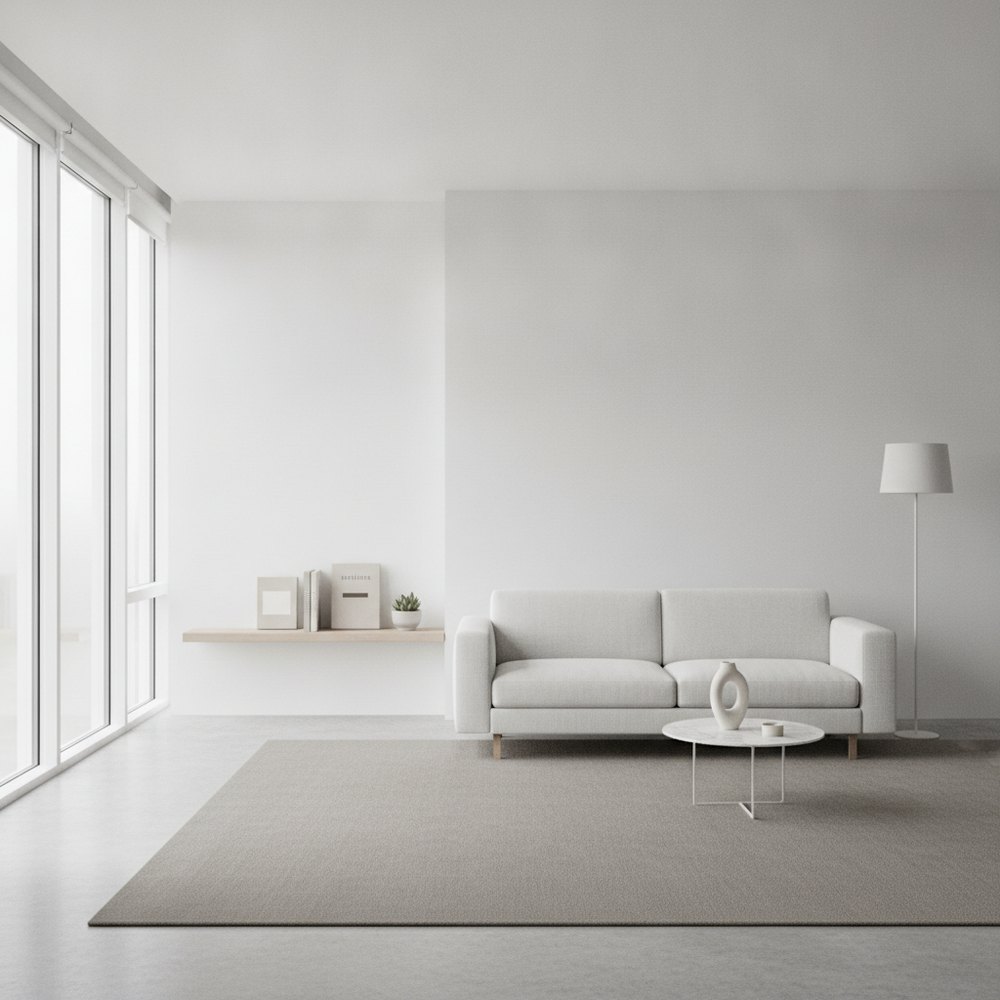
Minimalist home design is a less-but-better approach that strips a home to what earns its place. It relies on a tight neutral palette, hidden storage, generous negative space and a few well-made pieces — producing calm, uncluttered rooms where every object is intentional and nothing competes for your attention.
What is minimalist home design?
Minimalist design is not about owning as little as possible or living in an empty white box. It is about intention: keeping only what is useful or genuinely loved, and giving those things room to be seen. A minimalist room feels calm because the eye has somewhere to rest — clutter is removed, surfaces are clear, and the few pieces that remain are chosen with care.
Done well, minimalism is warm and human, not cold or clinical. It shares DNA with Scandinavian and Japandi design, both of which soften a minimal base with natural texture and warmth. The difference is one of degree: minimalism pushes editing and restraint furthest, letting negative space and proportion carry the room.
Less, but better: where minimalism comes from
The modern idea traces back to early-twentieth-century movements that prized function and honesty over ornament — the notion that a well-designed object needs no decoration to justify it. The designer Dieter Rams distilled it into a famous principle: weniger, aber besser — less, but better. Fewer things, made and chosen well.
That philosophy is what stops minimalism from feeling like deprivation. You are not being asked to give things up for the sake of it; you are being asked to spend your attention (and budget) on quality rather than quantity. See how it sits beside other looks in our guide to interior design styles, or read about the most common design mistakes it helps you avoid.
The minimalist colour palette
A minimalist palette is tight and tonal — usually a single family of neutrals with one quiet accent. Limiting colour is what creates the sense of calm; contrast is used deliberately and sparingly rather than scattered around the room.
- Base neutrals — white, off-white, greige and warm grey on walls and large surfaces.
- Natural tones — pale or mid wood, stone, sand and taupe for warmth.
- One grounding dark — charcoal, black or deep brown as a single anchor.
- A restrained accent — one muted colour (sage, ochre, terracotta) used consistently, if at all.
- Texture as interest — matte plaster, linen, wool and wood do the work colour usually does.
Why negative space matters
Negative space — the deliberate emptiness around and between objects — is minimalism's most powerful and most misunderstood tool. It is not wasted space; it is what makes the pieces you keep feel considered and lets a room breathe. A single sculptural chair against a bare wall reads as intentional and elegant; the same chair crowded by clutter disappears.
The practical rule is to leave clear runs of wall, floor and surface. Resist the instinct to fill a gap. When you plan a room, decide what the one or two focal points are and then protect the emptiness around them. For layout help, see our furniture placement guide.
Storage: the secret engine of minimalism
A minimalist room only looks effortless because the clutter has somewhere to go. Generous, concealed storage is the hidden engine behind every calm surface — without it, minimalism collapses within a week of real life. Design storage in before you style anything.
- Full-height, handle-less joinery — flush cabinetry that reads as a quiet wall, not furniture.
- Concealed everything — push-to-open doors, integrated appliances and hidden cabling.
- A place for every daily object — keys, chargers, remotes and post, out of sight.
- Multifunction pieces — ottomans, benches and beds with storage inside.
- One-in, one-out discipline — the habit that keeps surfaces clear long term.
Avoiding cold minimalism: materials and warmth
The most common failure of minimalist rooms is that they feel like a dentist's waiting room — hard, white and unwelcoming. The fix is texture. When you remove colour and clutter, tactile natural materials become the source of warmth and richness, so choose them carefully and layer them.
Bring in oiled wood, wool, boucle, linen, matte plaster, stone and leather. A minimalist room can be deeply cosy — it simply achieves warmth through material and light rather than through stuff. This is the same lesson that makes Japandi bedrooms and calm home offices feel inviting rather than stark.
Lighting and the single focal point
Minimalist lighting is clean and layered, with fixtures that either disappear or act as deliberate sculpture. Recessed or hidden lighting keeps the ceiling calm; a single striking pendant or floor lamp can double as the room's one piece of art. Warm bulbs and dimmers keep the mood soft rather than harsh.
Give each room one clear focal point — a fireplace, an artwork, a view, a beautiful chair — and let everything else recede. That hierarchy is what makes a pared-back space feel designed rather than empty. Our best lighting for every room guide covers how to layer it properly.
How to get the minimalist look
Work through these steps to bring calm minimalism into any room. Preview each change on a photo of your own space with Decorly so you can judge the emptiness and proportion before committing.
- 1Declutter first — remove everything non-essential before you buy or restyle anything.
- 2Set a tight neutral palette — one family of tones plus, at most, a single quiet accent.
- 3Design in hidden storage — flush, handle-less joinery so surfaces can stay clear.
- 4Choose fewer, better pieces — one great sofa, one great table, quality over quantity.
- 5Protect the negative space — leave clear runs of wall, floor and surface around each piece.
- 6Layer texture for warmth — wood, wool, linen, plaster and stone in place of colour.
- 7Pick one focal point per room — and let warm, layered lighting quietly frame it.
Common minimalist design mistakes
- Confusing minimal with empty — a bare room without warmth or a focal point feels unfinished, not designed.
- Skipping storage — with nowhere to hide daily clutter, the look never survives real life.
- All hard, cold surfaces — no soft texture makes a room feel clinical; layer wood and textiles.
- Buying cheap to 'keep it simple' — with so few pieces, each one is on show and quality matters more, not less.
- Too many small objects — a scatter of little décor items reads as clutter; consolidate to a few larger gestures.
- Harsh, single-source lighting — one bright overhead flattens the space; layer warm, dimmable light instead.
Frequently asked questions
What does minimalist home design actually mean?
It means keeping only what is useful or truly loved and giving those things space to be seen. It is defined by a tight neutral palette, hidden storage, generous negative space and a few well-made pieces — not by owning as little as possible.
How do I keep a minimalist home from feeling cold?
Layer natural texture. When you remove colour and clutter, materials become the warmth: oiled wood, wool, boucle, linen, plaster and leather, combined with warm, dimmable lighting, make a minimalist room cosy rather than clinical.
What is the best colour palette for minimalist design?
A tight, tonal palette — one family of neutrals such as white, greige and warm grey, plus natural wood and stone, anchored by a single dark tone and, optionally, one muted accent used consistently.
Is minimalism good for small homes?
Yes. Clear surfaces, a limited palette and disciplined storage make small spaces feel larger, calmer and more organised, which is why minimalism works so well in apartments.
How can I test a minimalist look before decorating?
Upload a photo of your room to Decorly, choose the minimalist style, and get a photorealistic redesign in seconds that keeps your real layout — so you can see the pared-back result before removing or buying anything.