Guides
How to Choose an Interior Design Style That Truly Fits You
July 12, 2026 · 10 min read
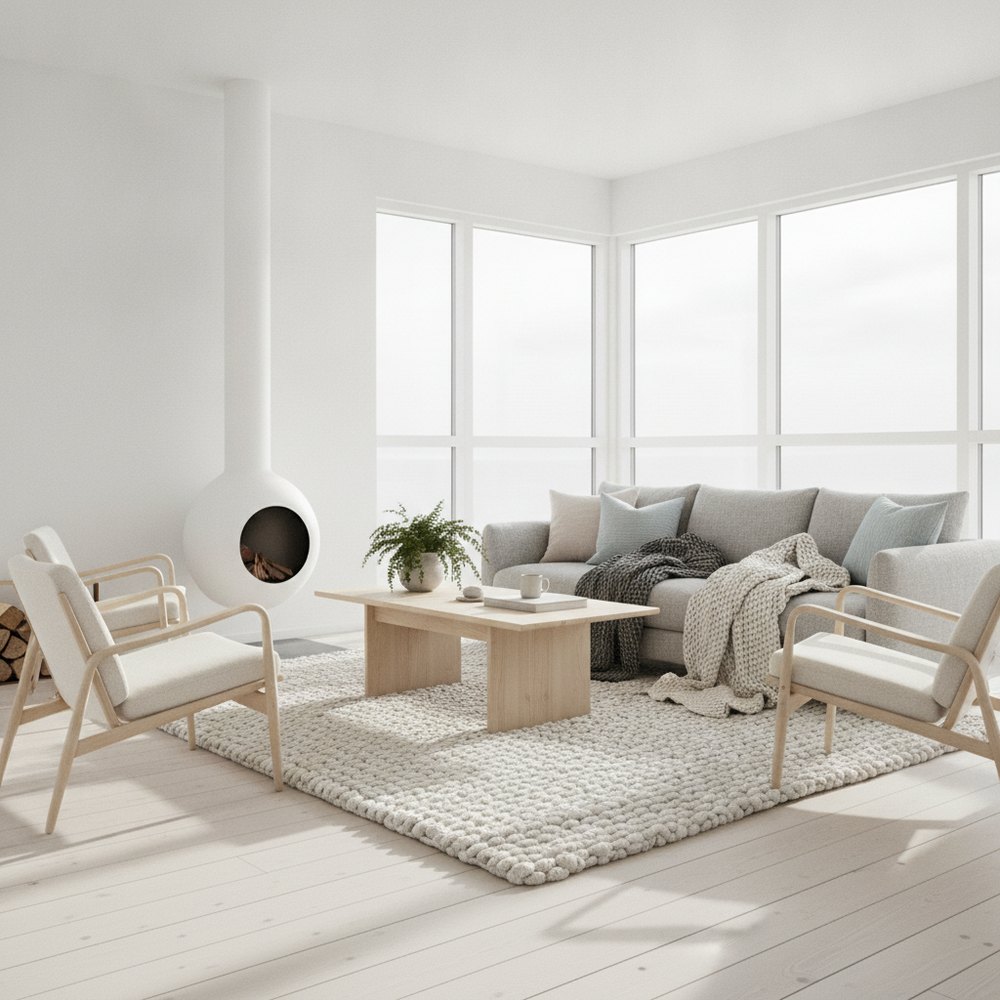
To choose an interior design style, start with how you want a room to feel and how you actually live, then match that to a style's palette, materials and mood. Learn a handful of popular styles, notice what recurs in images you love, and test your favourite on your own room with AI before spending anything.
What questions should you ask before choosing?
Before looking at any style names, get clear on feeling and function. The right style serves how you live, not just how a photo looks, so a few honest questions save you from an interior that photographs well but frustrates you daily.
- How do I want to feel here? Calm and airy, warm and cosy, or bold and energising?
- How is the room used? Entertaining, relaxing, working or a mix of all three?
- What do I already own? Pieces and colours you will keep anchor your choices.
- How much upkeep suits me? Some looks demand tidiness or delicate materials.
- What is my light like? Natural light hugely affects how palettes read.
How do you discover what you are drawn to?
Your taste is already visible in the images you save; you just have to read the pattern. Collect twenty or thirty interiors you love from anywhere, then look for what recurs rather than judging each one alone.
Notice the constants: are the palettes pale or moody, the materials natural or sleek, the rooms sparse or layered? These repeating threads reveal your instinctive direction more honestly than any quiz, because they come from genuine reactions rather than labels.
A quick tour of popular styles
Knowing a few well-defined styles gives you vocabulary to describe what you want. Here is a concise breakdown of enduring favourites and the feeling each creates.
- Scandinavian: pale woods, soft neutrals and light, calm and functional; explore Scandinavian.
- Minimalist: restraint, clean lines and negative space for serenity; see minimalist.
- Japandi: the warmth of Japanese and Scandinavian design combined, natural and grounded; see Japandi.
- Modern farmhouse: cosy, textured and welcoming with rustic touches.
- Industrial: raw materials, exposed elements and an urban, characterful edge.
- Mid-century modern: clean silhouettes, warm woods and confident retro colour.
- Coastal: breezy, light and relaxed with natural, airy tones.
How do you match a style to your actual life?
Cross-check your favourite look against your daily reality before committing. A pristine minimalist room can feel wrong in a busy family home, while a heavily layered maximalist space may overwhelm someone who craves calm.
Match materials to your habits too. Pale upholstery and delicate finishes ask for careful living; robust textures and forgiving colours suit pets, children and everyday use. The best style is one you can live in comfortably, not just admire.
Can you mix styles without it clashing?
Yes, and most successful rooms blend two or three influences rather than following one style rigidly. The trick is to let one style lead and use others as accents, so the space feels curated rather than confused.
Anchor the mix with a consistent palette and a few repeated materials, which give the eye continuity. A largely Scandinavian room with mid-century furniture and one industrial light, for example, reads as intentional because the colours and woods tie it together.
How do you test a style before committing?
Testing on your own room is the step that prevents expensive regret. Rather than imagining a style in your space, you can now see it, which turns a guess into a decision.
Photograph your room and use an AI tool like Decorly to restyle it in each look you are considering, keeping your real windows, doors and proportions intact. Comparing your actual living room as Scandinavian, then Japandi, then industrial makes the right choice obvious, and only then do you spend on paint or furniture.
How do you commit with confidence?
Once a direction feels right in your own space, lock it in with a simple scheme so every future purchase reinforces it. Choose a core palette of a few colours, note the key materials and pick a couple of signature pieces to build around.
Then buy gradually and deliberately. A clear style brief means you can pass on things that do not fit and invest in things that do, so the room grows more coherent over time rather than becoming a set of unrelated impulse buys.
Frequently asked questions
How do I find my interior design style?
Start with how you want a room to feel and how you live, then gather twenty or so interiors you love and look for recurring palettes, materials and moods. Those repeating threads reveal your instinctive direction more reliably than any label or quiz.
Can I mix more than one interior design style?
Yes. Most well-designed rooms blend two or three influences. Let one style lead and use the others as accents, then unify everything with a consistent palette and a few repeated materials so the result feels curated rather than chaotic.
How do I test a style before spending money?
Photograph your room and use an AI tool like Decorly to restyle it in each look you are weighing up, keeping your real layout intact. Seeing your actual space in each style makes the decision clear before you buy paint or furniture.
What if I like a style that suits my life poorly?
Adapt it rather than abandon it. Keep the palette and mood you love but choose more robust, forgiving materials, so a delicate look becomes liveable. The best style is one you can enjoy day to day, not only admire in photos.
How many styles should I actually learn?
A handful is plenty. Knowing a few well-defined styles such as Scandinavian, minimalist, Japandi, industrial and mid-century modern gives you the vocabulary to describe what you want and to recognise it when you see it.