Styles
Rustic Interior Design: Raw Wood, Stone and Warmth Without the Cliché
July 25, 2026 · 8 min read
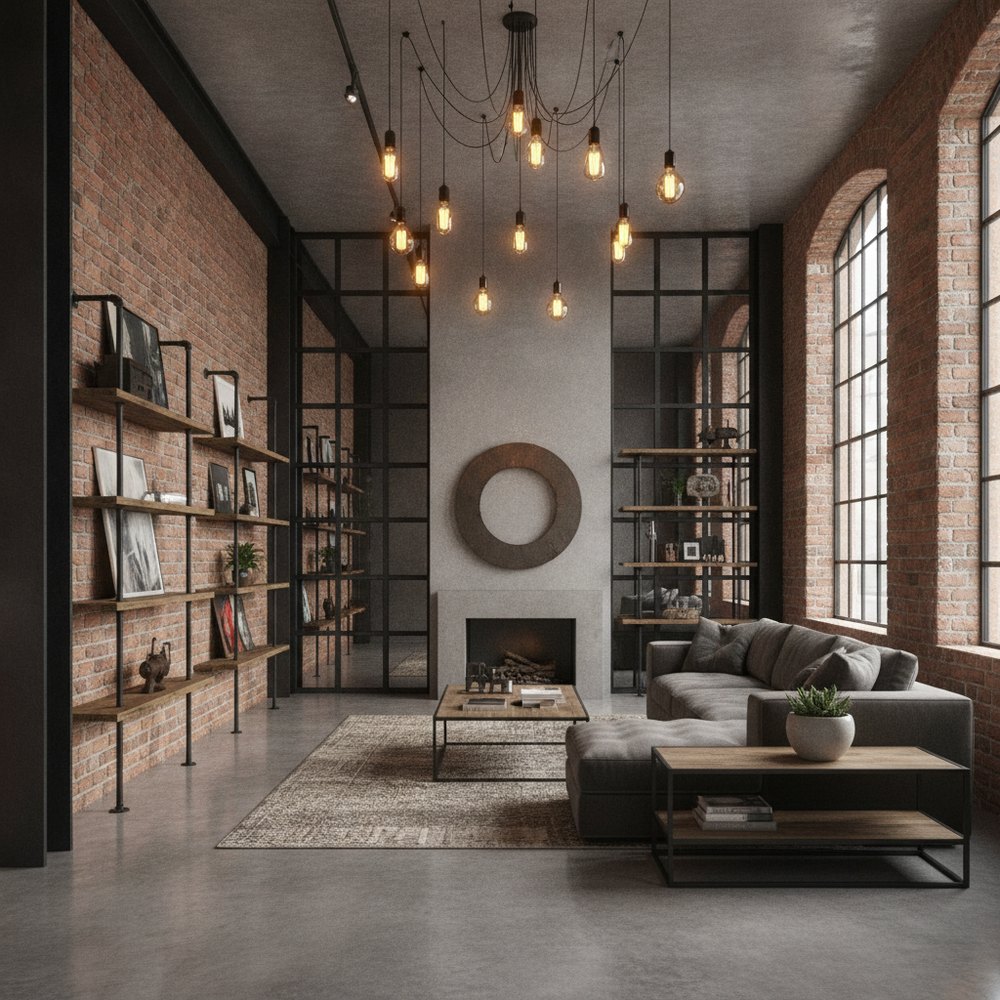
Rustic interior design brings the raw and the natural indoors — exposed timber, stone, aged metal and honest, hard-wearing materials with roots in farmhouse and country living. At its best it's warm, grounded and characterful. The trap is the cliché version: fake distressing, live-laugh-love signs and everything grey. Modern rustic keeps the warmth and drops the kitsch.
What rustic style is really about
Rustic design grew out of rural and farmhouse homes, where furniture was built to last and materials were whatever was local and honest — timber, stone, iron, wool, leather. That's the DNA: nothing precious, nothing fussy, everything with a job to do.
The look leans on natural texture and imperfection. Rough-sawn or reclaimed wood with knots and saw marks, exposed beams, stone or brick walls, wrought iron, worn leather, chunky knits and a warm, earthy palette. It should feel solid and welcoming — the kind of room where you'd happily put your feet up.
It shares roots with modern farmhouse and overlaps with industrial where raw materials meet, but rustic is warmer and more organic than either.
Modern rustic vs the tired cliché
Here's the honest bit. Rustic has been done to death in its worst form, and we'd steer you well clear of it. The cliché is all costume and no substance.
Modern rustic keeps the genuine materials and the warmth but pairs them with clean lines, a lighter touch and a bit of contemporary restraint. It's the difference between a real oak beam and a hollow polystyrene one glued to the ceiling.
- Cliché: mass-produced 'distressed' furniture with fake sanded edges. Modern rustic: genuinely old or honestly made solid wood that's earned its wear.
- Cliché: novelty signs, 'Gather' bunting and mason jars everywhere. Modern rustic: a few real, useful objects and blank space to breathe.
- Cliché: everything grey, from the walls to the fake-wood floor. Modern rustic: warm woods and earthy tones with grey used sparingly, if at all.
- Cliché: a whole room of matching 'rustic collection' furniture. Modern rustic: one or two strong timber or stone pieces against calmer, simpler surroundings.
- Cliché: fake beams and stick-on brick panels. Modern rustic: real materials, even if that means fewer of them.
Getting the materials right
Rustic is a materials style before anything else, so this is where your budget and attention should go. The goal is honest, natural, textural, and ideally with some genuine age.
- Reclaimed or solid timber — a live-edge coffee table, a chunky dining table, open shelving in real wood rather than veneer.
- Stone and brick — an exposed chimney breast, a stone fireplace, a slate or flagstone floor in a hard-wearing spot.
- Aged and blackened metal — wrought iron brackets, a cast-iron log burner, dark metal light fittings.
- Leather that's meant to wear — a tan or dark brown hide sofa or armchair that only looks better with age.
- Warm, chunky textiles — wool throws, sheepskins, a jute rug, heavy linen curtains.
The rustic palette and how to keep it warm
The colour story is drawn straight from the countryside: warm browns and timber tones, stone greys, cream, ochre, terracotta, deep forest and olive greens, and the black of iron.
The mistake most people make is going cold and grey, which drains all the warmth out and leaves you with a builder's-merchant sort of neutrality. Keep the base warm — creams and putty rather than cool greys — and let the wood tones lead. A deep green or a dark earthy shade on one wall gives the room depth and stops it feeling like a log cabin theme park. If you're weighing up warm versus cool neutrals for the whole scheme, our guide to wall colour psychology is worth a read.
Rustic in a modern or urban home
You don't need a barn conversion. Rustic works beautifully as an accent in a modern flat or a new-build box, and honestly that's often where it looks freshest — the contrast between raw natural texture and clean modern surroundings does a lot of work.
Pick one or two hero rustic pieces rather than committing the whole room: a live-edge timber shelf, a reclaimed wood dining table, a stone or leather statement. Set them against plain walls and simple modern furniture so the natural material stands out instead of drowning in theme. A chunky wooden coffee table on a pale floor, a couple of sheepskins, warm lighting — that's enough to bring the warmth without turning your flat into a pastiche cottage. It's worth mocking up on a photo of your actual room first with Decorly, because a heavy timber piece changes a small room's whole balance.
Lighting and warmth: the finishing touch
Rustic rooms need warm, layered, low light to work. Cool bright ceiling lighting will kill the whole mood and make your lovely timber look flat and orange.
Use warm bulbs around 2700K, put lights on dimmers, and layer them — a wrought-iron floor lamp, table lamps, wall lights, candles if you're so inclined. A real or convincing wood burner is the ultimate rustic focal point if the room allows it, both for the heat and the light. The aim is a soft, golden glow after dark that makes all those natural textures come alive. Our best lighting for every room guide covers the layering approach in full.
Frequently asked questions
What is modern rustic interior design?
Modern rustic keeps rustic's honest natural materials — real wood, stone, leather, iron — and its warmth, but pairs them with cleaner lines, a lighter palette and contemporary restraint. It drops the clutter and the fake distressing, so you get the cosy, grounded feel without the country-kitsch clichés.
How do I avoid rustic looking like a cliché?
Use real materials rather than fake beams and stick-on brick, keep the palette warm rather than all-grey, ditch the novelty signs and mason jars, and let one or two strong timber or stone pieces lead against calmer surroundings. Genuine age and restraint are what separate rustic from a theme park.
What colours work in a rustic room?
Warm, earthy, countryside tones: timber browns, cream and putty, stone grey used sparingly, ochre, terracotta and deep forest or olive green, plus the black of iron. Keep the base warm and let wood lead — cold grey drains the warmth that makes rustic work.
Can rustic style work in a modern apartment?
Yes, and it often looks freshest there. Use one or two hero rustic pieces — a live-edge table, a reclaimed wood shelf, a leather chair — against plain walls and simple modern furniture. The contrast between raw natural texture and clean surroundings does the heavy lifting without turning the flat into a pastiche cottage.
What's the difference between rustic and farmhouse style?
They're close relatives. Farmhouse tends to be lighter, more painted and a touch more polished, with shiplap and cream tones, while rustic is rawer and more textural, leaning on exposed timber, stone and aged metal. Rustic feels more like the working barn; farmhouse more like the tidy country kitchen.