Styles
Wabi-Sabi Interior Design: Calm, Imperfect and Not Just Minimalism
July 25, 2026 · 9 min read
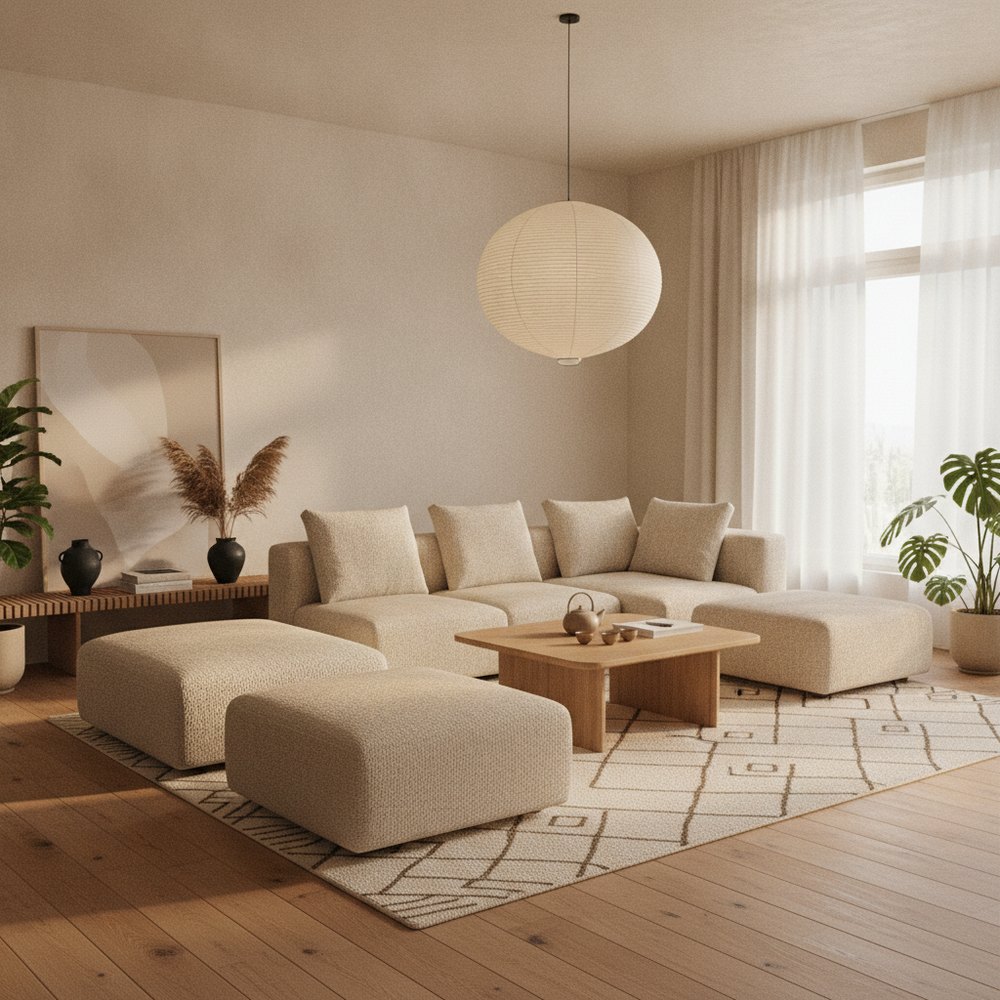
Wabi-sabi interior design is a Japanese philosophy of finding beauty in imperfection, age and the handmade. It favours natural materials, visible patina, uneven handcrafted texture and a deep sense of calm. Crucially it's not the same as minimalism — minimalism removes to reach perfection, while wabi-sabi keeps the flawed, weathered and honest because the flaws are the point.
What wabi-sabi actually is
Wabi-sabi comes from a Japanese worldview rooted in the acceptance of transience and imperfection. In a home, it translates to rooms that feel grounded, quiet and honest — nothing shiny, nothing pretending to be something it isn't.
You'll see rough lime-plastered walls with visible trowel marks, unfinished or oiled timber that shows its grain and knots, handmade ceramics with slightly wonky rims, linen that creases and is meant to, and objects that carry the marks of use. The Japanese art of kintsugi — mending broken pottery with gold so the repair is celebrated rather than hidden — is wabi-sabi in miniature. The crack becomes the most beautiful part.
It's a close relative of japandi, which fuses this sensibility with Scandinavian function, but wabi-sabi on its own is earthier and less designed.
Wabi-sabi vs minimalism: the key difference
This is the distinction people miss, so let's be clear about it. Both styles are calm, uncluttered and light on colour. But their goals are opposite.
Minimalism chases a kind of perfection — clean lines, flawless surfaces, everything hidden and resolved. A minimalist wants the crack filled and painted over. A wabi-sabi room wants the crack left visible, because it tells the truth about time and use.
- Minimalism prizes the new and the flawless; wabi-sabi prizes the worn and the weathered.
- Minimalism hides the handmade in favour of machine precision; wabi-sabi celebrates the wobble of the human hand.
- Minimalist surfaces are smooth and uniform; wabi-sabi surfaces are rough, matte and full of variation.
- Minimalism can feel cool and gallery-like; wabi-sabi feels warm, soft and lived-with.
The materials and textures that matter
Wabi-sabi is a texture-led style, and it's almost entirely about natural, tactile, matte materials. Gloss and plastic have no place here.
- Lime plaster or clay paint with real depth and a chalky, uneven finish — a limewash wall is the fastest way into the look.
- Raw, oiled or lightly finished timber that keeps its grain, knots and colour variation.
- Handmade stoneware and earthenware — mugs, bowls, vases with visible throwing marks and imperfect glazes.
- Undyed or naturally dyed linen, hemp and rough cotton that wrinkle and soften over time.
- Natural stone, aged metal and materials that develop a patina as they age.
The palette: earthy, muted, grounded
Colour in wabi-sabi comes from nature and stays muted. Think the colours of soil, clay, stone, bark and unbleached fabric — warm off-whites, oatmeal, taupe, soft browns, muddy greens, clay pink and charcoal.
The mistake is to go stark white and cold, which pushes you back towards minimalism. Wabi-sabi wants warmth in the neutrals. A limewashed wall in a soft clay tone has movement and shadow in it, which flat brilliant white never does. Keep contrast low and let the textures, not the colours, carry the interest. If you want to see how an earthy limewash tone actually behaves on your own walls before committing, testing it on a photo of the room with Decorly saves a lot of tester pots.
Getting the calm without it feeling bare
A common worry is that wabi-sabi will feel empty or unfinished. The difference between calm and bare is texture and intention.
A bare room has smooth blank walls and nothing to rest the eye on. A wabi-sabi room has a rough plaster wall that catches the light, a single hand-thrown vase with one stem of dried grass, a chunky linen throw with real weight to it. There's not much in the room, but everything has texture and presence. Negative space is deliberate here — you leave room around each object so it can breathe. It's the opposite of styling every surface. One beautiful, imperfect thing, given space, does more than a shelf full of matching decor.
Living with wabi-sabi day to day
This is where wabi-sabi is genuinely freeing, and why we rate it. It asks you to stop chasing perfection in your home, which is a relief.
The scuff on the timber floor, the fade on the linen sofa, the chip on the favourite bowl — none of it needs fixing or hiding. You choose things that will age well and then you let them age. It also nudges you towards buying fewer, better, handmade things from real makers rather than mass-produced perfection, which tends to be kinder to both your home and the planet. For a broader take on this quiet, nature-led way of decorating, our japandi style guide and biophilic design ideas sit right alongside it.
Frequently asked questions
What's the difference between wabi-sabi and minimalism?
Minimalism removes and refines towards perfection — clean, flawless, hidden. Wabi-sabi keeps the imperfect, worn and handmade because the flaws are the beauty. Both are calm and uncluttered, but a minimalist fills the crack while a wabi-sabi room leaves it, or even gilds it in the spirit of kintsugi.
What materials are used in wabi-sabi interiors?
Natural, matte, tactile ones: lime plaster and clay paint, raw or oiled timber with visible grain, handmade stoneware ceramics, undyed linen and hemp, natural stone and aged metal. The common thread is that they're honest, imperfect and improve with age rather than degrade.
What colours suit a wabi-sabi room?
Earthy, muted, nature-derived tones — warm off-white, oatmeal, taupe, soft brown, muddy green, clay pink and charcoal. Avoid stark cold white, which tips into minimalism. Keep contrast low and let texture, not bold colour, carry the room.
Does wabi-sabi mean my home has to look messy or unfinished?
No. Wabi-sabi is calm and intentional, not cluttered. The imperfection is in the finishes and materials — a rough wall, a wonky bowl — not in mess. You still edit carefully and leave generous space around each object; it just embraces age and handmade texture rather than machine perfection.
How is wabi-sabi different from japandi?
Japandi blends this Japanese sensibility with Scandinavian function and clean lines, so it's a bit more designed and practical. Pure wabi-sabi is earthier, rougher and less concerned with sleekness — more raw plaster and handmade ceramics, less streamlined furniture.