Rooms
Nursery Design Ideas for a Calm, Safe Space
July 12, 2026 · 9 min read
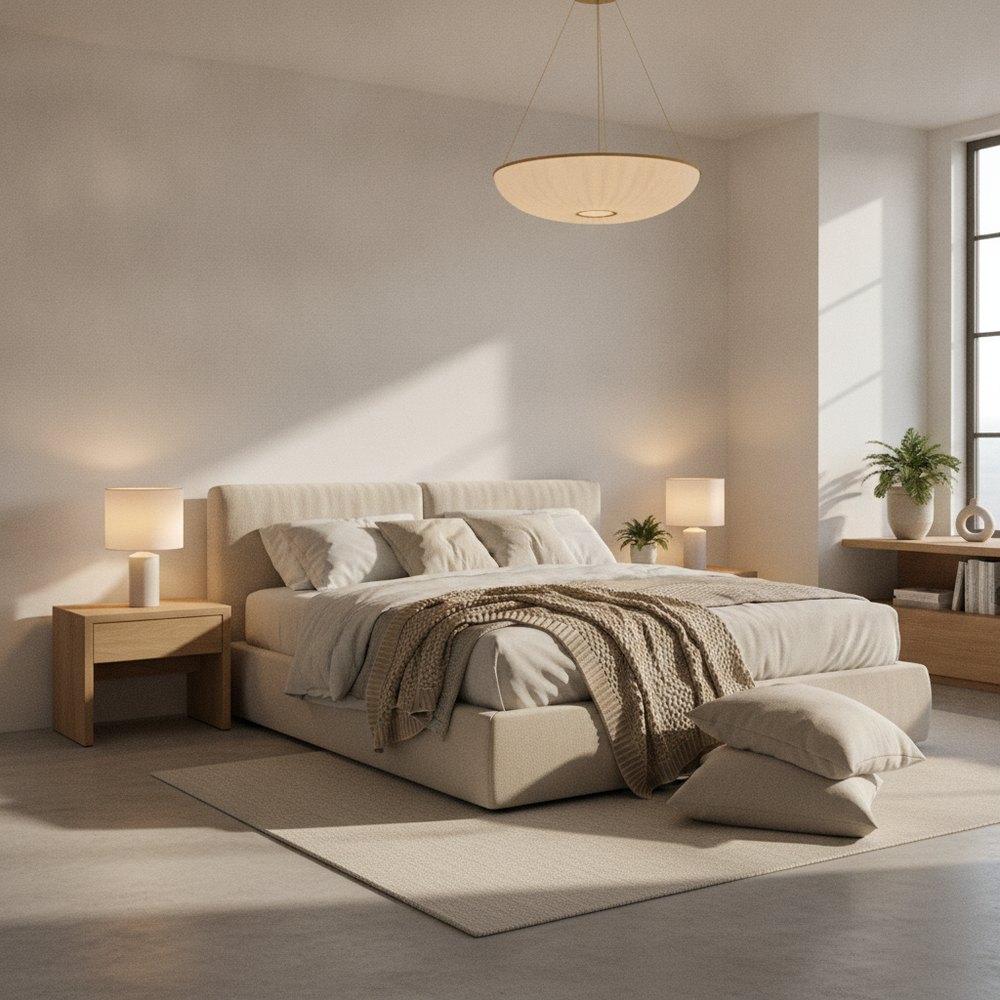
A good nursery is calm, safe and adaptable: arrange the cot, feeding chair and changing area into an efficient triangle, keep the palette soft and soothing, add gentle dimmable lighting for night feeds, and choose furniture that grows with your child. Prioritise safety, blackout for sleep, and storage that keeps the room serene.
How should you lay out a nursery?
A nursery works best when its three key zones, sleeping, feeding and changing, are arranged for easy movement, because you will navigate them countless times a day and night. Think of it as a small, efficient triangle rather than furniture pushed against the walls at random.
Position the cot away from windows, radiators, blind cords and shelves for safety, ideally on a quiet interior wall. Keep the feeding chair and changing station close together and near storage, so nappies, clothes and muslins are always within arm's reach. A clear path between them, unobstructed in the dark, matters more than any decorative flourish.
What are the essential nursery safety points?
Safety is the non-negotiable foundation of any nursery, and it shapes many design decisions. Build the room around these essentials before thinking about looks.
- Anchor all furniture secure wardrobes, drawers and shelves to the wall to prevent tip-overs.
- Keep the cot clear position it away from windows, cords, radiators and anything that could fall or be grabbed.
- Go cordless on windows choose cordless blinds or tie cords well out of reach to remove strangulation risk.
- Choose safe finishes low-VOC paints and certified, non-toxic furniture and textiles.
- Fit blackout and monitoring blackout blinds for daytime naps and a well-placed baby monitor.
- Plan for crawling cover sockets, secure rugs and remove small hazards before your baby is mobile.
What colours create a calm nursery?
The nursery palette shapes the room's whole mood, and soft, muted colours create the soothing, restful atmosphere that helps a baby settle. Overstimulating brights and high-contrast patterns are better used sparingly than across whole walls.
- Soft neutrals warm whites, oatmeal, greige and gentle taupe make a calm, timeless base.
- Muted pastels dusty pink, sage, soft blue and pale terracotta add colour without overstimulating.
- Warm earthy tones clay, sand and soft ochre feel cosy, grounding and gender-neutral.
- Gentle contrast a single soft accent wall or an arch of colour adds interest calmly.
- Restful greens nature-inspired greens are soothing and pair beautifully with natural wood.
What lighting does a nursery need?
Nursery lighting has a dual job: bright enough for daytime play and dressing, yet soft enough for calm night feeds without fully waking baby or parent. Layering is the answer, and dimmability is the single most useful feature.
Use a dimmable main light for flexible general brightness, a very soft, low warm-white lamp or plug-in night light for feeds and nappy changes in the small hours, and blackout blinds to keep the room dark for naps regardless of the time of day. Avoid bright, cool-white or blue-toned light near sleep times, as it is the most disruptive to settling. Our best lighting for every room guide explains layering further.
How do you keep a nursery organised?
Babies come with a surprising amount of kit, and good storage is what keeps a nursery feeling calm rather than chaotic. Plan storage that puts frequent items within reach and hides the visual clutter that makes a small room feel busy.
- Closed storage drawers and cupboards hide the bulk of clothes, nappies and equipment for a serene look.
- Changing-station caddy keep nappies, wipes and creams in a tidy tray or caddy within arm's reach.
- Baskets and bins soft baskets corral toys and muslins and are easy to grab one-handed.
- Vertical shelving wall shelves (safely above the cot line) store books and keepsakes off the floor.
- Under-cot or under-furniture storage use the space beneath the cot and changing unit for spares.
How do you design a nursery that grows with your baby?
A newborn nursery is used for only a few years, so the smartest designs adapt as your child grows rather than needing a full redo. Choosing convertible, timeless pieces saves money and upheaval later.
- Convertible cots cot-beds that become a toddler bed extend their life for years.
- Changing tops that lift off a changer that sits on a chest of drawers leaves a useful dresser behind.
- Timeless base, changeable details keep walls and furniture neutral, and update colour through easily swapped textiles and art.
- A comfortable adult chair a proper armchair outlasts a nursing-specific glider and works in later rooms.
- Adjustable storage shelving and drawers that suit nappies now and toys or books later.
What should you avoid in a nursery?
A few common nursery choices work against calm and safety. Steering clear of these keeps the room restful and future-proof.
- Avoid overstimulating schemes busy, high-contrast patterns and bright primaries can unsettle rather than soothe.
- Avoid cords and clutter near the cot anything reachable, hanging or able to fall is a hazard.
- Avoid cool, bright light at night it disrupts settling; keep night lighting warm and dim.
- Avoid overly themed decor a heavy character theme dates fast and is costly to replace.
- Avoid skipping blackout without it, daytime naps and light summer evenings become a battle.
How can you preview a nursery design before you start?
Decorating a nursery on a deadline, and often a budget, makes getting it right first time valuable. Seeing a scheme on the actual room before buying paint and furniture avoids costly changes when time and energy are short.
With Decorly you upload a photo of the room and generate nursery designs in seconds, testing soft palettes, accent walls, furniture layouts and lighting moods on your real space while keeping its true proportions. You can compare a calm neutral scheme against a soft sage or dusty-pink look before committing, then shop toward the version you have already seen. For more restful-room ideas, see our cozy bedroom ideas.
Frequently asked questions
How should I lay out a nursery?
Arrange the cot, feeding chair and changing area into an efficient triangle for easy movement. Position the cot away from windows, cords and radiators, keep the feeding and changing zones near storage, and leave a clear path you can navigate safely in the dark.
What are the most important nursery safety points?
Anchor all furniture to the wall, keep the cot clear of windows, cords and radiators, choose cordless blinds, use low-VOC paint and certified furniture, and prepare for crawling by covering sockets and securing rugs. Safety should shape the design before looks.
What colours are best for a nursery?
Soft, muted colours create the calmest atmosphere: warm neutrals, dusty pastels like sage and dusty pink, and grounding earthy tones. Keep bright, high-contrast patterns as small accents rather than whole walls, as they can overstimulate a baby.
What lighting is best for night feeds?
Use a dimmable main light plus a very soft, warm-white lamp or night light for feeds and changes, and fit blackout blinds for naps. Avoid bright or cool-white light near sleep times, as it disrupts settling for both baby and parent.
How do I design a nursery that grows with my child?
Choose convertible pieces like a cot-bed and a lift-off changing top, keep walls and furniture neutral, and update the look through textiles and art. A proper adult armchair and adjustable storage will serve the room well beyond the baby years.