Rooms
Kids' Room Design Ideas That Grow With Them
July 12, 2026 · 9 min read
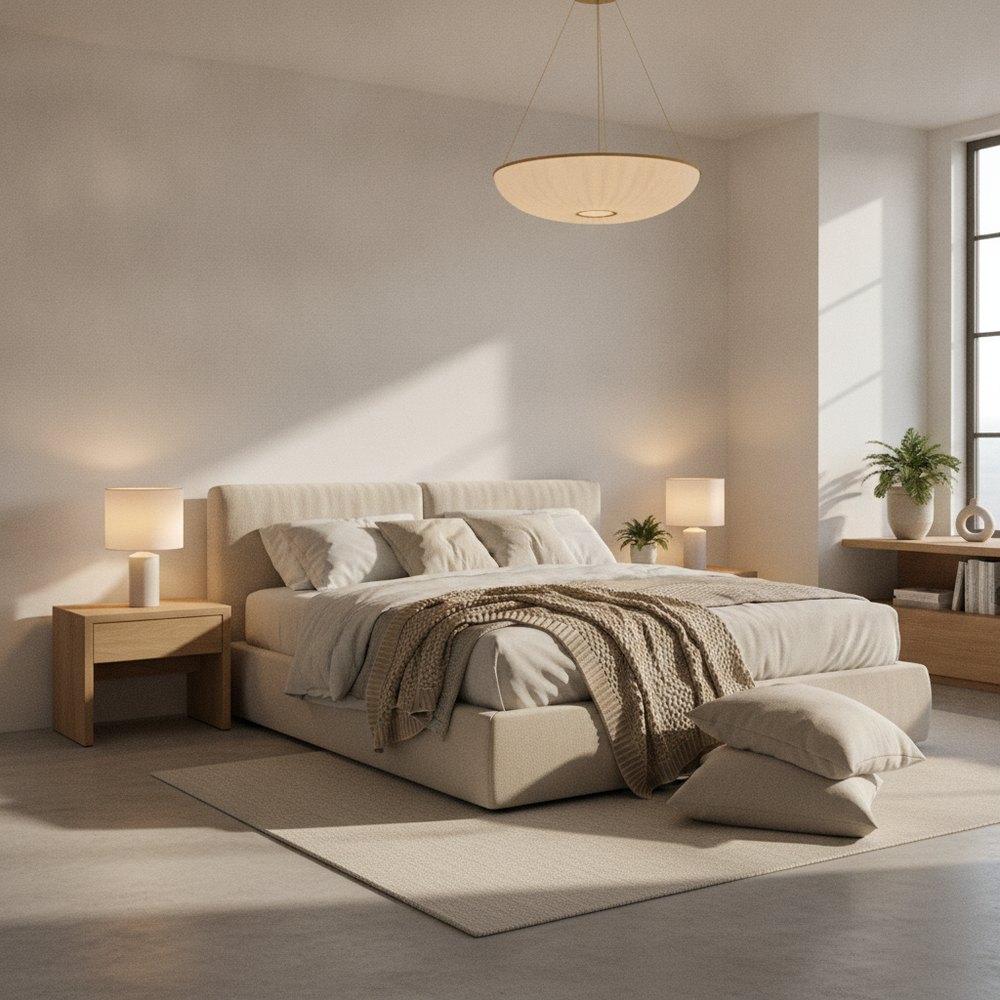
The best kids' room ideas plan for change: anchor the room with grown-up, neutral furniture, then layer in age-specific colour, storage and play through easily swapped textiles, art and accessories. Prioritise safety and low, reachable storage, zone the space for sleep, play and study, and choose adaptable pieces so the room evolves from toddler to teen without a full refit.
How do you design a kids' room that grows with them?
The secret is to separate the things that are expensive and hard to change from the things that are cheap and easy to swap. Spend your budget on a quality bed, a solid wardrobe and neutral flooring that will still make sense in ten years. Then express your child's current age and personality through paint, bedding, rugs, wall art and storage baskets — items you can update in an afternoon as tastes and needs shift.
Think in three broad stages: toddler (safety, floor play, containment), primary years (play zones, hobbies, first desk) and pre-teen or teen (study, privacy, self-expression). A room designed on this logic never needs a gut renovation — it simply gets re-dressed. It also helps to preview changes before you commit; you can test wall colours and layouts on a photo of the actual room with Decorly rather than repainting twice.
What are the safety essentials for a child's room?
Safety is the one area you never design around aesthetics. Before anything else, make sure the room is physically secure — this is the non-negotiable foundation that everything else sits on. Most incidents come from tall furniture tipping or from cords and small parts, and both are easy to design out.
- Anchor tall furniture — bolt wardrobes, bookcases and drawer units to the wall with anti-tip straps; children climb everything.
- Choose rounded edges — soft or bevelled corners on beds, desks and shelving reduce knocks, especially for toddlers.
- Cordless window coverings — fit blinds or curtains with no looped cords, or tie cords well out of reach.
- Secure rugs — use non-slip underlay so play mats and rugs don't slide on hard floors.
- Low, stable storage — keep heavy items low so a child never pulls weight down from height.
- Safe finishes — specify low-VOC, child-safe paints and washable, durable surfaces.
How should you zone a kids' room?
Even a small room works harder when it is divided into clear zones, because children move between very different activities in the same space. A defined sleep area, a play area and — as they get older — a study area help a child understand what happens where, which supports both focus and calm at bedtime.
You can mark zones without walls. A rug defines the play area, the bed anchors the sleep zone, and a desk by the window signals study. Keep the sleep zone the calmest corner, away from the busiest storage, and place play near the floor and natural light. In shared rooms, give each child at least one clearly personal zone — their own shelf, wall and bedding — so the space feels fair.
- Sleep zone — the bed against a solid wall, soft lighting, minimal clutter for easy wind-down.
- Play zone — an open rug with reachable, sorted storage so tidying is realistic.
- Study zone — a desk near daylight with a task light for homework and hobbies.
- Display zone — a low shelf or picture ledge for the child's own books, art and treasures.
What is the best storage for a kids' room?
Good kids' storage follows one rule: if a child can reach it and see into it, they will use it. Toys stashed in a high cupboard become your job to manage; toys in low, open baskets become theirs. Design storage at child height and keep the system simple enough that tidying takes minutes, not a negotiation.
Plan for volume and change. The sheer quantity of a child's belongings grows fast and shifts from bulky toys to books, kit and clothes. Modular, open shelving with swappable baskets adapts as those needs change, while under-bed drawers reclaim dead space for out-of-season clothes and less-used toys.
- Low open baskets — easy for small hands; label with pictures for pre-readers.
- Modular cube shelving — reconfigure and relabel as toys become books and hobbies.
- Under-bed drawers — hidden capacity for bedding, seasonal clothes and bulky kit.
- Wall-mounted picture ledges — display books face-out to encourage reading.
- A single toy 'library' rule — rotate toys in and out so the room never overflows.
Which colours work best in a child's room?
Colour is where a room shows its age most, so treat it as the easiest thing to change, not the hardest. A calm, neutral or soft base on the walls — warm white, gentle sage, clay or a muted blue — creates a restful backdrop that suits sleep and grows up gracefully. Then bring energy and personality through bedding, cushions, art and storage that you can restyle at will.
If you want stronger colour, use it in an accent role: one painted wall, a headboard, or a run of storage. This keeps the room lively without locking you into a theme your child outgrows in two years. For the reasoning behind how different shades affect mood and rest, see our guide to wall colour psychology, and browse calm, adaptable schemes in the Scandinavian and minimalist styles.
When should you add a study nook?
Around the start of primary school, a dedicated spot to draw, read and eventually do homework becomes valuable — and it sets a habit of focused, screen-away time. It needn't be large: a compact desk, a supportive chair scaled to the child, and good light are enough. Position it near a window for daylight and add a task lamp for darker afternoons.
Keep the surface clear and give small supplies a home in drawers or pots so the desk stays inviting rather than becoming a dumping ground. As the child grows, the same nook upgrades simply — a larger chair, a monitor riser, a pinboard — without moving anything structural. Pair it with the right lighting layers so the zone works morning and night.
How do you preview a kids' room before you commit?
Children's rooms are easy to over-decorate and easy to regret, because tastes change fast and paint and furniture are slow to undo. The lower-risk route is to visualise the finished room before you spend anything. Sketching to scale works, but it is hard to judge colour and mood from a plan.
Upload a photo of the real room to Decorly and test wall colours, layouts and styles in about seconds each — so you can see a calm neutral scheme beside a bolder accent wall, or compare a play-first layout with a study-first one, before you lift a paintbrush. Combine a sensible arrangement with safe, adaptable furniture and you have a room that flexes for years. Explore more room ideas in the complete room transformation guide.
Frequently asked questions
How do I design a kids' room that grows with them?
Invest in neutral, quality furniture and flooring you won't want to change, then express your child's current age through swappable paint, bedding, art and storage. Plan for toddler, primary and teen stages so the room re-dresses instead of needing a full refit.
What are the most important safety features in a child's room?
Anchor all tall furniture to the wall with anti-tip straps, use cordless window blinds, choose rounded edges and non-slip rugs, keep heavy items low, and specify low-VOC, washable, child-safe finishes.
What is the best storage for kids' toys?
Low, open baskets and modular cube shelving at child height work best, because children use storage they can reach and see into. Add under-bed drawers for bulky or seasonal items and rotate toys to stop the room overflowing.
What colour should a kids' room be?
Use a calm, neutral or soft base on the walls — warm white, sage, clay or muted blue — for restful sleep and longevity, then add personality through easily changed bedding, cushions, art and one optional accent wall.
How do you design a shared kids' room?
Give each child at least one clearly personal zone — their own bed, shelf, wall and bedding — and use rugs, storage and lighting to define separate areas so the space feels fair while still sharing communal play and study spots.