Guides
Accent Wall Ideas: Which Wall to Choose and How
July 12, 2026 · 9 min read
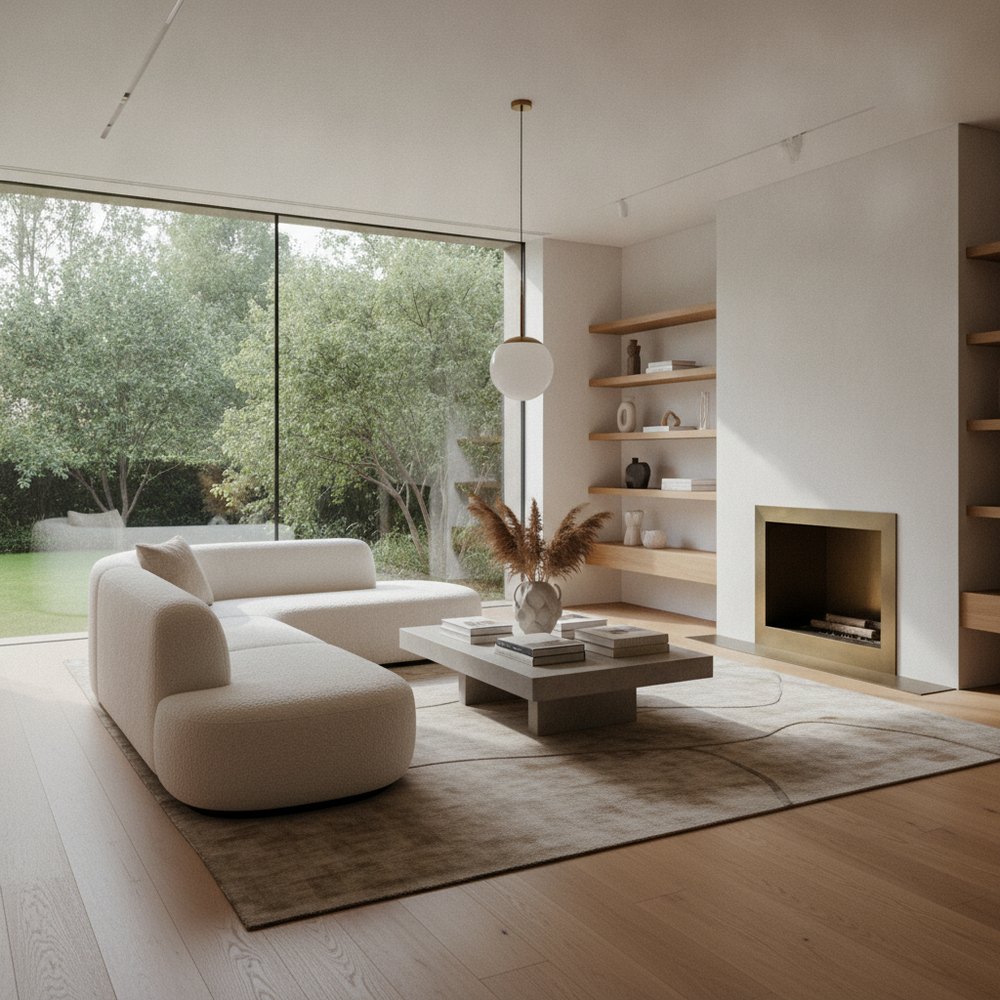
An accent wall is a single wall finished differently, in a bolder colour, wallpaper or panelling, to create a focal point and add depth. The best accent wall is the one your eye naturally lands on, usually behind a bed, sofa or fireplace. Choose the wall first, then the finish and colour, and keep the rest of the room restrained.
What is an accent wall, and what does it do?
An accent wall, or feature wall, is a single wall treated differently from the other three to draw attention and give a room a clear focal point. That difference might be a bolder paint colour, wallpaper, wood panelling, tile or texture.
Done well, an accent wall adds depth, personality and a sense of intention to a space that might otherwise feel flat. It can also solve problems: anchoring a large blank wall, highlighting an architectural feature, or defining a zone in an open plan. The key is that it should feel deliberate, not like a leftover splash of colour.
Which wall should you choose as the accent?
Choosing the right wall is more important than the colour or finish. The accent wall should reinforce the room's natural focal point, not fight it, so start by noticing where your eye goes when you walk in.
- The wall behind the main feature behind the bed, sofa, fireplace or TV, the natural centre of the room.
- The first wall you see the one that faces you as you enter tends to make the strongest impression.
- A wall with architecture a chimney breast, alcove or recess frames an accent beautifully.
- A solid, unbroken wall avoid walls chopped up by doors and windows; a clean expanse reads best.
- Not a wall you want to enlarge a bold colour advances, so avoid accenting a wall on the room's narrow end if you want it to feel wider.
Paint, panelling or wallpaper: which finish is right?
Once you have chosen the wall, decide how to treat it. Each finish has a different cost, effort and effect, so match it to the look you want and how permanent you need it to be.
- Paint the cheapest, fastest and most flexible option; ideal for testing bold colour with low commitment.
- Wood or MDF panelling adds architecture, texture and shadow; smart and tactile but more work and cost.
- Wallpaper brings pattern, print or texture that paint cannot; higher impact but harder to change.
- Tile or stone durable and luxe for bathrooms, kitchens and fireplaces; the most permanent and costly.
- Peel-and-stick options removable wallpaper and panels suit renters and the commitment-shy.
How do you choose the right accent colour?
The accent colour should relate to the rest of the room rather than appear from nowhere. The most successful accent walls feel like a deepened or intensified version of the existing palette, not a random contrast.
A reliable method is to pick a colour already present in the room, in a rug, artwork or cushion, and use a richer, deeper version of it on the wall. Deep, muted tones like forest green, navy, terracotta and charcoal are popular because they add drama without shouting. Test large samples on the actual wall and view them in daylight and at night before committing, as light changes colour dramatically. Our wall colour psychology guide explains how different shades affect a room's mood.
What are the most common accent wall mistakes?
Accent walls have a slightly dated reputation precisely because they are so often done badly. Sidestep a few predictable errors and the effect looks current and considered.
- Accenting a random wall choose the focal wall, not just any wall, or it looks arbitrary.
- A jarring, disconnected colour pick a shade that relates to the room's existing palette.
- Too much contrast in a small room an aggressive accent can shrink and unbalance a compact space.
- Ignoring the light a colour that looks great in the shop can turn muddy or cold on your wall.
- A busy wall broken by openings doors and windows fragment the effect; choose a clean expanse.
- Forgetting the rest of the room an accent needs restrained surroundings to stand out.
Room-by-room accent wall ideas
The best accent wall differs by room, because each has its own focal point and mood. Here is where to put one, and what tends to work, space by space.
- Bedroom the wall behind the headboard; deep, calming colours or soft panelling for a restful focal point. See our cozy bedroom ideas.
- Living room behind the sofa, fireplace or media unit; bold paint, panelling or textured wallpaper.
- Home office behind the desk for video-call backdrops; a rich colour or subtle pattern that reads as smart.
- Dining room the wall behind the table; a dramatic, moody colour makes evening meals feel intimate.
- Hallway or entryway the first wall you see; a confident colour or panelling sets the tone for the home.
- Bathroom a tiled or stone feature wall behind the bath or vanity for a spa-like lift.
Are accent walls still in style?
Accent walls remain popular, but the way they are done has evolved. The single bright-contrast wall of a decade ago has given way to more sophisticated approaches that feel integrated rather than bolted on.
The current direction favours tonal, colour-drenched and textured looks: deep, muted colours, panelling and wallpaper, sometimes extending colour onto the ceiling or trim to envelop the space rather than isolate one wall. The underlying principle is unchanged, create a focal point, but the execution is warmer and more cohesive. Explore how this plays out across looks in our best interior design styles 2026 guide.
How can you preview accent wall options before you commit?
Choosing a wall, a finish and a colour involves a lot of guesswork, and paint samples or a roll of wallpaper only tell you so much. Seeing the finished effect on your actual room removes the risk before you buy or pick up a brush.
With Decorly you upload a photo of your room and generate versions with different accent walls in seconds, comparing paint colours, panelling and wallpaper on your real wall while keeping its true proportions. You can test a deep navy against a warm terracotta, or paint against panelling, side by side before committing anything.
Frequently asked questions
Which wall should be the accent wall?
Choose the wall your eye naturally lands on, usually behind the bed, sofa, fireplace or TV, or the first wall you see as you enter. Pick a solid, unbroken wall rather than one fragmented by doors and windows, and reinforce the room's natural focal point rather than fighting it.
Is paint, panelling or wallpaper best for an accent wall?
Paint is the cheapest and most flexible, ideal for testing bold colour. Panelling adds architecture and texture but costs more, while wallpaper brings pattern paint cannot. Tile or stone suit bathrooms and fireplaces. Peel-and-stick versions work for renters who need it reversible.
What colour should an accent wall be?
Choose a colour that relates to the room's existing palette, ideally a richer, deeper version of a shade already present in a rug, cushion or artwork. Deep, muted tones like forest green, navy, terracotta and charcoal add drama without clashing. Always test large samples in daylight and at night.
Are accent walls out of date?
No, but the style has evolved. The single high-contrast wall has given way to tonal, colour-drenched and textured looks, deep muted colours, panelling and wallpaper, sometimes wrapping colour onto the ceiling or trim. The focal-point principle stays; the execution is warmer and more cohesive.
Can I preview an accent wall before painting?
Yes. Decorly redesigns a photo of your real room in seconds, so you can compare accent-wall colours, panelling and wallpaper on your actual wall before buying paint or picking up a brush.