Styles
Biophilic Design Ideas to Bring Nature Indoors
July 12, 2026 · 9 min read
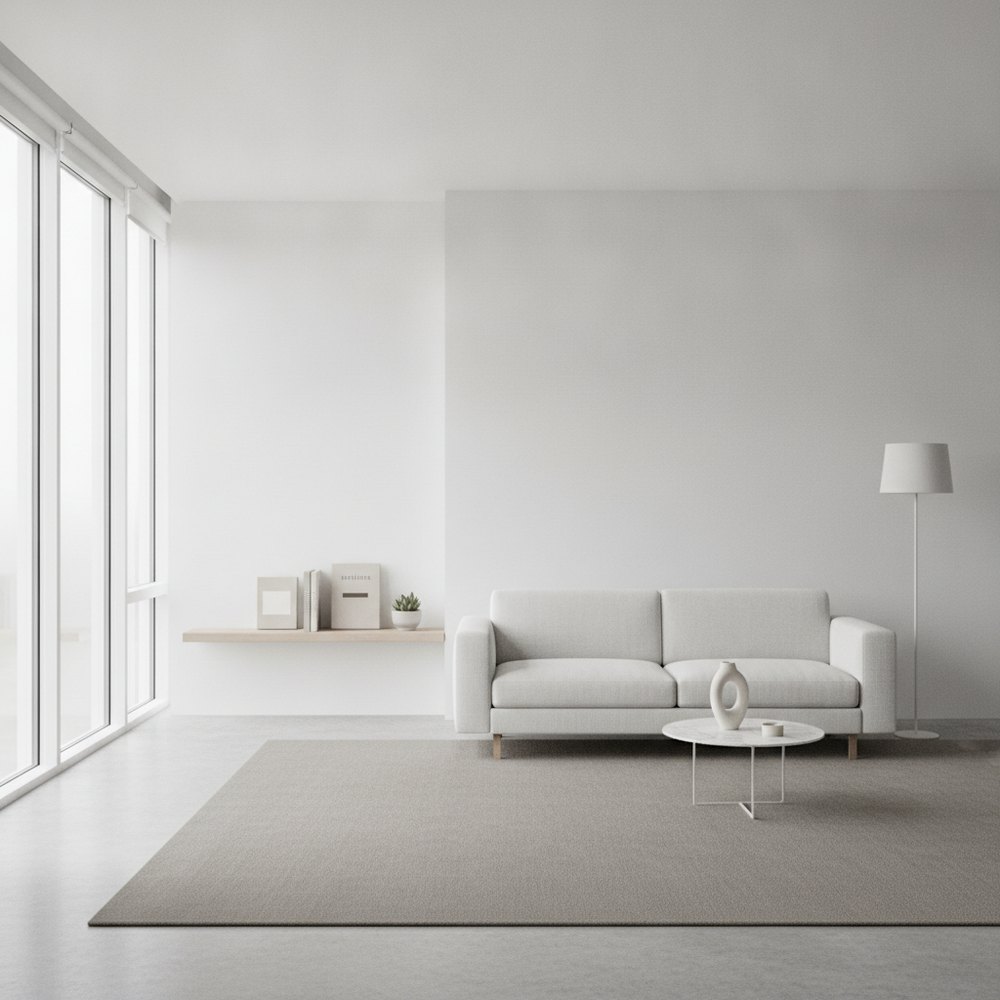
Biophilic design is an approach that strengthens our innate connection to nature by bringing natural elements indoors: abundant daylight, plants and greenery, natural materials and textures, views of nature, and even water. Done well, it lowers stress and boosts wellbeing, and it can be added to any home.
What is biophilic design?
Biophilic design is an approach to interiors based on biophilia, the idea that humans have an innate affinity for the natural world. It seeks to satisfy that instinct indoors by weaving in nature, light, plants, natural materials, views and organic forms, rather than treating buildings as sealed boxes cut off from the outside.
It is less a decorating style than a design philosophy, so it layers happily onto looks from Japandi to Scandinavian to minimalist. The aim is simple: create spaces that feel calm, alive and restorative because they echo the environments we evolved in.
Why does biophilic design boost wellbeing?
The appeal of biophilic design is not only aesthetic; the connection to nature it fosters is widely associated with genuine benefits to how we feel and function. Spending time around natural light, greenery and organic materials tends to feel calming, and that is the effect the approach sets out to recreate at home.
In practical terms, homes designed this way are often described as feeling less stressful, more restful and more uplifting to spend time in. Because so much of modern life happens indoors, deliberately reintroducing nature is a meaningful way to support day-to-day wellbeing rather than a purely decorative choice.
How do you maximise natural light?
Natural light is the foundation of biophilic design, because our bodies are tuned to the daily rhythm of daylight. Before adding a single plant, make the most of the light you already have, then amplify it.
- Keep windows clear swap heavy drapes for sheer or light curtains that let daylight flood in.
- Reflect light deeper place mirrors opposite windows to bounce daylight into darker corners.
- Choose light, warm surfaces pale walls and floors carry daylight further into a room.
- Position seating by windows put the places you linger where the natural light is best.
- Frame the view arrange furniture so the eye is drawn to any outdoor greenery beyond the glass.
How do you use plants in biophilic design?
Plants are the most direct and affordable way to bring nature indoors, and biophilic design uses them generously and at varied scales. The goal is a sense of living abundance rather than a lone pot on a shelf.
Layer greenery at different heights, a floor-standing plant, trailing foliage from a shelf, a cluster on a table, so plants feel woven through the room. Choose species suited to each spot's light, and consider a green wall or a dense group for real impact. If keeping plants alive worries you, our related thinking in the balcony garden ideas guide covers low-maintenance, resilient choices.
Which natural materials and textures should you use?
Beyond living plants, biophilic design leans heavily on natural materials, because their textures, grains and imperfections connect us to nature just as greenery does. Layering several natural surfaces is what gives these interiors their warm, tactile, grounded feel.
- Wood floors, furniture and beams in visible-grain timber bring instant natural warmth.
- Stone and clay worktops, tiles and terracotta pots add earthy, tactile solidity.
- Natural textiles linen, cotton, wool, jute and rattan in soft furnishings and rugs.
- Organic forms curved furniture and rounded edges echo shapes found in nature.
- Earthy colours a palette drawn from soil, foliage, stone and sky ties it all together.
How do views and water strengthen the connection to nature?
Two of the more powerful biophilic elements are visual access to nature and the presence of water, both of which are deeply restorative. Even where a garden view is limited, you can engineer a connection to the natural world.
Arrange rooms so windows frame whatever greenery, sky or planting you have, and if a real view is lacking, use large nature-themed artwork, a leafy indoor plant grouping or a window box to stand in for it. A small tabletop fountain or water feature adds the gentle sound and movement of water, which many people find calming, and completes the sensory picture.
How can you add biophilic design to any home?
You do not need a rural view or a big budget to design biophilically; the approach scales from a rented flat to a whole house. The trick is to introduce several elements together so they reinforce one another.
- Start with light maximise daylight and switch to warm-white bulbs for the evenings.
- Add plants in layers vary heights and group them for a sense of living abundance.
- Swap in natural materials choose wood, stone, linen and rattan over plastic and synthetics.
- Introduce nature's palette ground the scheme in earthy greens, browns and warm neutrals.
- Engage more senses add natural scent, the sound of water, and tactile textures you want to touch.
- Frame a view orient seating towards greenery, real or created, indoors or out.
How can you visualise a biophilic redesign of your room?
Because biophilic design depends on getting light, greenery, materials and colour balanced across a whole room, it helps enormously to see the effect in your actual space before buying plants, furniture or finishes. That is where AI design saves time and money.
With Decorly you upload a photo of your room and generate a biophilic version of that exact space in seconds, keeping your real windows, proportions and layout. You can test how much greenery feels right, compare natural wood against stone, and preview an earthy palette before committing to anything. Explore more directions across our styles library.
Frequently asked questions
What is biophilic design in simple terms?
Biophilic design is an approach to interiors that reconnects us with nature by bringing natural elements indoors, abundant daylight, plants, natural materials like wood and stone, views of greenery and even water. It is based on biophilia, our innate human affinity for the natural world.
What are the key elements of biophilic design?
The core elements are natural light, indoor plants and greenery, natural materials and textures such as wood, stone, linen and rattan, an earthy nature-derived colour palette, views of nature, and sensory touches like the sound of water and natural scent, all layered together.
Does biophilic design really improve wellbeing?
The connection to nature that biophilic design fosters is widely associated with feeling calmer, more restful and more uplifted. Because most of modern life happens indoors, deliberately reintroducing daylight, greenery and natural materials is a meaningful way to support everyday wellbeing.
How do I add biophilic design to a small or rented home?
Maximise daylight, add layered plants at varied heights, choose natural materials like wood, linen and rattan, ground the scheme in earthy colours, and frame any view of greenery. All of these are achievable in a small or rented space without structural change.
Can I preview a biophilic design in my own room?
Yes. Decorly redesigns a photo of your real room in the biophilic style in seconds, keeping your layout, so you can test how much greenery, which natural materials and which earthy palette work best before buying anything.