Rooms
Reading Nook Ideas for Any Spare Corner
July 25, 2026 · 8 min read
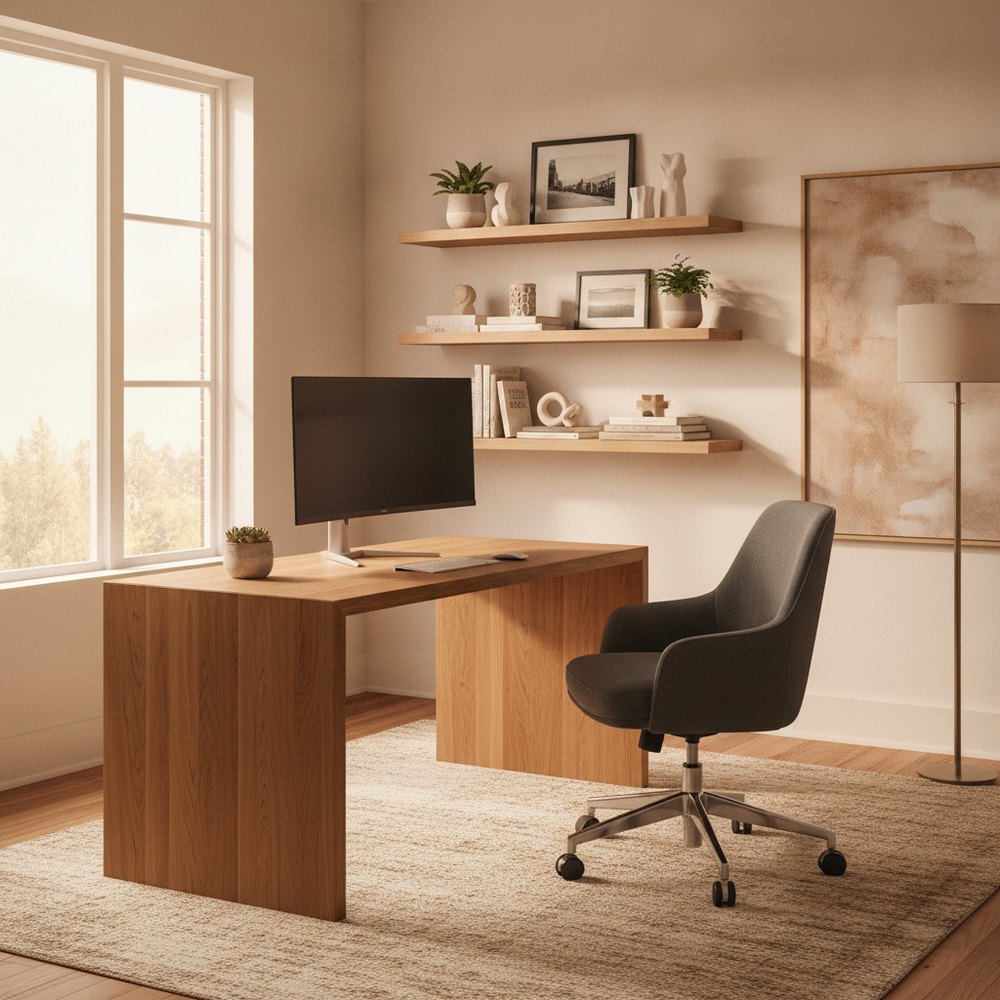
A reading nook needs surprisingly little: a comfortable chair or a padded window seat, a good light over your shoulder, somewhere to set a cup of tea, and a sense of enclosure. Find an alcove, a corner, a wide landing or the space under the stairs, and you can build one in a weekend without losing a room.
What makes a reading nook actually cosy?
The word cosy gets thrown about, but a reading nook lives or dies on one thing: enclosure. You want to feel gently held, with your back protected and the room falling away in front of you. That is why alcoves, bay windows and the recess beside a chimney breast work so well; the architecture does half the job for you.
The rest is comfort and light. A chair you can sink into for an hour, a lamp bright enough to read by without lighting the whole room, and a little table for your tea and the book you are half way through. Get those three and you have a nook. Everything else is decoration.
Where can you carve a nook from?
You almost never need to sacrifice a whole room. Most homes have a forgotten pocket of space that is doing nothing, and a reading nook is one of the best ways to use it. Look for the awkward leftover corners.
- A chimney alcove the recess beside a chimney breast is nook-shaped already; drop a chair in and shelve above.
- A bay or bedroom window a padded window seat under a window gives you light and a view for free.
- A wide landing a chair and a slim bookcase turn dead circulation space into somewhere to sit.
- Under the stairs the taller end takes a small armchair or a built-in bench; the low end takes shelves.
- A spare bedroom corner angle a chair across a corner with a lamp behind and you have carved a nook from thin air.
- A dormer or eaves a low sloped ceiling that is useless for standing furniture is perfect for a seated nook.
What is the right chair for a reading nook?
This is where people overspend and under-think. A stiff, upright designer chair looks the part and is agony after twenty minutes. You are going to sit in this thing for a long time, so comfort beats looks, every time.
You want decent back support, a seat deep enough to tuck your legs up but not so deep your feet dangle, and arms at a height that let your elbows rest while you hold a book. A wingback gives you that lovely draught-blocking enclosure. A deep armchair with a footstool is hard to beat. A chaise or a padded window seat suits the sprawlers. If you are the type who reads with a cat and a blanket, size up rather than down.
How do you light a reading nook properly?
Reading lighting is a specific job, and the ceiling light will not do it. Overhead light casts your own shadow onto the page and leaves the room feeling flat. You want directed, adjustable light coming over your shoulder.
- Light from behind and to the side position the source over your shoulder so it falls on the page, not in your eyes.
- An adjustable arm a swing-arm wall light or a floor lamp with a moveable head lets you aim it exactly.
- Warm but bright enough warm-white for cosiness, but not so dim you are squinting; around 2700K with decent output.
- A wall light saves the floor in a tight nook, a plug-in swing-arm wall light frees up the little floor you have.
- A dimmer for the mood so the same corner works for a gripping novel or a slow Sunday morning.
How do you add a few home-library touches?
You do not need a panelled Georgian library to get that bookish, settled feeling. A handful of considered touches signals reading nook without turning it into a stage set.
Keep some books within arm's reach, on a slim shelf, a little stack on the table, or a wall-mounted ledge, so the nook has a purpose written all over it. A soft throw over the arm of the chair and a cushion or two do more for cosiness than anything you can buy. If you have the wall for it, floor-to-ceiling shelves beside the chair are the dream, and our how to style a bookshelf guide covers arranging them so they look loved rather than staged. A small rug underfoot anchors the whole thing and marks it out as its own little zone.
How do you make a small nook feel like its own space?
The trick with a nook carved from a larger room is to make it read as separate without building walls. A few gentle signals tell the eye this is a room within a room.
- A rug even a small one draws a line around the nook and sets it apart from the floor beyond.
- A different or deeper colour paint the alcove a shade darker than the surrounding wall to cocoon it.
- A pendant or a wall light dedicated lighting says this corner has its own identity.
- Something at your back a bookcase, a screen or the wall itself gives the enclosed feeling that makes a nook work.
- Frame it curtains at a window seat or shelves either side of a chair bracket the space visually.
How can you test a reading nook before you buy the chair?
The hard part with a nook is judging scale. A chair that looks neat in the showroom can swamp an alcove, and a window seat that seemed generous on paper turns out too shallow to curl up on. Seeing it in your actual corner first takes the guesswork out.
With Decorly you upload a photo of the corner, alcove or landing you have in mind and generate reading-nook versions in seconds, testing a chair against a window seat, trying different colours and shelving, all on your real space with its true proportions. It is a quick way to check the scale works before you commit to a chair you cannot easily return.
Frequently asked questions
Where is the best place to put a reading nook?
Look for a forgotten pocket of space rather than sacrificing a room: a chimney alcove, a bay or bedroom window, a wide landing, the space under the stairs, an eaves or dormer, or simply an angled chair in a spare corner. Anywhere with a sense of enclosure and, ideally, some natural light works well.
What kind of chair is best for reading?
Comfort over looks: choose good back support, a seat deep enough to tuck your legs up without your feet dangling, and arms at a height that rest your elbows while you hold a book. A wingback or a deep armchair with a footstool is hard to beat, and a padded window seat suits those who like to sprawl.
How should I light a reading nook?
Avoid relying on the ceiling light, which casts your own shadow on the page. Use directed light from behind and to the side, over your shoulder, with an adjustable swing-arm wall light or a floor lamp with a moveable head. Go warm-white but bright enough to read by, ideally on a dimmer.
How do I make a reading corner feel cosy and separate?
Create enclosure and mark the zone out: put something solid at your back, add a small rug, paint the alcove a shade deeper than the surrounding wall, and give it its own lamp or pendant. A soft throw, a cushion or two and a few books within reach finish the cosy feeling.
Can I preview a reading nook in my own home first?
Yes. Decorly redesigns a photo of your chosen corner, alcove or landing in seconds, so you can test a chair against a window seat, try colours and shelving, and check the scale on your real space before buying the furniture.