Styles
Modern Organic Interior Design: How to Get the Look
July 12, 2026 · 9 min read
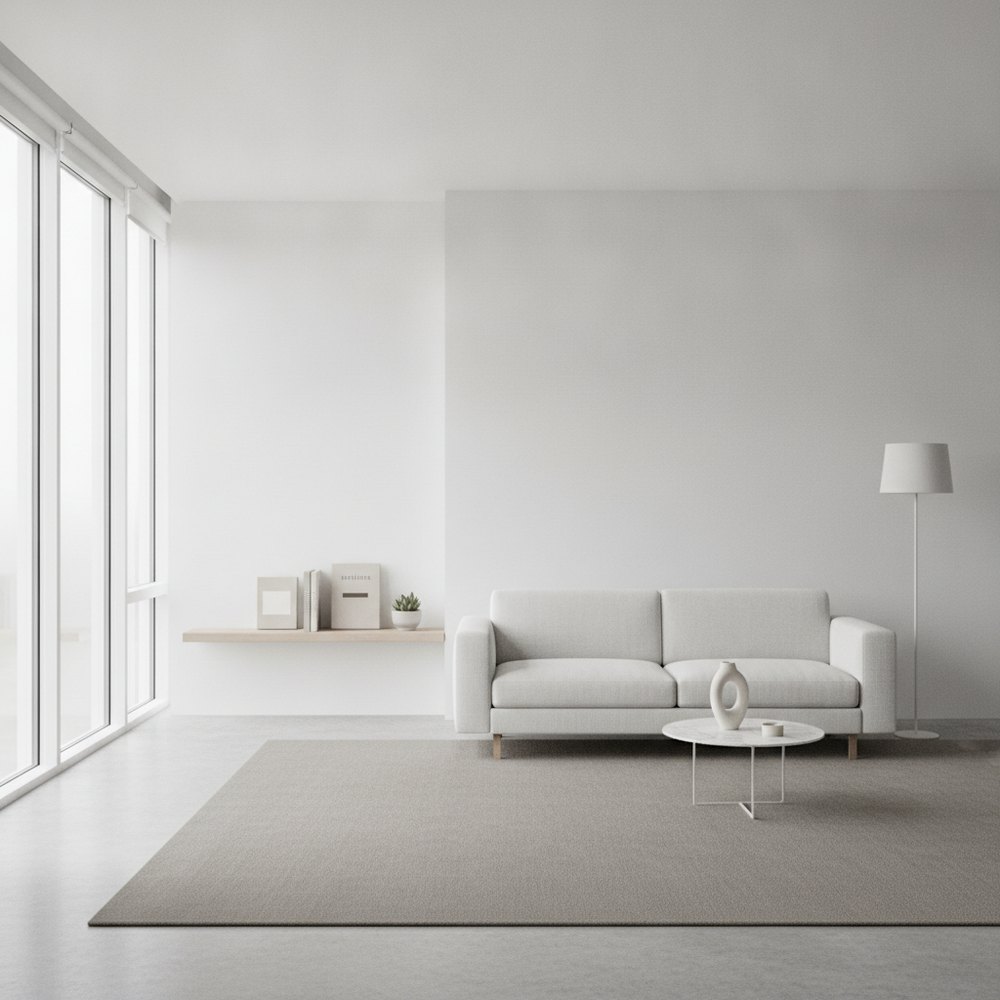
Modern organic interior design is a warm, nature-led take on modern style: it pairs clean contemporary lines with natural materials, soft earthy neutrals, curved shapes and rich texture to create calm, grounded rooms. Often called warm minimalism, it delivers the serenity of pared-back design with far more comfort and soul.
What is modern organic interior design?
Modern organic, sometimes called organic modern or warm minimalism, is a style that softens contemporary design with the textures and tones of the natural world. It keeps the clean lines and uncluttered restraint of modern interiors but warms them with wood, stone, linen, clay and gentle curves.
The feeling it aims for is calm and grounded. Rooms feel serene and spacious like a minimalist space, but never cold or clinical, because natural materials and earthy colour bring warmth and tactility. It sits close to the current idea of quiet luxury: understated, high-quality and comfortable rather than showy.
Where does modern organic style come from?
Modern organic grew from the meeting of modern design and our deep-seated pull towards nature. It draws on the natural-material honesty of mid-century and Scandinavian design and the biophilic idea that spaces connecting us to nature feel calmer and more restorative.
It also emerged as a warmer answer to strict minimalism. Where pure minimalism could feel austere, modern organic keeps the calm and clarity but reintroduces texture, curve and earthy colour, so the room soothes rather than disciplines. It shares much with Japandi, which similarly fuses minimal restraint with natural warmth. For more on the nature connection, see our biophilic design ideas.
What colours define a modern organic palette?
The palette is drawn straight from nature: soft, warm and earthy, with barely any cool or synthetic tones. Colours stay quiet so materials and light can lead.
- Warm whites and oatmeal the calm base layer on walls and larger upholstery.
- Sand, clay and terracotta earthy warm neutrals that ground the scheme.
- Soft taupe and mushroom gentle mid-tones for depth without contrast.
- Muted greens and sage botanical accents that reinforce the nature connection.
- Natural wood and stone tones the browns and greys of the materials themselves, treated as colour.
Which materials and textures make the look?
Modern organic is defined by natural, tactile materials used honestly. Because colour and pattern are restrained, texture is everything, layering natural surfaces is what gives these calm rooms their depth and warmth.
- Natural wood oak, ash and walnut, often with visible grain, on floors, furniture and beams.
- Stone and plaster limestone, travertine and lime-washed or microcement walls for an earthy, handmade feel.
- Soft natural textiles linen, cotton, wool and boucle in loose, relaxed forms.
- Rattan, jute and clay woven and ceramic pieces that add craft and organic texture.
- Matte, tactile finishes nothing high-gloss; surfaces are soft, honed and pleasant to touch.
Why do curves and organic shapes matter?
Curves are central to the style and are what most distinguish it from harder-edged modern rooms. Rounded, flowing forms echo shapes found in nature, and they instantly make a space feel softer, calmer and more welcoming.
Look for curved-arm sofas, rounded coffee tables, arched mirrors and doorways, and sculptural, organically shaped ceramics and lighting. Even one strong curve, a boucle armchair or an arched niche, relaxes an otherwise linear room. Combined with natural materials, these soft shapes are what give modern organic its unmistakable sense of ease.
How do you get the modern organic look?
Building the style is about layering natural warmth over a calm, uncluttered shell. Start neutral and restrained, then bring in materials, curves and greenery until the room feels grounded.
- Start with a warm neutral shell oatmeal or warm-white walls and a natural wood or stone floor.
- Choose curved, low-key furniture rounded sofas and tables in linen and wood over sharp, glossy pieces.
- Layer natural texture stack linen, wool, rattan and clay so the calm palette never feels flat.
- Add greenery a few real plants or branches reinforce the nature link and bring life.
- Maximise natural light keep windows uncluttered; soft daylight is part of the material palette.
- Edit and declutter keep surfaces calm and intentional so the warmth reads as serene, not busy.
What are the most common modern organic mistakes?
Most missteps come from losing either the warmth or the restraint that hold the style in balance. A few checks keep it calm and grounded rather than bland or cold.
- Going too cold grey, blue-white or high-gloss finishes kill the warmth; stay earthy and matte.
- Forgetting texture without layered natural materials, a neutral room reads as empty rather than serene.
- All straight lines skipping curves leaves it feeling like ordinary modern; add soft, organic shapes.
- Fake over real obviously synthetic materials break the nature-led premise; favour genuine wood, stone and linen.
- Over-styling too many objects undo the calm; restraint is half the point.
How can you preview a modern organic redesign before you commit?
Because the style hinges on getting warm neutrals, natural materials and soft shapes balanced just right, seeing it in your actual room before buying really pays off. This is exactly where AI design is useful.
With Decorly you upload a photo of your living room or bedroom and generate a modern organic version of that exact space in seconds, keeping your real windows, walls and proportions. You can compare an oatmeal wall against a soft clay, or test how much wood and stone feels right, before spending anything. Discover more calming looks in our Japandi style guide and across our styles library.
Frequently asked questions
What is modern organic interior design?
Modern organic, or warm minimalism, is a nature-led take on modern style. It keeps clean contemporary lines but warms them with natural materials, soft earthy neutrals, curved shapes and rich texture, creating calm, grounded and comfortable rooms.
What is the difference between modern organic and minimalism?
Minimalism strips a room to essentials and can feel cool and austere. Modern organic keeps that calm and clarity but adds warmth through natural materials, earthy colour and curves, so it feels soothing and inviting rather than stark.
What colours work best for organic modern interiors?
Earthy, warm neutrals: warm whites, oatmeal, sand, clay and terracotta, with soft taupe and muted greens. Natural wood and stone tones act as colour too. The palette stays quiet so materials and light can lead.
Is modern organic the same as quiet luxury?
They overlap closely. Quiet luxury is about understated, high-quality, comfortable interiors rather than showy ones, and modern organic delivers exactly that feel through natural materials, restraint and craftsmanship.
Can I visualise modern organic style in my own room?
Yes. Decorly redesigns a photo of your real space in the modern organic style in seconds, preserving your layout, so you can test warm neutrals, natural materials and curved furniture before you buy anything.