Guides
Interior Designer Cost vs AI: What You'll Really Pay
July 12, 2026 · 9 min read
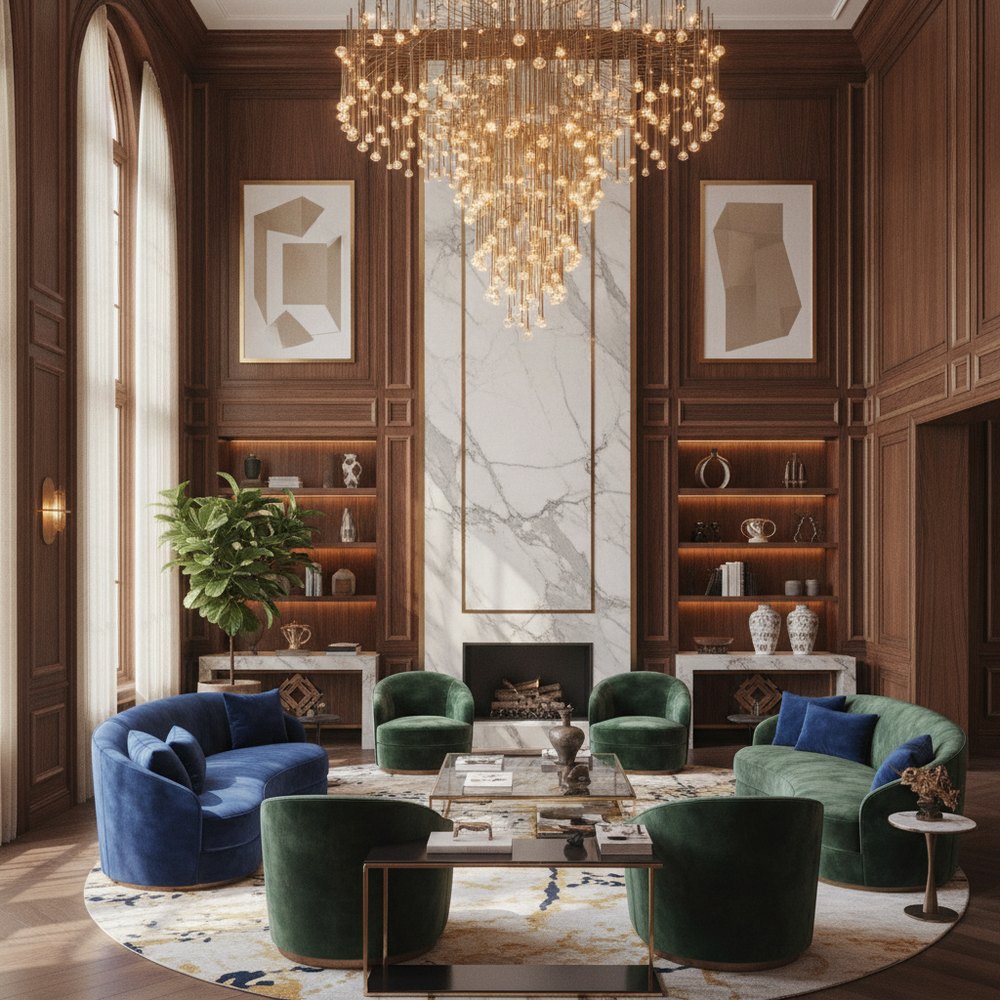
Interior designers typically charge one of four ways: a flat project fee, an hourly rate, a per-room package, or a percentage of the build budget. Costs vary widely by scope and location. Using AI to settle style and layout first cuts billable hours and helps you brief a designer precisely.
How do interior designers charge?
Before comparing numbers, understand the four common fee structures. Which one you meet depends on the designer, the size of the job and your region.
- Flat project fee — A single agreed price for a defined scope, best when the brief is clear and unlikely to change.
- Hourly rate — You pay for time spent, common for consultations and smaller advisory jobs where scope is fluid.
- Per-room package — A fixed price to design one room end to end, popular for e-design and single-space refreshes.
- Percentage of budget — The fee is a share of the total furnishing or construction spend, typical on larger renovations.
How much does an interior designer typically cost?
Treat all figures as guidance rather than fixed quotes, because rates swing hugely with location, experience and project complexity. Hourly consultations often start in the low-to-mid double digits per hour and rise steeply for established designers in major cities.
Per-room online design packages are usually the most affordable entry point, priced as a set fee per space. Full-service in-person design, where the designer manages sourcing and trades, tends to be quoted as a project fee or a percentage of the overall budget, and it is the most expensive route because it bundles project management.
What drives the price up or down?
Two projects of the same square footage can cost very differently. Knowing the levers helps you budget realistically and decide where to economise.
- Scope — One room costs far less than a whole home; structural changes cost more than a decor refresh.
- Designer seniority — Established names and award-winning studios command premium rates.
- Location — Rates in major metros run well above regional and online-only services.
- Level of service — Advice-only e-design is cheaper than full-service sourcing and site management.
- Decision clarity — Indecision and mid-project changes add billable hours quickly.
How does AI change the interior design budget?
The most expensive part of hiring a designer is often the exploratory phase, where you circle style options, second-guess layouts and rack up revisions. AI compresses that phase into an afternoon at a fraction of the cost.
With a photo-based tool like Decorly, you can visualise your real room in several styles, settle on a direction, and test furniture placement before a designer is involved. You then arrive with a clear brief, which means fewer billable hours spent deciding what you want and more spent executing it well.
AI vs interior designer: when should you use each?
This is not an either-or decision for most people. The smart approach is to use AI first, then bring in a professional where their judgement genuinely adds value.
- Use AI when you want to explore styles, preview your actual room redesigned, test layouts, or handle a straightforward decor refresh yourself.
- Use a designer when you have structural work, complex sourcing, trade coordination, or you want a bespoke scheme and hands-on project management.
- Use both when you like the control and speed of AI for direction, but want an expert to refine, specify and deliver the final result.
How do you use AI to lower the bill before hiring a pro?
A short, deliberate workflow turns AI exploration into money saved. Follow it and your first designer meeting becomes a decision-confirming session, not an open-ended discovery call.
- 1Photograph each room you want to change, straight-on and in good daylight.
- 2Generate two or three style directions per room and pick your favourite.
- 3Test the layout by previewing furniture placement and traffic flow.
- 4Assemble a brief with your chosen renders, a rough budget and must-keep features.
- 5Book the designer for refinement and delivery, not for basic direction-setting.
Does AI replace an interior designer?
No, and it is not meant to. AI is brilliant at fast visualisation and decision-making, but it does not source trade partners, manage a build, or bring a trained eye to bespoke detailing. Those are where a good designer earns their fee.
What AI does is shift where your money goes. Instead of paying premium hourly rates to explore ideas, you explore for a small subscription and reserve professional time for the work only a human can do. For many homeowners, that combination delivers a better result for less. Start by pricing a plan on the Decorly pricing page and compare it with a single hour of design consultation.
Frequently asked questions
How much does an interior designer cost?
It depends on the fee model. Hourly rates, per-room packages, flat project fees and percentage-of-budget arrangements all exist, and prices vary widely by location and seniority. Per-room online packages are usually the most affordable entry point.
Is AI cheaper than hiring an interior designer?
Yes, for exploration and visualisation. A photo-based AI subscription costs a fraction of designer hourly rates, so using it to settle style and layout first reduces the billable hours you pay a professional.
Can AI replace an interior designer entirely?
Not for complex work. AI excels at fast visualisation and decisions, but sourcing, trade coordination and bespoke detailing still need a professional. Many homeowners use AI first, then hire a designer for delivery.
How do I reduce interior designer fees?
Arrive with clear decisions. Use AI to choose a style, preview your real room and test layouts, then give the designer a tight brief. Fewer revisions and less discovery time mean a lower bill.
What is the cheapest way to get interior design help?
Photo-based AI tools are the most affordable starting point, letting you redesign your own room for a small subscription. For hands-on delivery, an online per-room e-design package is usually the cheapest professional option.