Guides
How to Declutter Your Home: A Method That Actually Sticks
July 21, 2026 · 9 min read
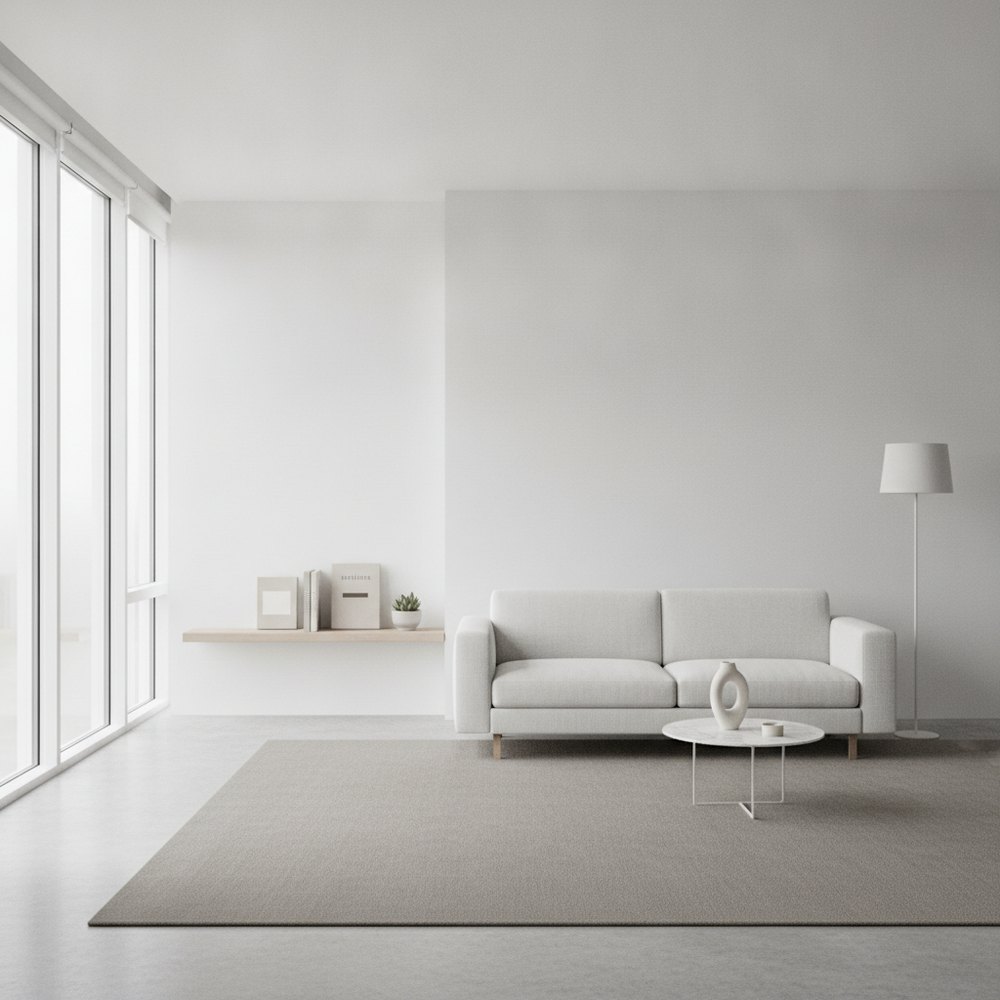
Declutter by category within one room at a time, not by room across the whole house, and finish each session by putting everything that stays into a closed home with about 20 per cent spare capacity. Clutter returns when storage is full, because a full system has nowhere to absorb the next thing.
Why the big weekend purge fails
Most people have done this: cleared a whole day, filled bags, felt excellent, and found the house back to normal within two months.
It fails for two structural reasons. The first is that a purge removes items without changing the system, so the same inflow refills the same surfaces. The second is that a purge is exhausting, which means it happens rarely, which means the drift between purges is large.
The alternative is smaller and duller: one room, one category, forty minutes, and a storage system that has room to absorb things. It is less satisfying in the moment and it is the version that holds.
The storage capacity rule
The single most useful idea here, and it explains most recurring clutter.
Clutter accumulates on surfaces when the closed storage is full. If every drawer, cupboard and box is at capacity, there is physically nowhere for the next item to go, so it stays out. The visible mess is a symptom of an invisible full system.
The rule is to aim for around 20 per cent spare capacity in every storage location. That spare capacity is what absorbs the post, the school letter, the charger, the thing that arrived today. Without it, every new item becomes a surface item.
This means the goal of a decluttering session is not an empty room; it is a storage system with slack in it.
The method
Room by room, category by category, in short sessions.
- 1Pick one room and one category, such as all the cables in the living room, or all the mugs in the kitchen. Not the whole room.
- 2Gather every item in that category into one place. Seeing seventeen chargers together is what makes the decision easy; encountering them one at a time is what makes it hard.
- 3Sort into four piles: keep, relocate to another room, donate or sell, discard. Only four. A maybe pile is a delayed decision and it always ends up back in the house.
- 4Deal with the leaving piles immediately. Bags in the car, listing photographed, bin emptied. A donation bag that sits in the hall for a month is still clutter.
- 5Give the keep pile a closed home with spare capacity before you start the next category.
Deciding what to keep
The decision paralysis is the actual work, and a few practical tests help more than any philosophy.
The most useful is the replacement test: if this were lost tomorrow, would I buy another? For most things the answer is no, and that is a much easier question than asking whether you want to keep it.
For duplicates, keep the best one and let the rest go. Most households have three vegetable peelers and use one.
For sentimental items, separate genuine sentiment from guilt. A gift you never liked has already done its job; keeping it does not honour anyone. Photograph things you want to remember but not store.
For aspirational items, the clothes for a size you might be, the equipment for a hobby you might restart, be honest about the timeline. These are among the heaviest categories in most homes.
The rooms that matter most
Not all clutter has equal effect, so sequence matters if energy is limited.
Surfaces in shared living spaces first, because they are what you see constantly and what makes a home feel chaotic. A clear coffee table and kitchen worktop change the daily experience more than a tidy loft.
The entrance second, since it is the point where new things arrive and where shoes, bags and post accumulate. Fixing the entrance stops clutter entering the rest of the house. Our entryway guide covers the storage.
Bedrooms third, because visible clutter in a bedroom has a disproportionate effect on how restful it feels.
Lofts, garages and storage rooms last. They are the largest volume and the lowest daily impact, which is exactly why people start there and lose momentum.
Storage that actually keeps things away
Better storage does more for a decluttered home than more discipline.
- Closed beats open. Open shelving displays whatever is on it, including the untidy things. Cupboards and drawers hide.
- Drawers beat cupboards for anything below waist height, since you can see the whole contents at once.
- Baskets and boxes work because they require no system. Things go in without a decision, which is the only way a system survives a bad week.
- One home per category, and everyone in the house knows it. Items with no fixed home migrate to surfaces.
- Storage near the point of use. Things get put away when putting away is easier than leaving out.
Keeping it that way
Three habits that do most of the work of maintenance.
The one-in-one-out rule for categories that have reached capacity: buy a jumper, remove a jumper. It sounds strict and it is mostly about noticing inflow.
A daily ten-minute reset, ideally at the same time, where everything on surfaces goes back to its home. Not cleaning, just resetting. This is the single highest-value habit and it only works because there is spare capacity in the storage.
A quarterly twenty-minute pass on the entrance and the kitchen worktop, which are where drift starts. If those two stay clear, the rest of the house tends to follow.
See the room without the clutter
One of the reasons decluttering stalls is that it is hard to believe the room underneath is worth the effort.
With Decorly you can photograph a cluttered room and see it rendered with clear surfaces and proper storage, which is a surprisingly effective motivator and also shows you where storage actually needs to go. For the storage itself, see entryway and mudroom ideas and kitchen storage ideas.
Frequently asked questions
Why does clutter keep coming back after I declutter?
Because the storage system is full. When every drawer and cupboard is at capacity, there is nowhere for new items to go, so they stay on surfaces. Aim for around 20 per cent spare capacity in every storage location, which is what absorbs the next thing that arrives.
What is the best decluttering method?
One room and one category at a time in short sessions. Gather every item in that category into one place, sort into keep, relocate, donate and discard with no maybe pile, remove the leaving piles immediately, then give the keep pile a closed home with spare capacity before starting the next category.
How do you decide what to keep?
Use the replacement test: if this were lost tomorrow, would I buy another? For most items the answer is no, and it is a far easier question than whether you want to keep something. For duplicates, keep the best one; for sentimental items, separate genuine sentiment from guilt.
Which rooms should you declutter first?
Surfaces in shared living spaces first, since they affect the daily experience most, then the entrance, which is where new clutter enters the house, then bedrooms. Leave lofts, garages and storage rooms until last, since they are the largest volume and the lowest daily impact.