Rooms
Entryway & Mudroom Ideas for a Great First Impression
July 12, 2026 · 9 min read
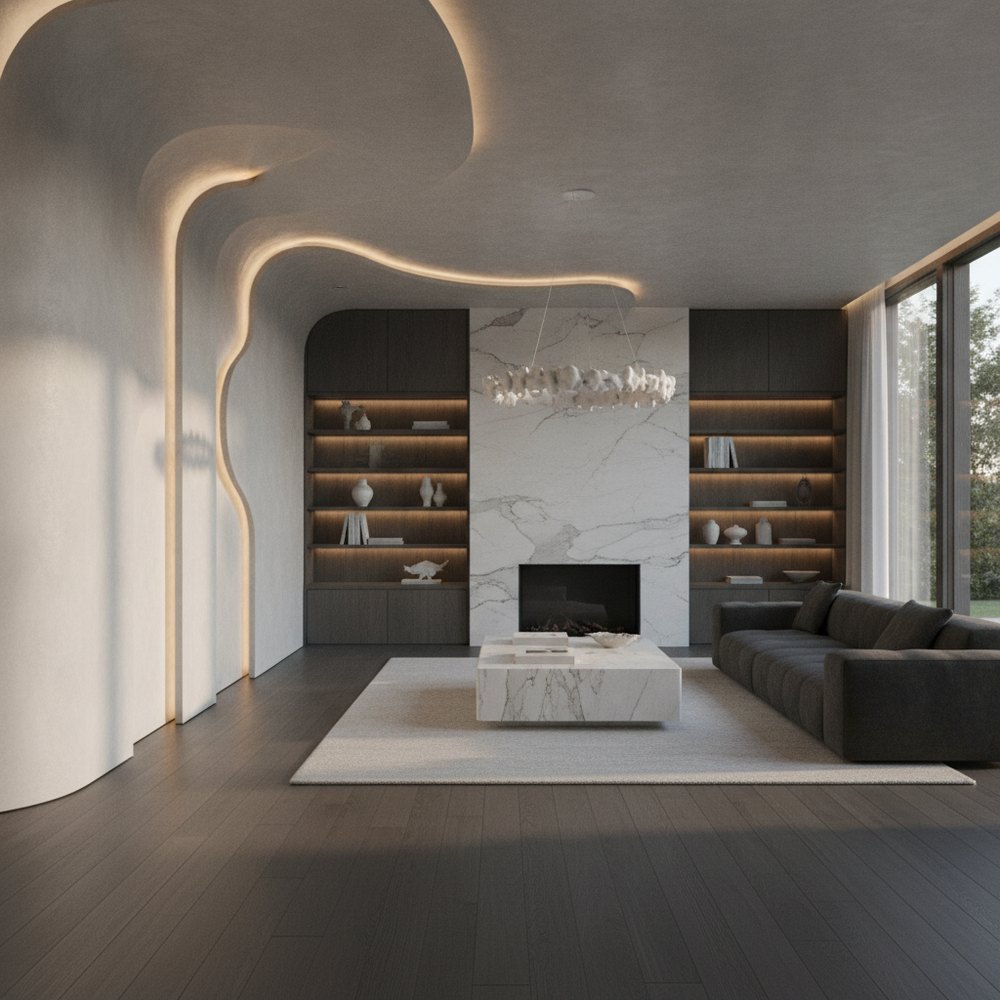
A great entryway does three jobs: it makes a strong first impression, it stores the daily churn of shoes, coats and keys, and it stands up to heavy traffic. Combine closed and open storage, a spot to sit and take off shoes, layered lighting, a mirror to bounce light, and hard-wearing, wipeable finishes — scaling each to the space you have.
Why does the entryway matter so much?
The entryway is the first and last thing anyone experiences in your home, so it sets the tone disproportionately for its size. A calm, organised entrance signals a calm, organised home; a pile of shoes and a heap of coats does the opposite before a visitor has taken three steps. It is also the hardest-working square metres in the house, absorbing daily comings and goings, weather and dirt.
Because of that dual role — impression and function — a good entryway design solves for both at once. It needs to look welcoming and considered, and it needs a place for everything so the space stays clear. Get the storage right and the good first impression takes care of itself, because clutter is what usually undoes an entrance.
What storage does an entryway need?
Entryway storage works best as a mix of closed and open. Closed storage — a cupboard, drawers or a shoe cabinet — hides the daily mess and keeps the space looking calm. Open storage — hooks and a bench — makes grabbing a coat or dropping keys effortless, which is what keeps the system actually being used. The balance depends on how tidy you want the surfaces to read.
Plan storage around what your household drops at the door: shoes, coats, bags, keys, post and, in a mudroom, sports kit and pet gear. Give each a home. A dedicated spot for keys and post alone prevents most entryway clutter. Where floor space is tight, go vertical with tall, shallow units and wall-mounted hooks.
- Hooks or pegs — the fastest, cheapest win; set some low for children.
- A shoe cabinet or bench with storage — corrals the biggest source of entryway mess.
- A console with drawers — hides keys, post, gloves and clutter behind a tidy surface.
- Closed cupboards in a mudroom — swallow coats, kit and seasonal gear out of sight.
- A key and post spot — a small tray or wall pocket stops the daily pile-up.
- Baskets — one per person or category makes tidying quick and obvious.
Should an entryway have seating?
If space allows, a place to sit is one of the most useful additions to an entrance — somewhere to perch while pulling boots on and off, or to set bags down. A bench is the classic choice because it doubles as storage: a lift-up seat or open cubbies beneath turn dead space into shoe or basket storage.
In a narrow hallway where a bench would block the path, a slim stool, a small built-in ledge, or even a sturdy shoe cabinet at seat height can stand in. The point is to give the body somewhere to pause at the threshold, which quietly makes the whole space feel more considered and hospitable.
How should you light an entryway?
Entryways are often windowless or dim, so lighting is essential rather than decorative. The aim is a warm, welcoming glow the moment you step in — never a dark, cave-like arrival. Layer the light: a main ceiling fixture or pendant for overall brightness, plus a smaller source such as a table lamp on a console or a wall light for warmth and atmosphere.
Choose warm-toned bulbs for a welcoming feel, and consider putting the entry light on a timer or smart control so you never come home to darkness. A well-lit mirror is doubly useful — good for a last check on the way out and for bouncing light around a dim space. For a whole-home approach, see the best lighting for every room.
- A ceiling light or pendant — the workhorse for overall brightness; scale it to the ceiling height.
- A lamp or wall light — adds warmth and softens the arrival at eye level.
- Warm-toned bulbs — for a welcoming rather than clinical glow.
- A timer or smart switch — so you never come home to a dark entrance.
Why add a mirror to an entryway?
A mirror is arguably the highest-value single item in an entrance. Practically, it's the spot for a final look before you leave. Spatially, it does two powerful things: it bounces available light around a typically dim space, and it visually doubles the sense of depth, making a narrow or small entry feel markedly bigger and brighter.
Hang it opposite or adjacent to any light source — a window, the front door glazing or a lamp — to maximise the reflected light. A large mirror over a console is a classic, balanced arrangement; in the tightest hallways, a slim full-length mirror on the wall or back of a cupboard door earns its place without stealing floor space.
What are the best durable finishes for an entryway?
The entrance takes more abuse than any other room — wet shoes, dropped bags, scuffed walls — so finishes must be tough and easy to clean. Flooring is the priority: choose hard-wearing, water-resistant and wipeable surfaces such as tile, engineered wood, luxury vinyl or stone, and add a washable runner or a robust doormat to catch grit before it travels through the house.
Extend the same logic to walls and surfaces. A wipeable, harder-wearing paint finish (satin or eggshell rather than flat matte) survives scuffs and cleaning near the door. Durable, low-maintenance materials on benches and consoles mean the space still looks good after years of daily use rather than showing every mark.
- Water-resistant flooring — tile, engineered wood, luxury vinyl or stone stands up to wet shoes.
- A washable runner or robust doormat — traps grit and dirt at the threshold.
- Wipeable wall paint — satin or eggshell near the door resists scuffs and cleaning.
- Hard-wearing surfaces — durable bench and console tops that shrug off daily knocks.
How do you design a small entry — or a home with no entryway?
Small entries reward vertical thinking and restraint. Go up the wall with hooks, tall shallow units and a mirror to lift light, keep the floor as clear as possible, and choose slim, wall-mounted or floating pieces so the path stays open. A single well-chosen console with hooks above and a basket below can hold everything a compact entrance needs.
Where the front door opens straight into a living space, the trick is to define an entry zone even without walls. A runner or a change in flooring, a slim console or shoe cabinet, a row of hooks and a mirror together create a psychological threshold — a clear 'this is where we arrive' — without a dedicated room. You can test these layouts and finishes on a photo of your actual entrance with Decorly before buying a thing, and browse pared-back, hard-working schemes in the minimalist and Scandinavian styles.
- Go vertical — hooks, tall shallow storage and a mirror free up precious floor space.
- Choose slim, wall-mounted pieces — floating consoles and shoe racks keep the path clear.
- Define a zone without walls — a runner, a console and hooks create an entry where there's no hall.
- Use a mirror to open up — reflected light and depth make a tight entry feel bigger.
Frequently asked questions
What makes a good entryway?
One that handles three jobs at once: a welcoming first impression, enough closed and open storage for shoes, coats and keys, and durable, wipeable finishes that survive heavy traffic. Add seating, layered lighting and a mirror, scaled to the space you have.
What storage do I need in an entryway?
A mix of closed and open storage: hooks and a bench for everyday grab-and-go, plus a cabinet, console drawers or cupboards to hide shoes, coats and clutter. Give keys and post their own small spot to prevent pile-ups.
How do I make a small entryway work?
Think vertical — wall hooks, tall shallow units and a mirror to lift light — and choose slim, wall-mounted or floating pieces to keep the floor clear. A single console with hooks above and a basket below often covers a compact entrance.
What can I do if my home has no entryway?
Create a zone where the door opens into a living space using a runner or flooring change, a slim console or shoe cabinet, a row of hooks and a mirror. Together they form a clear 'arrival' threshold without needing a separate room.
What is the best flooring for an entryway or mudroom?
Hard-wearing, water-resistant and wipeable surfaces such as tile, engineered wood, luxury vinyl or stone, paired with a washable runner or a robust doormat to catch grit and moisture before it spreads through the home.