Rooms
Home Library Ideas: Shelving, Lighting and Somewhere to Sit
August 16, 2026 · 8 min read
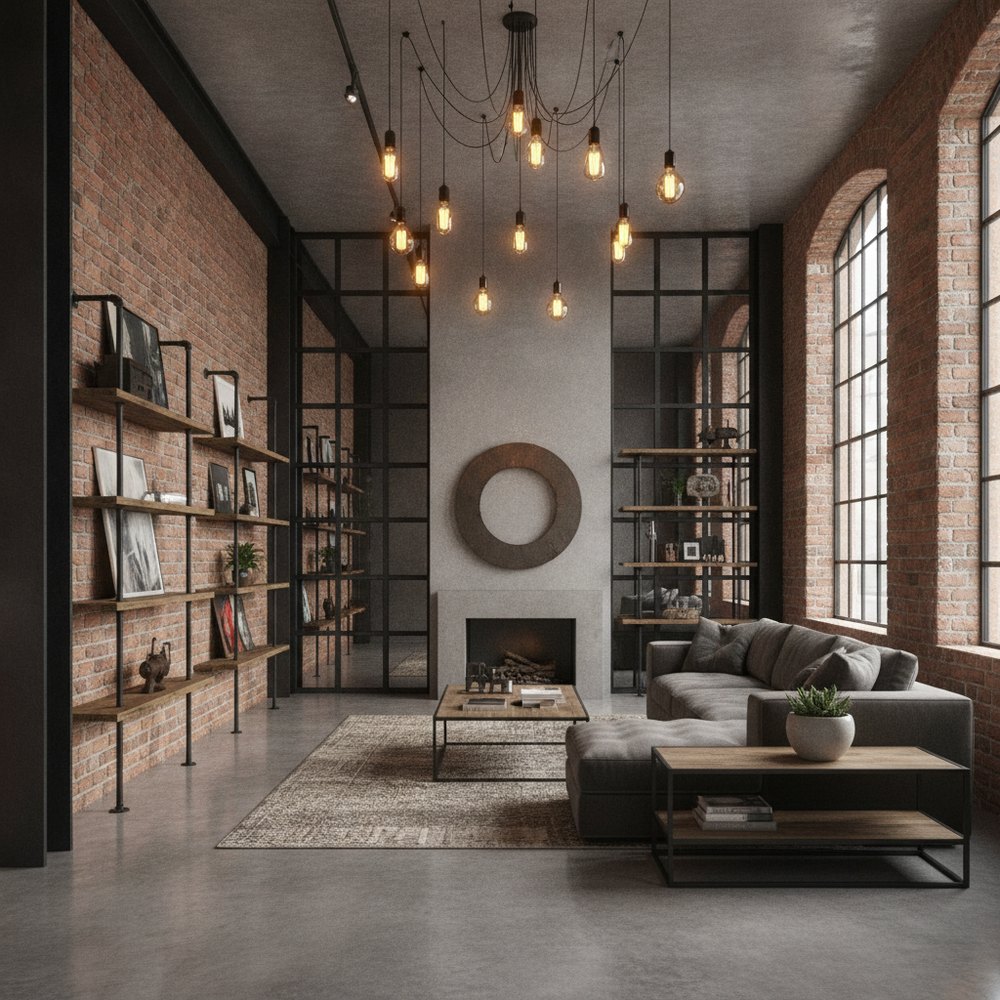
A home library needs three elements and only three: floor-to-ceiling shelving on at least one full wall, a comfortable chair with a side table, and a dedicated reading light at shoulder height. The shelving should run wall to wall and floor to ceiling, because part-height bookcases read as furniture while full-height shelving reads as architecture.
Full-height is the whole difference
Two rooms can hold the same number of books and look entirely different, and the variable is almost always whether the shelving reaches the ceiling.
A 1.8-metre bookcase against a 2.7-metre wall leaves a 900mm strip of blank wall above it, which reads as unfinished and collects objects. Ten of those around a room look like storage. Run the same shelving to the ceiling, wall to wall, and the books become a surface, a wall made of spines, and the room reads as a library rather than a room with bookcases in it.
It is also more efficient. The top two shelves hold the books you rarely reach for, which most people own more of than they admit.
Getting the shelf dimensions right
Books have specific dimensions and shelving built without reference to them wastes a lot of space.
- Depth: 250 to 300mm. Deeper than that and books sit far back and gather dust in front; shallower and larger formats overhang.
- Shelf spacing: 300mm for paperbacks, 350 to 400mm for hardbacks, 450mm+ for art books. Varying the spacing up the wall is more efficient and looks better than uniform shelves.
- Span: 800mm maximum without support for a timber shelf, or it will sag under books within a couple of years. 700mm is safer for 18mm boards.
- Thickness: 25mm minimum for a shelf carrying books. 18mm is for ornaments.
- Leave one deeper section at the bottom for large formats and boxes.
Built-in or freestanding?
Built-in wins on every criterion except portability, and that one matters if you rent or move often.
Built-in shelving fits the wall exactly, has no gaps at the sides or top, can work around a chimney breast or a window, and can incorporate lighting. Painted the same colour as the walls it disappears into the architecture; painted a contrasting colour it becomes the room's main event.
Freestanding is the renter's answer and the modular systems have improved considerably. The trick to making freestanding look built-in is to fill the wall completely, side by side and up to the ceiling, add a painted timber fillet to close the gaps at the top and sides, and paint the whole assembly the wall colour.
Where the reading actually happens
A library without a good chair is a storage room, and this is the element most often under-specified.
You need one properly comfortable chair with support at the right height for reading, which usually means a higher back than a lounge chair, a side table at armrest height for a drink and a book face-down, and a light. Add a footstool. That combination, chair, table, light, footstool, is the difference between a room you admire and a room you sit in.
Position it where the light is: near a window for daytime, with the artificial light behind and slightly to one side rather than in front. Our reading nook guide covers smaller versions of the same idea.
Lighting a library
Two separate jobs here and they need different fittings.
The first is finding a book, which means lighting the shelves themselves. LED strips concealed at the front edge of each shelf, or a row of small directional spots washing the shelving, both work. Without it, a full-height wall of books is a dark cave above eye level.
The second is reading, which needs a focused source at around shoulder height when seated, positioned so the light falls on the page without glare. A floor lamp with an adjustable arm beside the chair is the classic answer and remains the best.
Keep everything warm, around 2700K. Cool light in a room full of paper and timber looks wrong in a way that is hard to name but easy to feel.
Arranging books so they look good and stay findable
There is a genuine tension here and the answer is a compromise rather than a rule.
Colour-arranged shelves photograph beautifully and are infuriating to use, since you have to remember the colour of every spine. Strict alphabetical or Dewey order is findable and visually inert.
What works in practice is arranging by category, fiction, reference, art, cooking, so books are findable, and then within each category letting the natural variation of spines do the visual work. Break up the run with a few horizontal stacks, a small object every third shelf, and one or two books face-out. Do not fill every shelf to capacity; about 80 per cent full looks intentional and 100 per cent looks like a stockroom.
Our bookshelf styling guide covers the arrangement in detail.
Small-space libraries
You do not need a room. Some of the best home libraries are corridors and landings.
A hallway or landing wall is ideal for shallow full-height shelving, since you only need 250mm and hallways have nothing else to do. Above a doorway is usable space. The area either side of a chimney breast is the classic built-in location. And a low run of shelving under a window with a cushion on top gives you books and a window seat in one.
In a bedroom, shelving over the bed and down both sides makes a headboard wall that stores hundreds of books without taking floor space.
See the wall before you build it
Full-height joinery is expensive and hard to picture from a drawing, particularly the colour decision.
With Decorly you can photograph the wall and compare shelving painted in the wall colour against a contrasting one, with and without integrated lighting, at your real ceiling height. For styling afterwards, see how to style a bookshelf and reading nook ideas.
Frequently asked questions
How deep should bookshelves be?
250 to 300mm. Deeper and books sit far back with a dusty strip in front; shallower and larger formats overhang. Vary shelf spacing up the wall, around 300mm for paperbacks, 350 to 400mm for hardbacks and 450mm or more for art books.
How far can a bookshelf span without sagging?
About 800mm for a 25mm timber shelf, and 700mm is safer for 18mm board. Books are heavier than people plan for, and a shelf that looks fine on installation day will bow noticeably within a couple of years if the span is too long.
Should bookshelves go all the way to the ceiling?
Yes, if you want the room to read as a library rather than a room containing bookcases. Full-height, wall-to-wall shelving becomes architecture. Part-height units leave a strip of blank wall above that reads as unfinished and collects clutter.
How should I arrange books on a shelf?
By category, so they stay findable, then let the natural variation of spines do the visual work. Break the run with a few horizontal stacks, an object every third shelf or so, and one or two books face out. Keep shelves about 80 per cent full rather than packed.