Styles
French Country Interior Design: Warmth, Patina and Restraint
August 7, 2026 · 8 min read
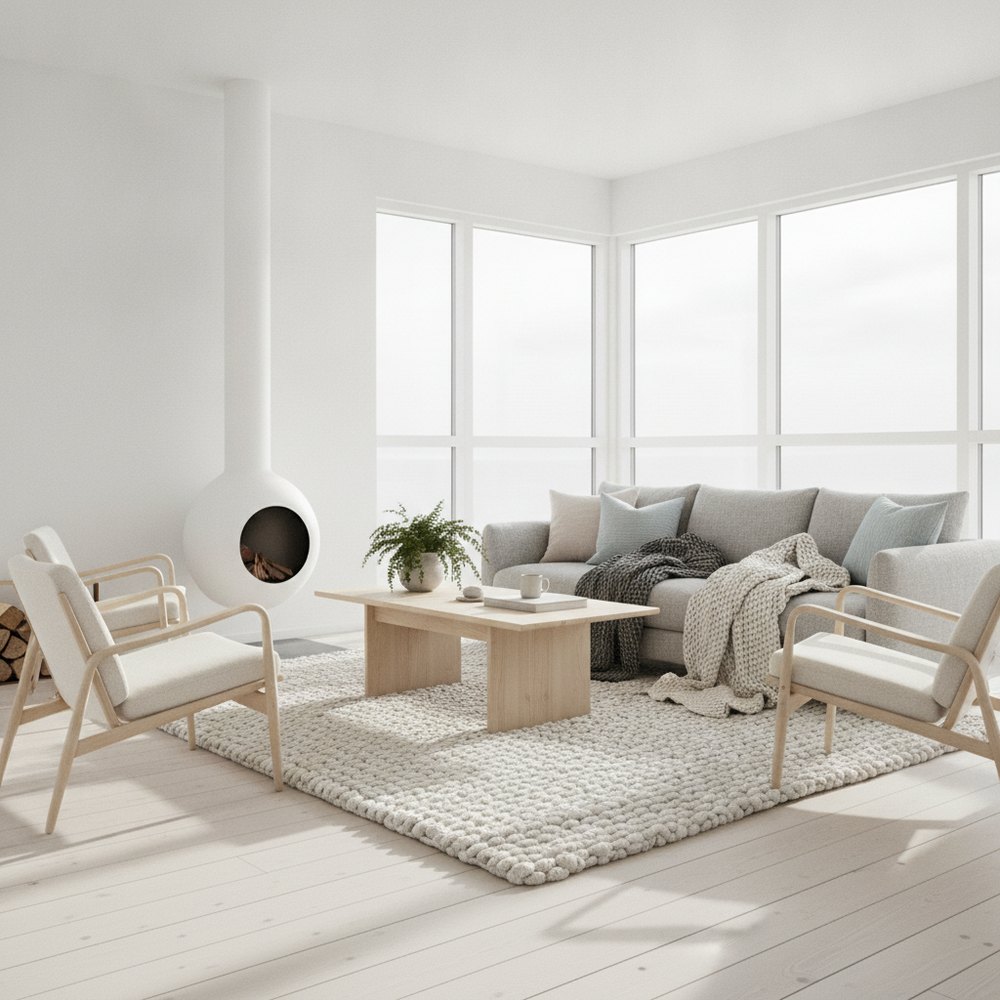
French country design is built on aged natural materials, stone or terracotta floors, exposed beams, limewashed walls, a muted palette of soft blue, sage, ochre and cream, and painted timber furniture with worn edges. The restraint is what separates it from cottage kitsch: one or two patterns, generous proportions and no clutter.
What French country actually is
It is the domestic style of rural France, particularly Provence and the south-west, and its defining quality is that everything looks like it has been there a long time and been used.
The materials are agricultural: stone floors, plastered walls over thick masonry, exposed beams, and furniture built from local timber. The finishes are worn: paint rubbed back at the edges, timber that has been scrubbed rather than lacquered, linen washed soft.
What distinguishes it from English cottage style is restraint and scale. French country rooms tend to be larger, less densely patterned, and more comfortable with plain surfaces. There is usually one substantial piece, an armoire, a long table, a stone fireplace, and the room is composed around it.
The palette
Muted, dusty and sun-faded rather than bright, which is what keeps it from looking twee.
The base is cream, chalk and warm off-white on the walls, often limewashed so it varies. On top of that: soft greyed blue, sage and olive green, dusty ochre and mustard, and faded terracotta. Everything looks as though it has spent twenty years in strong sunlight.
The key discipline is to keep the colours desaturated. A bright cornflower blue reads as country cottage; the same blue greyed down reads as French. If you are choosing paint, look for the version of a colour with grey or umber in it rather than the clean one.
Black appears in ironwork and occasionally a fireplace surround, and it is useful, because a little black stops a muted scheme going soft and vague.
Furniture and patina
The furniture is where the style lives, and the finish matters more than the shape.
- A large armoire or dresser, painted and worn back, is the classic anchor piece. One per room is plenty.
- A long farmhouse table in scrubbed or oiled timber, ideally with mismatched chairs.
- Rush-seated or ladder-back chairs, which are the correct vernacular and read as authentic.
- Upholstery in plain linen rather than pattern, in cream, flax or a muted colour, with loose covers if possible.
- Nothing high-gloss. Lacquered or shiny finishes are the fastest way to break the illusion.
How to age furniture without it looking fake
Distressed furniture is where French country most often goes wrong, because the ageing is applied uniformly rather than where wear would actually occur.
Real wear happens at edges, corners, around handles, on the front of drawer fronts and along the bottom rail where feet and mops hit. It does not happen randomly across a flat panel, and it does not happen in a neat sanded stripe.
If you are painting a piece yourself, paint it properly, let it cure, then sand back only the places a hand or a foot would touch over decades. Use a chalk or mineral paint that sands to a soft edge rather than chipping. And under-do it; a piece that looks lightly worn reads as old, while a heavily distressed one reads as a craft project.
Pattern: toile, ticking and gingham
There are three traditional patterns and using one is usually enough.
Toile de Jouy, the single-colour pictorial print, is the most recognisable and the most easily overdone. It works magnificently on one surface, a pair of curtains, a headboard wall, one chair, and becomes overwhelming on several.
Ticking stripe is the workhorse and the safest: narrow stripes in blue, grey or red on cream, used on cushions, upholstery and bedding. It reads French without announcing it.
Gingham and small checks sit between the two, best in a kitchen or on small items.
The rule is one pattern leading and the rest plain, with texture, linen, rush, stone, doing the variation instead. Our guide to texture and layering covers that.
The kitchen, which is the heart of it
French country is most convincing in a kitchen, because the style is fundamentally about a room where food and family happen.
The elements: a large table in the middle rather than an island, a freestanding dresser or open shelving for crockery rather than a full run of wall units, a deep butler sink, a range cooker, and copper or brass rather than stainless steel.
Cabinetry should be painted timber in a muted colour with simple shaker or plank doors, and a stone or timber worktop. Avoid handleless doors, high-gloss anything and integrated appliances everywhere, since the style relies on things looking freestanding and individual rather than seamless.
Our modern farmhouse guide covers the closely related American cousin.
Avoiding the pastiche version
The line between French country and gift-shop French is thin, and a few things push it the wrong way.
Avoid decorative signage in French. Avoid lavender-and-rooster iconography. Avoid buying a matched set of distressed furniture, since the whole point is that pieces were acquired over time. Avoid excessive bunting, lace and doilies, which is English cottage rather than French.
What keeps it credible is restraint and quality: fewer, larger, better pieces; genuine materials; muted colour; and a certain amount of plainness. A French country room should feel slightly austere as well as warm.
Test the palette in your room
Muted colours are exactly the ones that behave unpredictably in different light, which is what makes this style hard to plan on paper.
With Decorly you can photograph your room and test limewashed walls, muted blues and greens, and aged timber against your own light before buying paint or furniture. For related styles, see modern farmhouse design and rustic interior design.
Frequently asked questions
What is French country interior design?
The rural domestic style of France, particularly Provence: stone or terracotta floors, exposed beams, limewashed walls, painted timber furniture with worn edges, and a muted palette of soft blue, sage, ochre and cream. Everything looks as though it has been used for decades.
What colours are used in French country design?
Desaturated, sun-faded versions of soft blue, sage and olive, dusty ochre and faded terracotta, over a base of cream and warm off-white. The discipline is keeping colours greyed rather than clean, since a bright blue reads as cottage while a greyed one reads as French.
How do you distress furniture so it looks authentic?
Wear only where a hand or foot would touch: edges, corners, around handles, drawer fronts and the bottom rail. Real wear is never uniform across a flat panel or in a neat sanded stripe. Use chalk or mineral paint that sands to a soft edge, and under-do it rather than over-do it.
What is the difference between French country and English cottage style?
Scale and restraint. French country rooms tend to be larger, less densely patterned and more comfortable with plain surfaces, usually composed around one substantial piece. English cottage style is denser, with more pattern, lace and small-scale detail.