Guides
Feng Shui at Home: The Practical, Non-Woo Version
July 25, 2026 · 9 min read
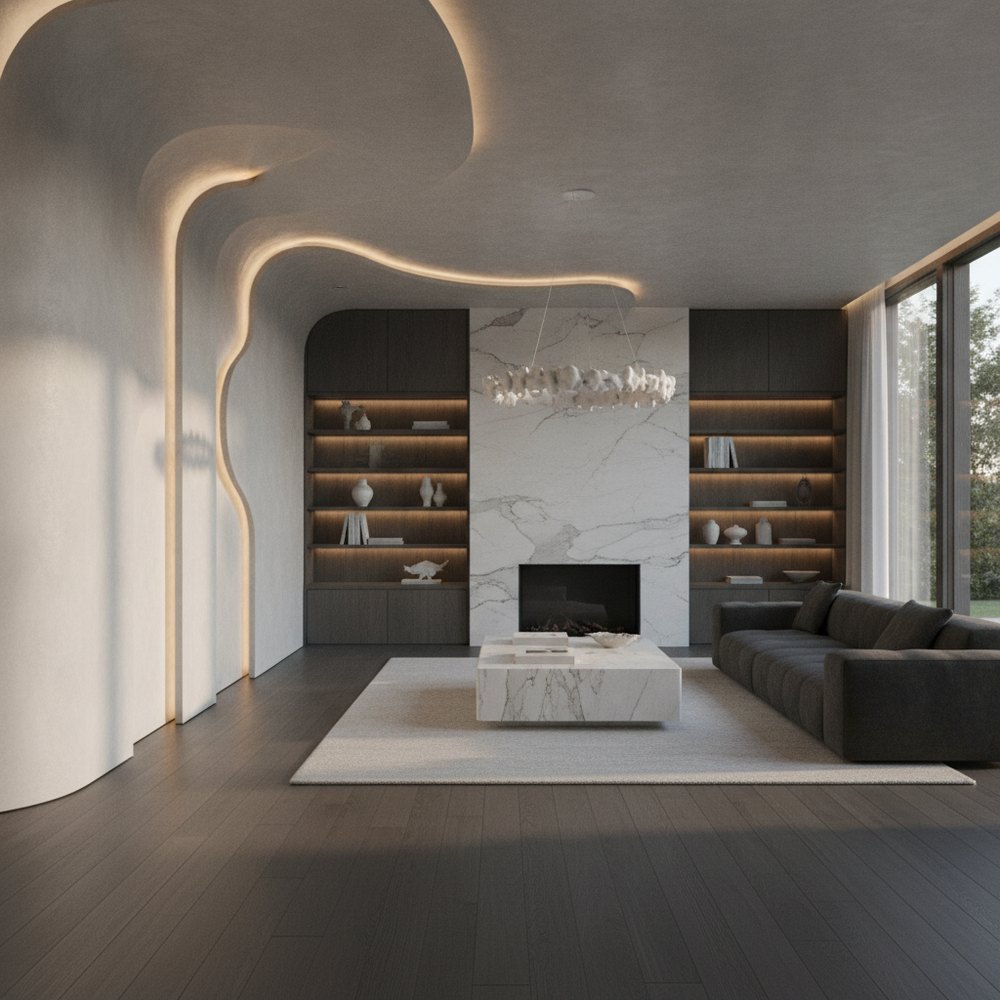
Feng shui is a centuries-old Chinese practice for arranging space so energy, or chi, flows well. You can take the metaphysics or leave it, but much of the advice is sound design sense: keep pathways clear, put the bed and desk in a position where you can see the door, cut clutter, and let in light and air. That is the useful core.
What is feng shui, minus the mysticism?
Feng shui, literally "wind-water", is an ancient Chinese art of placement built on the idea that chi, life energy, should be able to move freely and gently through a space, neither rushing nor stagnating. There is a whole cosmology attached: the five elements, the bagua map, compass directions, and plenty of it asks for belief.
You do not have to sign up to all of that to get value from it. Strip the metaphysics away and a striking amount of feng shui turns out to be observations about how rooms make people feel, dressed in older language. A cluttered, dark room where you sit with your back to the door genuinely feels worse to be in. Feng shui codified that centuries before anyone ran a study on it, and it is worth treating the tradition with some respect rather than as superstition to be laughed off.
The commanding position, the one rule to keep
If you learn a single feng shui principle, make it this one, because it holds up under any amount of scrutiny. The commanding position governs where you place the three things you spend most time at: the bed, the desk and the sofa or main seat.
The rule: position them so you can see the door without being directly in line with it. Ideally the piece sits diagonally opposite the doorway, with a solid wall behind you. The traditional explanation is that it puts you in command of the room's chi. The plainer explanation is that human beings feel uneasy when they cannot see who is entering and have their back exposed, it is old, wired-in vigilance, and no amount of modern living has switched it off. A bed you can see the door from simply lets you sleep more soundly. Try it; the effect is real.
Clutter, the thing everyone agrees on
Here feng shui and every other design philosophy shake hands. Clutter is treated as blocked, stagnant chi, energy that cannot move because too much stuff is in the way.
Translate that however you like. A cluttered room measurably raises stress, makes it harder to think and to rest, and physically obstructs the way you move through a space. The feng shui instinct to keep floors, corners, doorways and surfaces clear is simply good living, and it is the highest-value change most homes can make. Clear the path from the door into the room first, then the surfaces, then the forgotten corners where things pile up. The room will feel lighter almost immediately, whatever you choose to call the reason.
How do you get good flow through a home?
Flow is the heart of feng shui, chi should meander through a home like a gentle stream, not tear through it or pool and stagnate. In practical terms this is just circulation, and getting it right makes a home feel effortless to live in.
- Clear the pathways you should be able to walk the natural routes through each room without weaving around furniture.
- Keep the entrance open the front door is the "mouth of chi"; a cramped, cluttered hallway sets a poor tone for the whole home.
- Avoid long straight runs a hallway that fires straight at a back door lets energy rush through; slow it with a rug, a console or a plant.
- Pull furniture off the walls a little breathing space behind sofas and beds lets air, and the eye, move around them.
- Round off sharp corners soften the "poison arrows" of hard furniture edges pointing at seats or beds with planting or placement.
Light and air, the easy wins
Two of feng shui's core requirements are good light and fresh, moving air, both of which we now understand matter for wellbeing quite independently of any energy theory. They are also among the cheapest things to improve.
Let in as much natural light as you can, clean the windows, lift heavy blinds, use mirrors to bounce daylight into dark corners, and add warm lamps for the evening so no part of a room dies at dusk. Open windows regularly to keep air fresh rather than stale, and a few healthy plants both clean the air a little and, in feng shui terms, bring living, growing energy indoors. Dead or dried plants, by contrast, are discouraged, keep the greenery alive.
Balance and the five elements, the useful reading
Feng shui asks for a balance of five elements, wood, fire, earth, metal and water, each with associated colours, shapes and materials. You can go deep into this, but there is a simple, practical version that helps any room.
- Wood growth and vitality; plants, timber furniture, greens and the tall vertical shapes of a bookcase or a plant.
- Fire energy and warmth; candles, lamps, reds and oranges, and the pull of a hearth or a cluster of light.
- Earth stability and grounding; stone, ceramics, earthy tones and low, solid, square forms.
- Metal clarity and focus; steel, brass, whites and greys, and clean round or curved shapes.
- Water calm and flow; mirrors, glass, blues and blacks, and flowing, wavy forms.
- The practical takeaway a room leaning entirely on one element feels off; mixing materials, colours and shapes gives the balanced, settled feel feng shui is really after.
How do you feng shui a bedroom?
The bedroom is where feng shui matters most, because it is where you are most vulnerable and most in need of rest, so it is worth getting right first. Happily, the rules here are the most practical of the lot.
Put the bed in the commanding position, seeing the door, solid wall behind the headboard, but not directly in line with the doorway. Keep space on both sides so the bed does not jam against a wall. Banish clutter, and above all clear out anything stored under the bed, which is thought to disturb rest and, at the very least, gathers dust beneath your head. Avoid mirrors facing the bed, ease off screens and work, and keep the palette calm. Our cosy bedroom ideas and furniture placement guide line up neatly with all of this.
How can you test a feng shui layout before moving everything?
Rearranging a room to improve its flow means shifting heavy furniture, often several times, to find the arrangement that actually feels right. That is a lot of effort for something you cannot fully judge until it is done.
With Decorly you upload a photo of your room and see it restyled with a cleaner, better-flowing layout, the bed or desk in the commanding position, pathways clear, in seconds, while keeping your real proportions, windows and doors. It lets you test a calmer, more balanced arrangement before you drag the wardrobe across the floor. For the principles behind it, our furniture placement guide goes step by step.
Frequently asked questions
What is feng shui in simple terms?
Feng shui is an ancient Chinese practice of arranging a home so energy, or chi, flows freely and gently. Beneath the metaphysics, much of it is practical wisdom about clear pathways, good light and air, minimal clutter, and placing furniture where a room feels calm and secure to be in.
What is the commanding position in feng shui?
It is placing your bed, desk or main seat so you can see the door without being directly in line with it, ideally diagonally opposite with a solid wall behind you. Beyond the traditional reasoning, it works because people feel more at ease when they can see who is entering and are not exposed from behind.
How do I feng shui my bedroom?
Put the bed in the commanding position, with a view of the door, a solid wall behind the headboard and space on both sides. Remove clutter, especially anything stored under the bed, avoid mirrors facing the bed, keep screens and work out, and use a calm, restful palette.
Does feng shui actually work?
If you mean summoning fortune through compass directions, that asks for belief. But the core advice, clear flow, good light and air, minimal clutter and secure furniture placement, genuinely makes homes feel calmer and more comfortable, which most people experience as things working better. Take the practical core and treat the rest as you wish.
What is the most important feng shui rule?
Two stand out: keep clutter down so energy and you can move freely, and place the things you use most, bed, desk, sofa, in the commanding position where you can see the door. Both hold up entirely without any belief in chi, which is why they are the ones worth keeping.