Styles
Cottagecore Interior Design: Soft, Nostalgic and Not Remotely Twee
July 25, 2026 · 8 min read
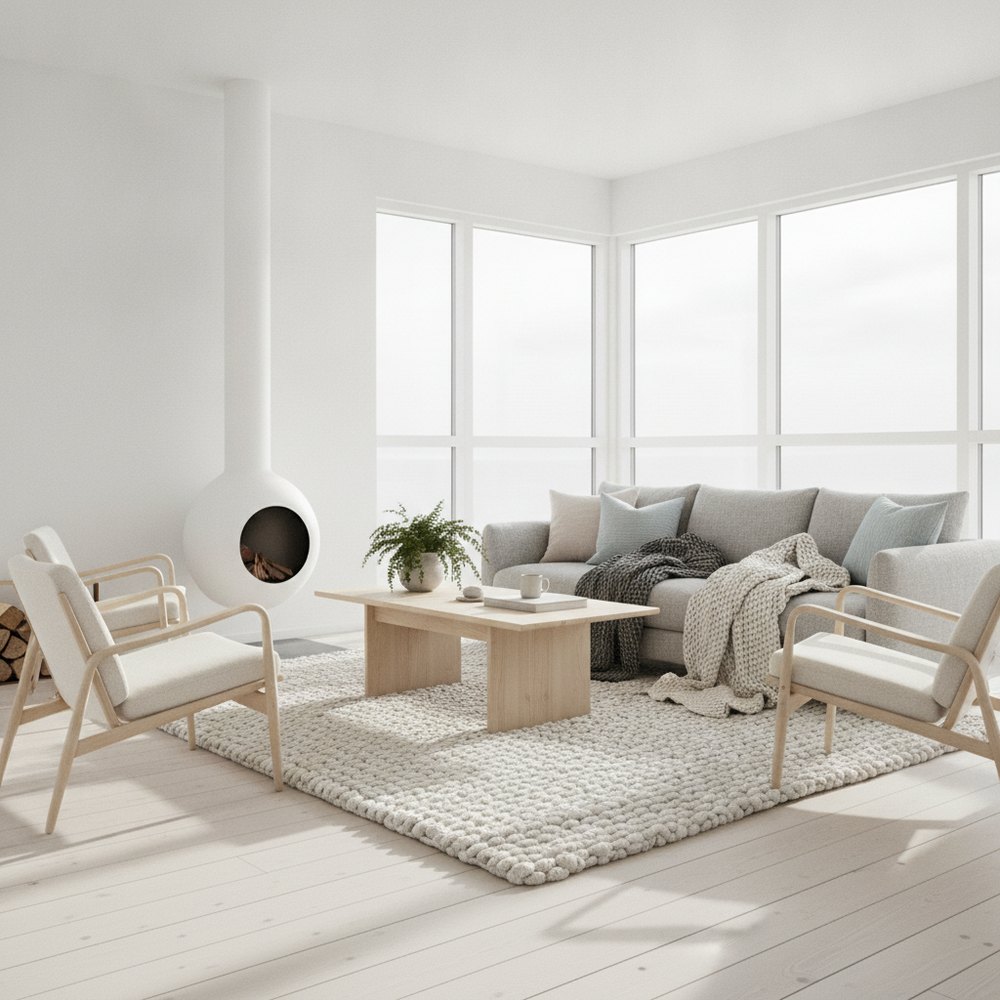
Cottagecore interior design is soft, nostalgic and homely — vintage furniture, floral prints, natural materials and a lived-in warmth that feels like a country cottage. Done well it's genuinely lovely. Done badly it tips into twee: chintz overload, too many knick-knacks, and a room that feels like a gift shop. The difference is restraint and a bit of real texture.
What makes a room cottagecore
At its heart, cottagecore is nostalgia you can sit in. It borrows from the English country cottage — worn timber, faded florals, gingham, well-loved furniture — and adds a soft, slightly romantic, back-to-nature feeling.
The materials do most of the talking. Solid wood with visible grain, warm terracotta, aged brass, linen and cotton in prints rather than plains, wicker and rush, plenty of green from real plants. Nothing looks new or precious. Everything looks like it's been used and loved, which is the whole appeal.
It's a cousin of modern farmhouse and rustic, but softer and more feminine than either — more floral teacup than reclaimed scaffold board.
The twee trap, and how to avoid it
Let's be honest about the risk. Cottagecore is one bad decision away from looking like a tearoom that hasn't been updated since 1987. The twee version is all frills and no discipline.
The fix isn't to strip out the charm — it's to edit it and ground it. A few strong, characterful pieces will always beat a hundred small cutesy ones.
- Pick one hero floral and let it lead — a big blowsy print on the curtains or one armchair — rather than florals on everything at once.
- Ground all that softness with something darker and heavier: an inky-green wall, a black cast-iron fireplace, a worn leather stool. Contrast stops it going saccharine.
- Cull the ornaments. A row of dust-collecting figurines reads as clutter, not charm. Keep the pieces with real meaning.
- Mix in genuinely old things — a scuffed vintage dresser, an inherited quilt — so it doesn't look like a themed shop bought in one go.
- Avoid the matchy 'cottage collection' bought as a set. Cottagecore should look gathered over decades, not ordered in one delivery.
Colours and prints that work
The palette is soft but not weak. Think muted, slightly dusty versions of natural colours — sage and olive greens, warm creams, faded rose, butter yellow, terracotta, soft duck-egg blue.
For prints, ditsy florals, gingham, ticking stripe and toile all belong here, but you can't use them all at once. Our rule of thumb: pick two patterns that share a colour, keep them different in scale (one large, one small), and let plain textured linens carry the rest. A big floral curtain, a small gingham cushion, and everything else calm. That's a room; four competing prints is a jumble sale.
Furniture: buy old, buy honest
This is where cottagecore gets fun and cheap, because charity shops, salvage yards and marketplace listings are full of exactly the right stuff.
Look for solid wood pieces with age on them — a pine dresser, a spindle-back chair, a small round tilt-top table. Painted furniture is welcome, and a chalky repaint in a muted green or off-white is a weekend job that rescues a tired find. Upholstered pieces want soft, slightly rolled shapes rather than anything sharp or modern. A wingback or a squashy roll-arm sofa in a faded linen is peak cottagecore. Skip anything glossy, chrome or overtly contemporary — it fights the whole mood.
Softness, layers and the lived-in feel
Cottagecore is a layering style. Bare and minimal is the opposite of what you want here — the cosiness comes from stacking soft, tactile things.
Layer a jute or wool rug under a smaller vintage one. Pile cushions in mixed prints. Drape a quilt or a crocheted throw over the arm of the sofa. Put up open shelves with a mix of crockery, books and trailing plants rather than styled emptiness. The look you're after is 'someone lives here happily', not 'this was staged this morning'. If you want more on building that warmth, our hygge home ideas and texture and layering pieces are close relatives.
Cottagecore in a modern flat
You don't need beams and a thatched roof. A modern box of a flat can absolutely go cottagecore — you just lean harder on soft furnishings and portable charm rather than architecture.
Bring in warmth through fabric: full-length linen curtains (hung high and wide to soften plain windows), a deep textured rug, plenty of cushions. Add a few pieces of real vintage furniture to break up the newness. Swap harsh overhead lighting for warm lamps. Get plants going on every surface. Renters can do most of this without touching a wall — see our renter-friendly decorating guide for the reversible tricks. It's honestly one of the friendlier styles for a rented space, because the charm lives in the movable things.
Frequently asked questions
What's the difference between cottagecore and farmhouse style?
They overlap, but cottagecore is softer, more floral and more romantic, while modern farmhouse leans cleaner, more neutral and a bit more rustic-industrial. Cottagecore embraces pattern and colour; farmhouse tends towards shiplap, greys and whites. Think faded rose florals versus scrubbed grey timber.
How do I do cottagecore without it looking twee?
Edit hard and add contrast. Use one hero floral rather than florals everywhere, ground the softness with something dark and heavy, cull the small ornaments, and mix in genuinely old pieces so it looks gathered rather than bought as a set. Restraint is what keeps it charming rather than cutesy.
What colours are best for a cottagecore room?
Soft, dusty naturals: sage and olive greens, warm cream, faded rose, butter yellow, terracotta and duck-egg blue. Keep them muted rather than bright, and let a couple of darker grounding tones stop the scheme from feeling washed out.
Can cottagecore work in a modern apartment?
Yes, and it's one of the easier styles for a flat because the charm comes from movable things. Lean on linen curtains, layered rugs, vintage furniture, warm lamps and lots of plants rather than architectural features. Most of it is renter-friendly and needs no structural change.
Where do I find cottagecore furniture cheaply?
Charity shops, salvage yards, car boot sales and online marketplaces are ideal, because you actually want pieces with age and character. Look for solid wood dressers, spindle chairs and roll-arm sofas, then repaint tired finds in a chalky muted colour if needed.