Guides
AI Virtual Staging: How to Sell Homes Faster
July 12, 2026 · 9 min read
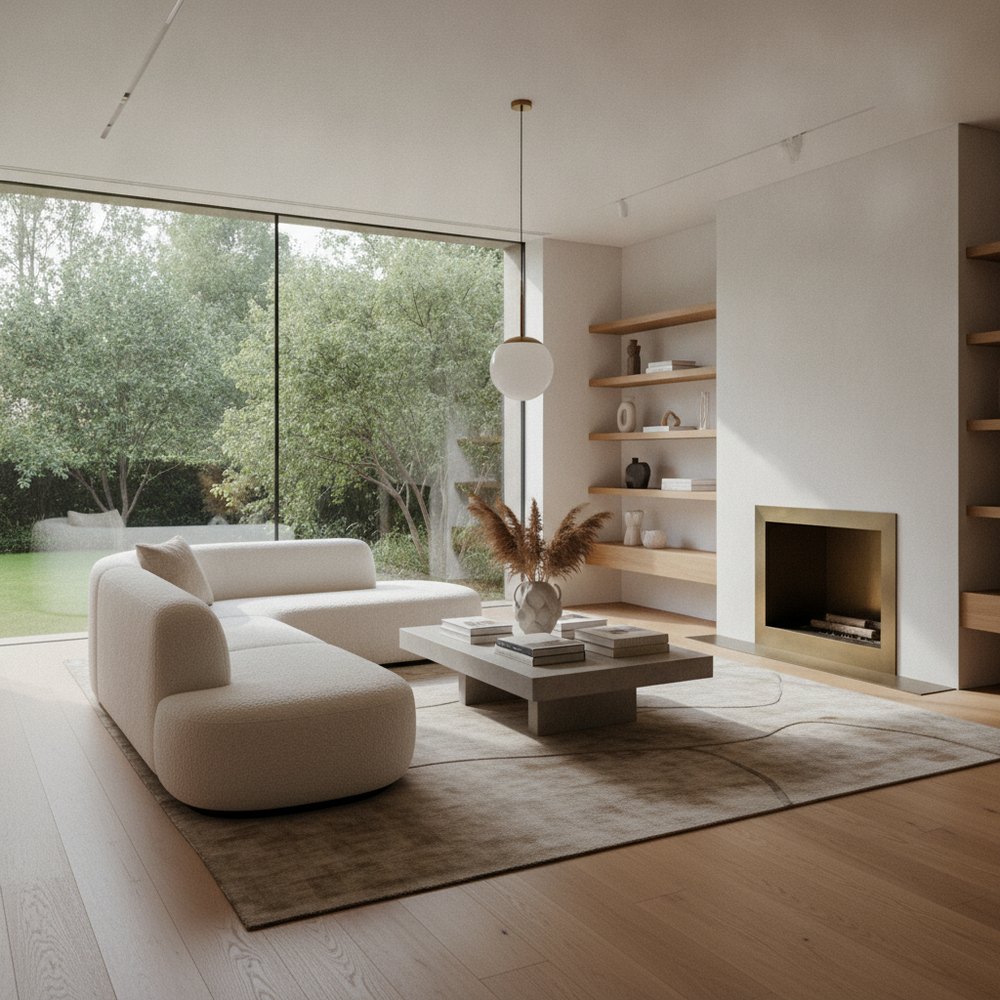
AI virtual staging digitally furnishes an empty or dated room in a listing photo so buyers can picture living there. Staged listings tend to attract more interest and sell faster than empty ones, and AI does it in minutes for a fraction of the cost of physical staging.
What is AI virtual staging?
Virtual staging is the practice of adding furniture, decor and styling to a property photo using software instead of moving real furniture into the home. AI virtual staging automates this, generating realistic furnished rooms from a photo of the empty or outdated space while keeping the room's true architecture intact.
The goal is emotional: an empty room feels small and hard to read, while a staged room helps a buyer imagine their life there. Because it works on the photo rather than the physical property, it is fast, cheap and easy to revise.
Why do staged listings sell faster?
Buyers struggle to judge scale and purpose in an empty room. Staging removes that friction by showing how a space works, which keeps people looking longer and helps a listing stand out in a crowded feed of thumbnails.
Staged photos also earn more clicks online, where most buyers first meet a home. A stronger first impression means more viewings, and more viewings tend to mean a faster sale and stronger offers. AI simply makes that advantage affordable for every listing, not just premium ones.
AI virtual staging vs traditional staging: which wins?
Physical staging and AI staging solve the same problem in very different ways. The right choice depends on budget, timeline and whether buyers will walk the property in person.
- Cost — AI staging costs a small fraction of physical staging, which involves rental furniture and labour.
- Speed — AI turns around staged photos in minutes; physical staging takes days to schedule and set up.
- Flexibility — AI lets you restyle a room in several looks instantly to appeal to different buyers.
- In-person impact — Physical staging still helps at viewings, because AI only changes the photo, not the actual empty room.
- Best use — Many agents combine both: AI for online reach, light physical staging for key in-person spaces.
Is AI virtual staging ethical, and must you disclose it?
Virtual staging is legitimate marketing, but honesty is non-negotiable. The core rule is simple: never alter the permanent features of a property. You may add furniture and decor, but you must not remove damage, hide defects, change wall condition, or invent features that are not there.
Best practice, and often a requirement of local real estate rules and platforms, is to label staged photos clearly as 'virtually staged' and to include at least one unedited photo of the real, empty room. Transparency protects buyers, protects you from complaints, and keeps trust intact when people arrive for a viewing.
How do you virtually stage a listing step by step?
A repeatable workflow keeps results consistent across a whole portfolio of listings. Follow these steps for clean, believable staging.
- 1Shoot the empty room straight-on, in daylight, with a level camera and the whole space in frame.
- 2Choose a style that suits the property and its likely buyer, such as Scandinavian for bright modern flats.
- 3Generate the staged render with a photo-based tool like Decorly that preserves the real layout.
- 4Right-size the furniture so scale reads true; oversized pieces make rooms look smaller, not larger.
- 5Label the image as virtually staged and keep an unedited original alongside it.
- 6Publish a mix of staged and real photos so the listing is both appealing and honest.
What are the best practices for realistic staging?
Bad virtual staging is obvious and it damages trust. These habits keep renders believable enough that buyers focus on the home, not the editing.
- Match the light — Furniture shadows and colour temperature should agree with the room's real lighting.
- Keep scale honest — Stage rooms with furniture that genuinely fits, so viewings match the photos.
- Style for the buyer — Neutral, broadly appealing schemes beat bold personal taste for mass-market listings.
- Do not hide flaws — Never use staging to mask damp, cracks or damage; it invites disputes.
- Stay consistent — Use one coherent style per home so the listing feels like a single property.
Who benefits most from AI virtual staging?
AI staging is a clear win for agents listing vacant homes, sellers on a tight marketing budget, and anyone flipping a property who wants strong photos without furniture rental. It also helps developers show unfurnished new-builds and lets landlords present empty rentals attractively.
For any of these, the maths is compelling: a small subscription replaces a large staging invoice, and you can restyle a room as often as you like. If you list even a handful of properties a year, a photo-based tool such as Decorly pays for itself on the first listing.
Frequently asked questions
What is AI virtual staging?
It is the use of AI software to digitally furnish a property photo, adding realistic furniture and decor to an empty or dated room while keeping the real architecture intact, so buyers can picture living there.
Does virtual staging help sell homes faster?
Yes. Staged photos help buyers judge scale and purpose, earn more clicks online and lead to more viewings. Because AI makes staging cheap and fast, every listing can gain that advantage, not just premium ones.
Do I have to disclose virtual staging?
You should always label staged photos as virtually staged and include an unedited photo of the real empty room. Many platforms and local rules require it, and transparency prevents disputes at viewings.
Is AI staging cheaper than traditional staging?
Significantly. Physical staging involves rental furniture and labour over several days, while AI staging costs a small subscription and produces results in minutes, with the option to try several styles instantly.
Can virtual staging hide a property's flaws?
No, and it must not. You may add furniture and decor, but altering permanent features or hiding defects such as damage or damp is unethical and often against platform rules. Stage honestly and disclose it clearly.