Guides
AI Interior Design vs Traditional Designers: An Honest Comparison
July 12, 2026 · 10 min read
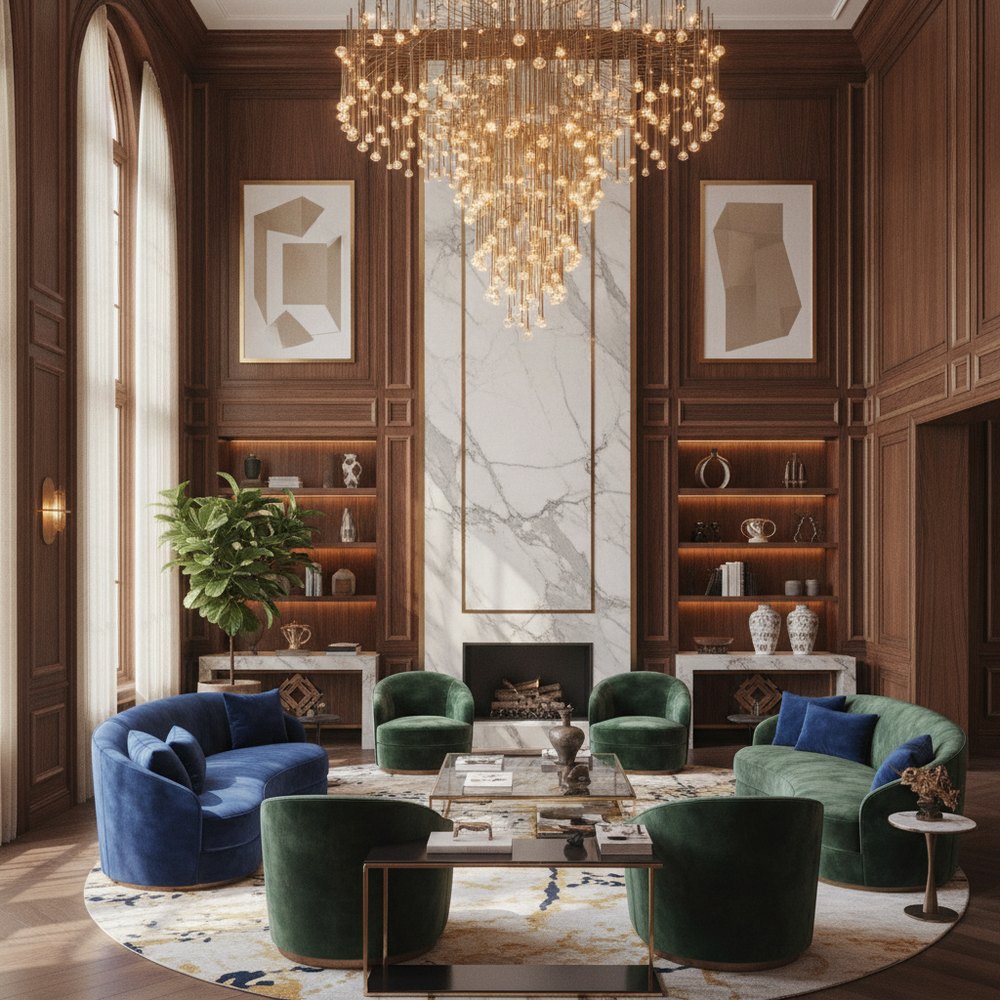
AI interior design gives you instant, low-cost visualisations of restyled rooms from a single photo, while a traditional designer offers bespoke judgement, sourcing and project management. AI wins for speed, exploration and budget; humans win for complex builds, procurement and accountability. Most people get the best result by combining both.
What is the real difference between AI and a traditional designer?
The core difference is judgement versus generation. An AI tool takes your photo and produces polished restyled images in seconds, letting you see a room in dozens of directions before you commit to anything. A traditional interior designer brings years of trained taste, spatial reasoning and relationships with trades and suppliers.
Put simply, AI is brilliant at showing you what a space could look like, while a human designer is responsible for making it actually happen. One is a visualisation engine; the other is a service that carries risk, sourcing and site coordination on your behalf.
How do they compare on cost?
Cost is where the gap is widest. A quality AI tool such as Decorly costs a subscription in the range of a few pounds a month, and you can regenerate a room as many times as you like. There is no per-room fee and no hourly clock ticking.
A traditional designer is a professional service and priced accordingly. Typical models include hourly rates, a flat room fee, or a percentage of the overall project budget. For a full room this often runs into the hundreds or thousands, before any furniture is bought.
- AI design: low fixed subscription, unlimited restyles, no sourcing included.
- Hourly designer: flexible but unpredictable; small questions still cost money.
- Flat-fee per room: clearer budgeting, usually covers concept plus a revision or two.
- Percentage of budget: common on larger renovations; aligns designer with spend.
Which is faster, and does speed matter?
AI is dramatically faster. You can photograph a room, upload it and see a finished-looking restyle within a minute, then iterate through styles the same evening. That immediacy changes how you make decisions, because you explore instead of guessing.
A designer works to a human timeline of briefs, site visits, mood boards and revisions, often spread over weeks. That slower pace is not a flaw; it reflects real sourcing, measuring and coordination. But if you simply want to decide on a look this weekend, AI is unmatched.
What about accuracy and layout?
This is the most important technical point. The best AI tools preserve your real room, keeping windows, doors, proportions and the camera angle intact so the result is genuinely yours rather than a generic showroom. Weaker generators hallucinate new walls or move openings, which makes the image useless for planning.
A human designer, by contrast, works from measured surveys and can account for services, structure and building regulations that no photo reveals. If your project involves moving walls or plumbing, that human accuracy is essential and AI visuals are only a starting brief.
Which gives better personalisation?
Both personalise, but differently. AI personalises through iteration: you try Scandinavian, then Japandi, then something warmer, and steer towards what feels right. The personalisation comes from your own rapid feedback loop rather than a conversation.
A designer personalises through dialogue, learning how you live, cook, host and relax, then translating that into choices you might never have articulated. For emotionally complex spaces, or when you genuinely do not know what you want, that human interpretation is hard to replicate.
When does each option win?
There is no universal winner; it depends on your project. Use this quick breakdown to place yourself.
- Choose AI when: you want to explore styles fast, set a direction, decorate or refresh a room, or brief trades and family with clear visuals on a tight budget.
- Choose a designer when: you are undertaking structural work, need bespoke joinery, want full procurement and project management, or carry a high budget where mistakes are costly.
- Combine both when: you want the speed of AI to decide the look, then a professional to execute the build with accountability.
How do you combine AI and a designer effectively?
The smartest approach for many renovations is a hybrid one. Use AI first to generate a clear visual direction and to narrow endless options down to two or three you love. This turns a vague feeling into something you can point at.
Then bring that visual to a designer or contractor as a concrete brief. You arrive with a shared reference, the professional works faster and quotes more accurately, and you spend fewer paid hours discovering your own taste. AI reduces the expensive early ambiguity that traditional projects often struggle with.
The honest limitations of each
AI cannot measure your room, source real products, manage trades or take legal responsibility for a build. It shows a look, not a bill of materials, and it will not warn you that a radiator or joist is in the way.
A traditional designer cannot match AI on speed, price or the sheer number of options you can compare. Their taste is also personal, so a poor match on chemistry can be costly. Knowing these limits lets you brief either one realistically.
Frequently asked questions
Is AI interior design as good as hiring a designer?
For visualising a restyle it is often just as convincing and far faster, but it is not a like-for-like replacement. A designer adds measured accuracy, sourcing, project management and accountability that AI cannot provide, so the best choice depends on whether you need pictures or a managed build.
Is AI interior design cheaper than a traditional designer?
Yes, substantially. AI tools typically cost a low monthly subscription with unlimited restyles, while traditional designers charge hourly, per room or as a percentage of budget, often running into hundreds or thousands before furniture.
Can I use AI and then still hire a designer?
Absolutely, and it is often the smartest route. Use AI to decide your direction and narrow the options, then hand those visuals to a designer or contractor as a precise brief, which saves paid hours and produces more accurate quotes.
Does AI interior design keep my actual room layout?
Good tools do. Decorly preserves your windows, doors, proportions and camera angle so the redesign is genuinely of your room, whereas weaker generators invent new layouts that are useless for real planning.
When should I skip AI and go straight to a professional?
When your project involves structural changes, moving plumbing or electrics, bespoke joinery, or a large budget where errors are expensive. In those cases AI is still useful for the brief, but a professional must handle execution.