Guides
Is AI Interior Design Worth It? An Honest Decision Guide
July 12, 2026 · 9 min read
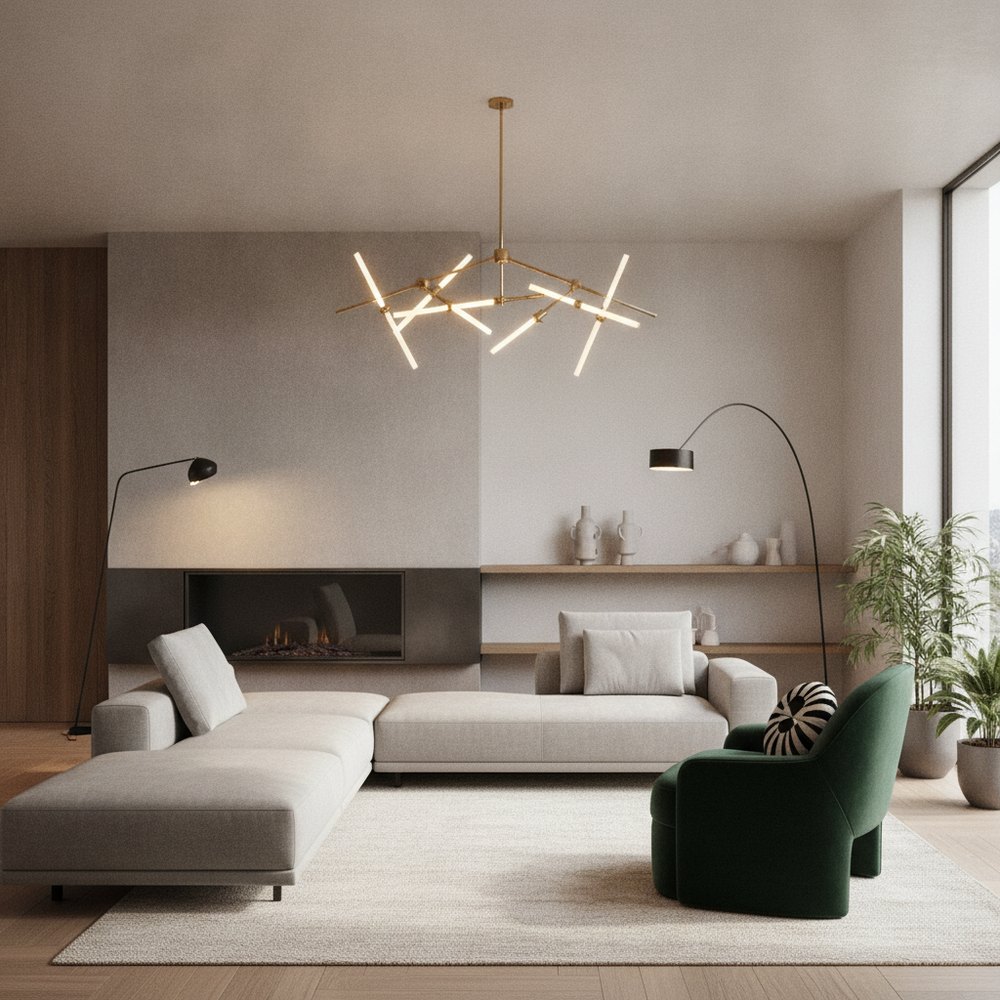
For most homeowners and renters, AI interior design is worth it: for the price of a coffee you can visualise your actual room in dozens of styles in minutes, making confident decisions before spending on furniture or trades. It is not a substitute for structural work or sourcing, but as a decision and inspiration tool it delivers outsized value.
What is AI interior design genuinely good at?
AI interior design excels at turning a single photo of your room into polished, restyled visuals almost instantly. Its real strength is exploration: you can see your own space as Scandinavian, industrial or minimalist within minutes and compare them side by side, something that is slow and expensive any other way.
It is also excellent at building confidence. Seeing a convincing render of a change removes the fear of committing to a bold wall colour, a new layout or a different style, so you buy and decorate with far less doubt.
- Style exploration: try many looks on your real room without commitment.
- Fast iteration: regenerate instantly until something clicks.
- Decision confidence: see before you spend on paint or furniture.
- Communication: show partners, families or trades exactly what you mean.
What are its honest limitations?
AI generates images, not a project. It will not measure your room, produce a shopping list of exact products, manage a renovation or account for hidden structure, plumbing and wiring. Treat the output as a vivid concept, not a construction plan.
Quality also varies by tool. Cheaper generators often distort layouts, invent windows or produce impossible furniture. The value depends heavily on choosing a tool that preserves your real space and renders believable results.
How realistic are the results?
With a strong tool, results are surprisingly realistic and directly usable for planning. The key marker of quality is layout preservation: Decorly keeps your windows, doors, proportions and camera angle so the redesign is unmistakably your room, not a generic showroom photo.
You should still expect to interpret rather than copy. Specific products in a render may not exist to buy exactly as shown, so use the image for style, palette and arrangement, then source real equivalents that fit your budget.
Who benefits most from AI interior design?
AI design pays off most for people making style decisions on a budget or a deadline. If you are choosing a direction rather than knocking down walls, the value is immediate.
- Renters: visualise reversible refreshes without touching the structure, ideal alongside renter-friendly decorating.
- Budget decorators: avoid costly mistakes by testing paint and furniture virtually first.
- Undecided homeowners: narrow overwhelming choice down to a clear favourite.
- Sellers and hosts: stage rooms attractively for listings and photos.
- DIY renovators: create a clear visual brief before buying materials.
What expectations should you set?
Go in expecting a fast, inspiring visualiser rather than a finished interior. The right mindset is that AI compresses weeks of indecision into an evening of exploration, giving you a direction you trust.
Expect to do the practical steps yourself or with trades: measuring, sourcing, ordering and installing. When you separate what AI does well from what you still own, satisfaction is high and disappointment is rare.
Is it worth paying for, or is free enough?
Free tools are fine for a quick curiosity test, but they usually add watermarks, cap the number of designs and often skip layout preservation, which undermines the whole point. If you are making a real decision, those limits get frustrating fast.
A modest paid plan such as Decorly removes watermarks, unlocks unlimited restyles and keeps your true layout. Weighed against even one avoided furniture mistake, the subscription typically pays for itself immediately.
The verdict: is it worth it?
For visualising, deciding and communicating a design, yes, comfortably. The combination of speed, low cost and unlimited iteration makes AI interior design one of the highest-value tools available to anyone refreshing a home.
It is not worth treating as a full design-and-build service, because that is not what it is. Judge it as a decision engine and it consistently delivers; expect it to run your renovation and it will disappoint. Match the tool to the job and it is well worth it.
Frequently asked questions
Is AI interior design actually worth paying for?
For most people, yes. A low monthly subscription unlocks unlimited restyles, removes watermarks and preserves your real layout, and avoiding even a single expensive furniture or paint mistake usually covers the cost several times over.
What can AI interior design not do?
It cannot measure your room, source exact products, manage a renovation or account for hidden structure, plumbing and wiring. It produces visual concepts, not construction plans or shopping lists, so those practical steps remain yours or your trades'.
Are AI interior design results realistic?
With a quality tool they are realistic enough to plan from, especially when the tool preserves your windows, doors and proportions. Use the render for style, palette and layout, then source real equivalents rather than expecting the exact items shown.
Who gets the most value from AI interior design?
Renters, budget decorators, undecided homeowners, DIY renovators and anyone staging a home for sale or listing. If you are making style decisions rather than structural changes, the value is immediate.
Is free AI interior design good enough?
For a quick test, sometimes. But free tools often add watermarks, limit designs and skip layout preservation, so for any real decision a modest paid plan is far more useful and usually pays for itself quickly.