Styles
Mid-Century Modern Design: The Complete Guide
July 12, 2026 · 10 min read
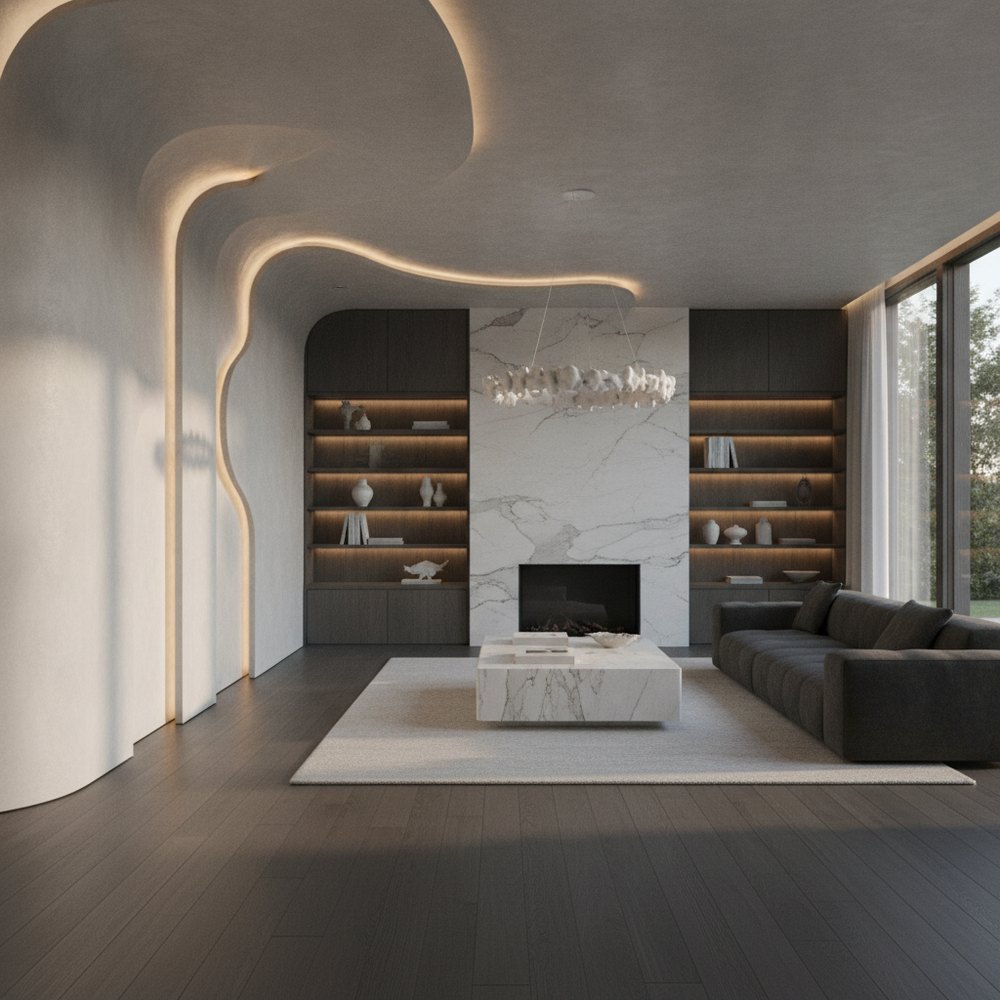
Mid-century modern is a design style from roughly the 1940s to 1960s defined by clean lines, gently organic shapes and honest natural materials such as teak and walnut. It balances geometric silhouettes with warmth, favours function without fuss, and pairs a muted base palette with confident bursts of period colour.
What is mid-century modern design?
Mid-century modern is an interior and furniture style that emerged in the post-war decades, roughly 1945 to 1965, when new manufacturing methods, optimism and a hunger for simplicity reshaped how homes looked. It prizes function, clean geometry and a democratic idea that good design should be affordable and everyday.
The look grew from the earlier Bauhaus and Scandinavian movements, then took on a distinctly American, sun-and-suburbs character through designers working on the West Coast. Think open-plan living, floor-to-ceiling glass and furniture that sits low and light, as if the room could breathe around it.
What makes the style endure is its restraint. Nothing is ornate, yet nothing is cold, because organic curves and warm timber soften the geometry. That balance is why a genuine mid-century piece still looks current in a room built decades later.
Where did mid-century modern come from?
The movement's roots lie in European modernism, particularly the Bauhaus school, whose emigre designers carried its principles to the United States and Scandinavia. There, the austerity of early modernism was warmed by natural wood and a more relaxed, human sensibility.
Post-war prosperity and new materials, moulded plywood, fibreglass, tubular steel and foam, let designers shape furniture in ways that had never been possible. The result was a wave of iconic pieces that prioritised comfort and mass production without sacrificing beauty.
- Bauhaus roots the belief that form follows function and ornament is unnecessary.
- Scandinavian warmth a love of pale and honey-toned timber and craft-led simplicity.
- New materials moulded plywood, fibreglass, plastics and steel enabling organic shapes.
- Post-war optimism open, light-filled homes designed for informal, modern living.
What are the defining features of mid-century modern?
Mid-century modern is instantly recognisable once you know its hallmarks. The style marries strict geometry with soft, organic forms, so a room feels ordered but never rigid. Furniture is typically raised on slim, tapered or splayed legs, keeping sightlines open and floors visible.
Above all, the style celebrates materials honestly. Wood grain is shown, not hidden; a leg is a leg, not a carved flourish. This clarity is the thread that ties every element together.
- Clean, low horizontal lines furniture sits low with a long, grounded silhouette.
- Tapered legs slim, angled legs that lift pieces off the floor for a light feel.
- Organic plus geometric a mix of sculptural curves and crisp rectilinear shapes.
- Function first every piece earns its place; clutter and excess ornament are avoided.
- Honest materials exposed timber, leather, glass and metal shown for what they are.
- Connection to outdoors large windows and open plans that blur inside and out.
What is the mid-century modern colour palette?
The palette pairs a calm, muted base with deliberate hits of saturated period colour. Walls are often warm whites, soft greys or earthy neutrals, providing a quiet backdrop that lets timber and statement pieces sing.
Accent colours are where the era's personality shows. Draw from the tones of the 1950s and 1960s, but use them sparingly, one or two per room, so the space stays sophisticated rather than themed.
- Warm neutrals cream, oatmeal, warm white and greige for walls and large surfaces.
- Timber tones honey teak, rich walnut and oak that read as colour in their own right.
- Earthy accents mustard, ochre, burnt orange, olive green and terracotta.
- Deeper jewel notes teal, avocado and mustard for upholstery or a single wall.
- Grounding darks charcoal and black in slim metal frames and legs for contrast.
Which materials and furniture define the look?
Wood is the heart of mid-century modern, especially teak and walnut with their warm tones and visible grain. These sit alongside leather, wool, glass and lightly finished metal to create a layered but uncluttered material story.
Furniture silhouettes are the style's signature. Iconic shapes, a low sideboard, a moulded lounge chair, a tapered-leg sofa, do most of the work, so you need only a few well-chosen pieces rather than a room full of them.
- Timber teak, walnut and oak for sideboards, tables, sideboards and legs.
- Upholstery leather, boucle and wool in tan, olive, mustard or grey.
- Statement seating low lounge chairs, moulded shells and tapered-leg sofas.
- Storage long, low credenzas and sideboards with sliding or slatted fronts.
- Accents glass-topped and boomerang-shaped tables, brass and smoked glass.
How should you light a mid-century modern room?
Lighting is treated as sculpture in mid-century interiors. Fixtures are bold, graphic and often the room's focal point, balancing the restraint of the furniture with a little drama overhead.
Layer your lighting so the room can shift from bright and functional to warm and low. Warm-toned bulbs keep the mood inviting and flatter the timber tones throughout.
- Sculptural pendants globe, sputnik or saucer shapes as a ceiling centrepiece.
- Arc and tripod floor lamps graphic silhouettes that arch over seating.
- Brass and opal glass warm metals and soft diffusers over cool chrome.
- Warm bulbs a warm white colour temperature to keep the space cosy.
How do you get the mid-century modern look?
You do not need to buy vintage originals or redecorate top to bottom. Start with the bones, keep the base neutral, add a few honest timber pieces on tapered legs, then layer in one or two period colours and a sculptural light.
The fastest way to judge whether the look suits your space is to preview it on your own room before you buy anything. Upload a photo to Decorly and generate a mid-century version of your actual space, so you can test walnut tones, mustard accents and low-slung furniture against your real windows and proportions in seconds.
- Anchor with timber add one walnut or teak sideboard or table as the hero.
- Lift the furniture choose pieces on slim, tapered legs to open up the floor.
- Keep walls quiet warm neutrals let wood and accents do the talking.
- Add one bold colour a mustard chair or olive cushion set, not a whole scheme.
- Top with sculpture a graphic pendant or arc lamp completes the room.
- Preview first test the palette on your own photo with Decorly before spending.
What are common mid-century modern mistakes?
The style is easy to love and easy to overdo. The most common misstep is treating it as a theme rather than a discipline, filling a room with retro references until it reads as a stage set instead of a home.
- Over-theming too many period props turn a room into a museum pastiche.
- Matching everything a single furniture set looks like a showroom, not a home.
- Ignoring warmth all geometry and no timber leaves the space cold.
- Overcrowding the style needs negative space; do not fill every corner.
- Wrong scale oversized modern sofas break the low, light mid-century line.
Frequently asked questions
What years define mid-century modern design?
Mid-century modern spans roughly 1945 to 1965, though its influence stretches slightly either side. It grew out of post-war optimism and new manufacturing techniques, and its clean, functional aesthetic has stayed popular ever since.
What is the difference between mid-century modern and modern?
Modern is a broad term for pared-back, function-led design across many eras. Mid-century modern is a specific mid-20th-century chapter of it, distinguished by organic curves, tapered legs, warm timbers such as teak and walnut, and period accent colours.
What colours work best for mid-century modern?
Use a calm base of warm whites, greys and earthy neutrals, then add one or two saturated accents such as mustard, burnt orange, olive or teal. Rich timber tones act as a colour of their own throughout the scheme.
Can I get a mid-century modern look on a budget?
Yes. Focus on a few honest pieces rather than a full set, look for tapered-leg furniture and warm wood, and keep walls neutral. Preview the palette on your own room with an AI tool like Decorly first so you only buy what genuinely works.
Is mid-century modern still in style in 2026?
Very much so. Its clean lines, warmth and comfort keep it relevant, and it blends easily with contemporary and organic-modern rooms. The style has proved remarkably timeless rather than a passing trend.