Styles
Mediterranean Interior Design: Getting the Light and Materials Right
August 8, 2026 · 9 min read
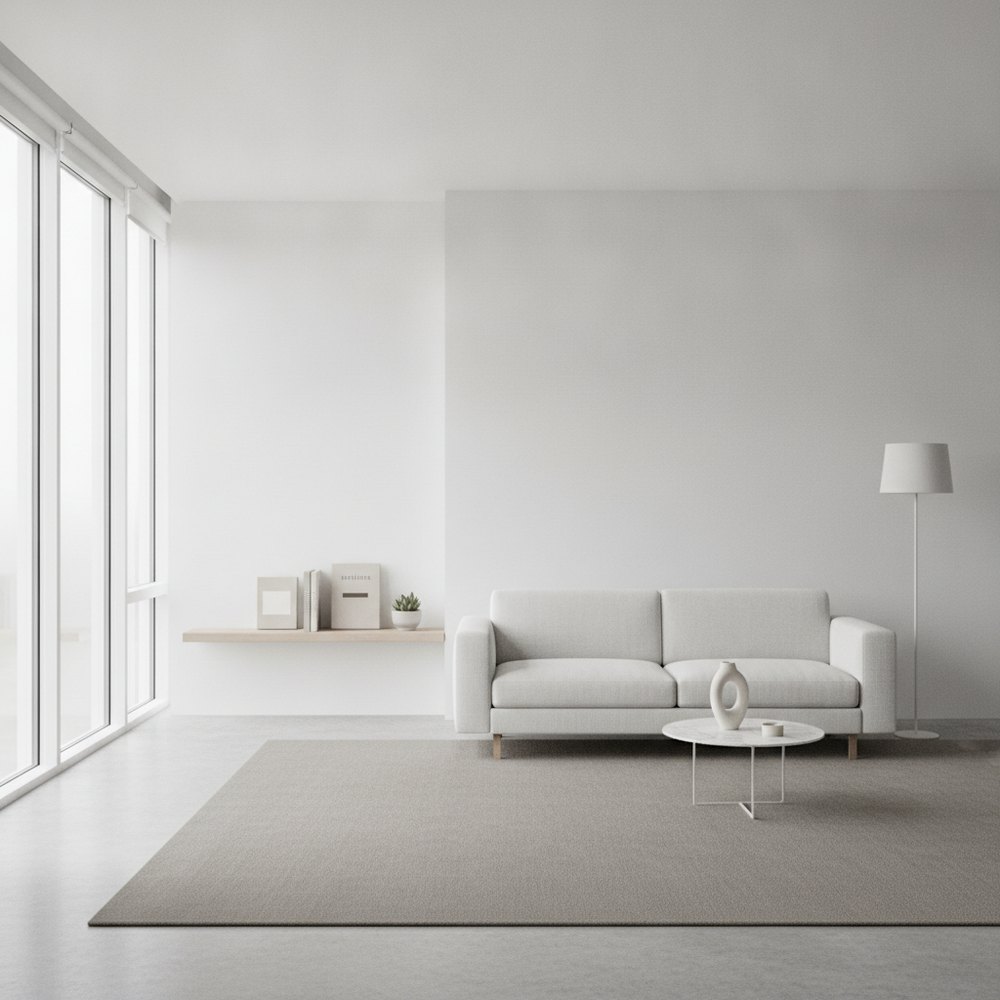
Mediterranean interior design is defined by textured plaster or limewash walls, terracotta or stone floors, unfinished timber, arched openings and a warm earth-toned palette. The blue-and-white version is one regional variant; the broader style is about how rough, warm materials handle strong light.
The style is about materials, not colours
Search for Mediterranean interiors and you get blue and white, which is Greek island coastal and one small corner of a much larger style.
The common thread across Spanish, Italian, southern French, Moroccan-influenced and Greek interiors is not a palette. It is a set of materials that evolved in response to heat and light: thick lime-plastered walls that stay cool and diffuse harsh sun, unglazed terracotta and stone floors that are cool underfoot, timber left unfinished or oiled rather than lacquered, and small deep-set windows.
That is why the style feels so different from a painted plasterboard room even when the colours are identical. The texture is doing the work.
Limewash and textured plaster
If you make one change, make it this one, because it is the single element that most defines the look.
Limewash is a mineral paint applied in thin washes that dries with soft mottled variation, so the wall has depth and moves with the light rather than sitting flat. Tadelakt and polished plaster are the more expensive relatives with a smoother, waxier finish.
It is not just an aesthetic choice: lime is breathable, which suits older solid-wall buildings, and it is genuinely durable. The practical caveat is that it marks differently from emulsion and cannot be spot-touched invisibly, so it suits walls rather than high-traffic corridors.
The budget approximation is a matt chalky emulsion applied with a brush in visible strokes rather than rolled. It is not the same, and it is considerably closer than flat emulsion.
Flooring choices
The floor carries as much of the style as the walls.
- Unglazed terracotta. The definitive Mediterranean floor: warm, matt, and it develops a patina. Needs sealing and it is not a low-maintenance choice.
- Limestone or travertine. Cooler and more formal, excellent with underfloor heating, and reads as expensive.
- Reclaimed or wide-plank timber, oiled rather than lacquered, which suits the more rustic Italian and French versions.
- Encaustic or patterned cement tiles in one defined area, a hallway, a kitchen, rather than throughout.
- Large-format porcelain in a terracotta or stone effect, which is the practical modern substitute and now genuinely convincing.
The palette
Earth tones drawn from the materials themselves rather than applied over them.
The base is warm off-white, chalk, bone and sand, with the walls doing most of the work. On top of that sit the colours of the region's materials: terracotta and rust, olive and sage, ochre and mustard, and a deep warm brown from timber and leather.
Blue appears, but as one accent rather than a theme, and it is usually a dusty, greyed blue rather than a bright one. Black appears in metalwork: hinges, handles, lantern frames, window frames.
What is absent is cool grey, high-gloss anything, and pure brilliant white, all of which fight the warmth the style depends on.
Arches, niches and openings
The architectural gesture that most says Mediterranean, and it is more achievable than it looks.
A full structural arch between rooms is a building job. But an arched opening formed in plasterboard over an existing square opening, an arched niche recessed into a wall for storage or display, or an arched headboard shape are all achievable in a weekend or two and give the room the soft geometry the style relies on.
The proportions matter. A shallow segmental arch generally looks better in a room with normal ceiling heights than a full semicircle, which needs height to look right. And an arch works best when there is more than one, or when it is clearly the single deliberate gesture in the room.
Making it work in a northern climate
The honest problem: this style evolved under strong, warm, high-angle sunlight, and most of the homes trying it do not have that.
The adjustments that help are all about compensating for weaker, cooler light. Push the palette warmer than the reference images suggest, since a limewash that reads as warm white in Seville will read as grey in Manchester. Choose terracotta and warm timber over cool stone. Use warmer artificial light, 2700K, and more of it at low level.
Keep the window treatments minimal, since the style depends on the light you do have. And lean on texture heavily, because texture creates the shadow and depth that strong sunlight would otherwise provide.
Furniture and objects
The furniture is simple, low and often built-in, which is the part people miss when they try to buy the style rather than build it.
Traditional Mediterranean interiors have banquettes and built-in benches with loose cushions, low solid timber tables, rush or cane seating, and relatively little freestanding furniture. Storage is often a niche in the wall rather than a cabinet.
For objects: unglazed ceramics, olive jars, rough linen, woven baskets, a single large plant such as an olive or a fig, and iron or brass lighting. Avoid matching sets, glossy finishes and anything that looks mass-produced, since the whole appeal is handmade irregularity.
See it in your room
Limewash and terracotta are hard to judge from samples because the effect is entirely about how they respond to your light.
With Decorly you can photograph your room and see it with textured plaster walls, terracotta flooring and warmer light before committing to a specialist finish. For related styles, see modern organic interior design and coastal interior design.
Frequently asked questions
What defines Mediterranean interior design?
Textured lime-plaster or limewash walls, terracotta or stone floors, unfinished or oiled timber, arched openings and a warm earth-toned palette. It is a materials-led style that evolved in response to heat and strong light, not a blue-and-white colour scheme.
What is limewash and is it worth it?
A breathable mineral paint applied in thin washes that dries with soft mottled variation, so the wall has depth and changes with the light. It suits older solid-wall buildings and is durable, but it cannot be spot-touched invisibly, so it works better on walls than in high-traffic corridors.
Can Mediterranean style work in a cloudy climate?
Yes, with adjustments. Push the palette warmer than reference images suggest, since a limewash that reads warm in strong sun reads grey in weak light. Favour terracotta and warm timber over cool stone, use 2700K artificial light, and lean heavily on texture to create the depth sunlight would otherwise provide.
How do you add arches without building work?
Form an arched opening in plasterboard over an existing square one, recess an arched niche into a stud wall, or use an arched headboard shape. A shallow segmental arch usually looks better than a full semicircle in a room with standard ceiling heights.