Styles
Coastal Interior Design: The Complete Guide
July 12, 2026 · 9 min read
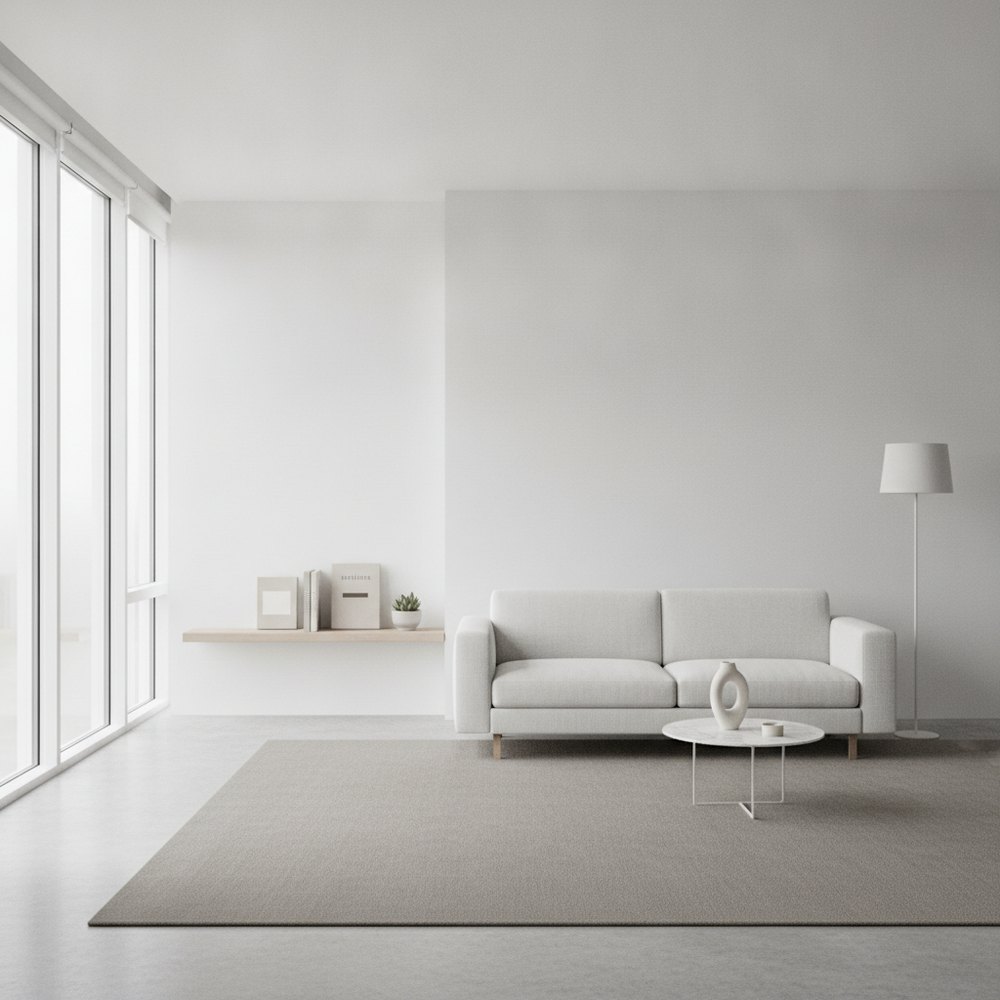
Coastal interior design brings the light, calm and openness of the seaside indoors through a soft palette of blues, whites and sandy neutrals, natural fibres such as linen, rattan and jute, and plenty of natural light. Modern coastal favours airy, relaxed rooms and quietly evokes the shore without literal nautical cliches.
What is coastal interior design?
Coastal design is a style that captures the relaxed, breezy feeling of a home by the sea. It is defined by light, airy spaces, a soft sea-and-sand palette and natural, tactile materials that evoke the shore without needing a single anchor motif.
The essence is calm. Rooms feel open and uncluttered, colours are gentle, and textures are natural and unfussy, so the overall effect is restful and unpretentious, like a long exhale at the beach.
Modern coastal has moved well beyond the seaside-cottage stereotype. Today it leans clean and contemporary, suggesting the coast through light, colour and material rather than literal props, which keeps it sophisticated and liveable year-round.
Where does coastal style come from?
Coastal design draws on the vernacular of seaside and beach homes across many regions, from breezy weatherboard cottages to sun-washed Mediterranean villas. What they share is a response to their setting: maximising light, air and views while using hard-wearing, natural materials.
Over time this evolved into several related looks, from traditional nautical cottage to the pared-back Hamptons style and today's clean modern coastal. All keep the core idea of bringing the outside in and letting the light lead.
- Seaside vernacular breezy beach cottages built for light, air and salt-tolerant living.
- Hamptons influence a relaxed but refined take in soft neutrals and blues.
- Mediterranean coastal whitewashed walls, sunlight and natural stone.
- Modern coastal a clean, contemporary evolution that suggests rather than states.
What are the defining features of coastal design?
Coastal interiors are built around light and openness. Windows are left relatively unadorned, colours stay pale and reflective, and rooms are kept airy so daylight can move freely, mirroring the brightness of the shore.
Natural materials and soft textures do the heavy lifting. Linen, cotton, rattan, jute and light woods bring in organic warmth and a lived-in ease that stops the pale palette feeling stark.
- Abundant natural light pale, reflective surfaces and minimal window dressing.
- Soft, airy palette whites, blues and sandy neutrals that feel calm and open.
- Natural fibres linen, cotton, rattan, jute and seagrass throughout.
- Light woods pale, weathered or driftwood-toned timber.
- Relaxed comfort casual, slipcovered and inviting furniture.
- Uncluttered space breathing room and a sense of ease over busy detailing.
What is the coastal colour palette?
The coastal palette is drawn straight from the shoreline: the whites of foam and sand, the blues and greens of water, and the soft neutrals of driftwood and dune grass. It is gentle, cool-leaning and restful.
Whites and off-whites usually lead, with blues as the signature accent and sandy neutrals grounding the scheme. Keeping tones soft and slightly muted is what gives modern coastal its calm, sophisticated feel.
- Whites and creams crisp and soft whites as the dominant base.
- Coastal blues from pale sky and duck-egg to deeper navy accents.
- Sea greens soft aqua, sage and seafoam for a watery calm.
- Sandy neutrals beige, greige, oatmeal and driftwood tones to ground the scheme.
- Natural texture tones the warm browns of rattan and jute for contrast.
Which materials and furniture create the look?
Texture is what keeps a pale coastal room from feeling flat. Natural, tactile materials, linen upholstery, jute rugs, rattan accents and weathered wood, add warmth and depth against the soft colours.
Furniture is relaxed and comfortable, often in slipcovered or light-toned forms that feel easy and unprecious. The mood is casual elegance rather than anything formal or heavy.
- Linen and cotton slipcovered sofas, loose covers, sheer curtains and soft bedding.
- Rattan and cane chairs, pendants, headboards and light woven accents.
- Jute and seagrass natural-fibre rugs and baskets for grounding texture.
- Light and weathered wood pale, driftwood-toned or whitewashed timber.
- Natural accents glass, ceramics, rope detailing and simple greenery.
How do you light and accessorise a coastal room?
Coastal lighting aims to feel natural and soft, extending the daytime brightness into the evening. Fixtures often use natural materials, rattan, rope, glass, and simple, airy forms.
Accessories should evoke the coast lightly, through material, colour and organic shape, rather than literal seaside motifs. This restraint is the difference between elegant modern coastal and a themed beach-shack look.
- Natural-material fixtures rattan, rope and clear-glass pendants and lamps.
- Soft, warm light layered lamps and sheer-filtered daylight for a gentle glow.
- Organic accents driftwood, ceramics, woven baskets and simple greenery.
- Subtle sea references a hint of coral, shell or stripe used sparingly, if at all.
- Airy window treatments sheer linen or light shades that keep the view and the light.
How do you get a modern coastal look without kitsch?
The secret to sophisticated coastal is suggestion over declaration. Evoke the sea through light, palette and natural texture, and skip the literal props, anchors, ship's wheels, fish nets, that tip the style into cliche.
To be sure the look suits your home before you repaint or reupholster, preview it on your own space. Upload a photo to Decorly and generate a coastal version of your actual room, so you can test soft blues, white walls and natural fibres against your real light and layout in seconds.
- Lead with light keep walls pale and windows airy so daylight dominates.
- Layer natural texture linen, jute and rattan give warmth without colour clutter.
- Use blue as an accent a considered blue palette beats an all-nautical scheme.
- Skip the cliches avoid literal anchors, ropes-as-decor and slogan signage.
- Keep it uncluttered breathing space is core to the calm coastal feel.
- Preview first test the palette on your own photo with Decorly before you commit.
What are common coastal design mistakes?
Coastal is easy to love but easy to over-literalise. Steering clear of a few traps keeps a room feeling like a calm modern home near the sea rather than a themed gift shop.
- Nautical overload too many anchors, shells and slogans read as kitsch.
- Cold and flat pale colours with no natural texture feel sterile, not serene.
- Overusing blue an all-blue scheme is heavy; use it as a considered accent.
- Heavy, dark furniture bulky dark pieces fight the light, airy intent.
- Clutter busy surfaces undermine the open, restful mood at the heart of the style.
Frequently asked questions
What is coastal interior design?
It is a style that brings the light, calm and openness of the seaside indoors through a soft palette of blues, whites and sandy neutrals, natural fibres such as linen and rattan, and abundant natural light, evoking the shore without literal nautical props.
What colours are used in coastal decor?
Coastal schemes lead with whites and creams, add blues from pale sky to navy, and layer soft sea greens and sandy neutrals such as beige and driftwood. Warm rattan and jute tones provide contrast against the cool, airy base.
What is the difference between coastal and nautical style?
Nautical is a literal, motif-heavy look with anchors, stripes and ropes. Coastal is broader and calmer, suggesting the sea through light, soft colour and natural texture. Modern coastal in particular avoids obvious props for a more sophisticated feel.
How do I make a coastal room feel modern, not kitschy?
Lead with light and a pale palette, layer natural textures such as linen, jute and rattan, use blue as an accent rather than everywhere, and skip literal seaside props. Keeping the space uncluttered is what makes it read as elegant modern coastal.
Can I preview a coastal look on my own room?
Yes. Upload a photo to an AI tool such as Decorly and generate a coastal version of your actual space. It keeps your real layout and light, so you can test the soft blues, white walls and natural fibres before repainting or buying furniture.