Styles
Maximalist Interior Design: How to Get the Look
July 12, 2026 · 9 min read
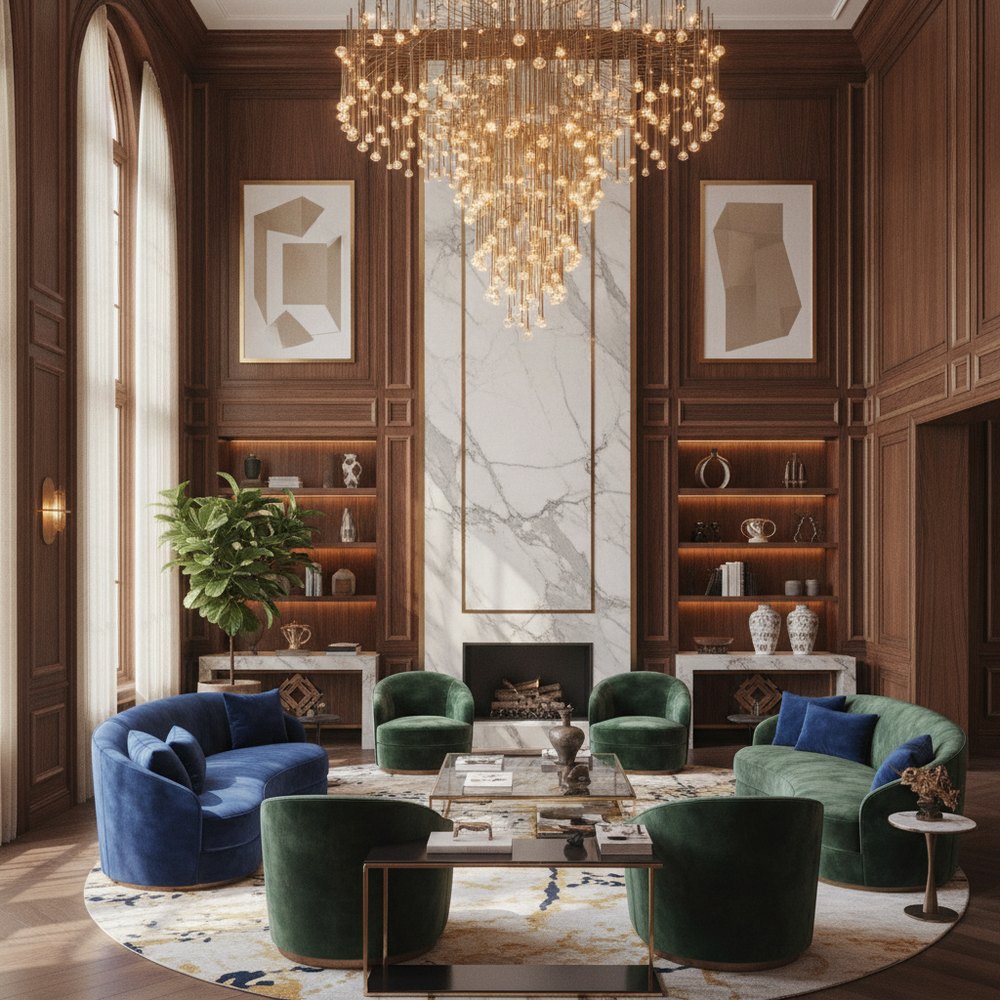
Maximalist interior design is the confident opposite of minimalism: it embraces bold colour, layered pattern, rich texture and personal collections to create rooms full of character. Done well it is curated rather than chaotic, every piece is chosen and considered, so the abundance feels intentional, not cluttered.
What is maximalist interior design?
Maximalism is a more-is-more philosophy of decorating. Rather than paring a room back to essentials, it layers colour, pattern, art and objects with confidence, treating a room as a canvas for personality, memory and collected things. The aim is richness, warmth and visual delight.
Crucially, maximalism is not the same as mess. The best maximalist rooms are tightly curated: everything earns its place, colours and patterns are chosen to work together, and there is a hidden discipline beneath the abundance. It is the difference between a considered gallery and a jumble drawer, both are full, only one is designed.
Where does maximalism come from?
Maximalism has deep roots in the ornate, layered interiors of past eras, from Victorian parlours crowded with pattern and curios to the bold, decorative rooms of the mid-twentieth century. Abundance and display have signalled personality and richness for centuries.
Its recent revival is partly a reaction against the pared-back sameness of much modern decorating. As minimalist and greige interiors became ubiquitous, many people craved rooms with story, colour and individuality again, and maximalism, in a fresh, curated form, answered that. It shares maximalism's love of pattern with bohemian style, though it tends to be bolder and more deliberate.
What colours define a maximalist palette?
Maximalism is unafraid of colour, but the best schemes are anchored rather than random. Choosing a loose colour story lets you layer boldly while keeping the room coherent.
- Rich jewel tones emerald, sapphire, ruby and amethyst for depth and drama on walls or upholstery.
- Saturated warm colours terracotta, ochre, mustard and rust to bring energy and glow.
- Deep, moody backdrops inky blues, forest greens or near-black walls that make everything else sing.
- Bold contrasts and jewel-on-jewel confident pairings held together by a repeated accent colour.
- Metallic and black punctuation brass, gold and black to sharpen and frame the colour.
Which materials, patterns and textures make the look?
Maximalism is fundamentally about layering. Pattern, texture and material are stacked deliberately so the eye always has somewhere new to travel, but a shared palette keeps it from tipping into noise.
- Mixed patterns florals, stripes, geometrics and animal print combined at varied scales for rhythm.
- Plush textiles velvet, silk, embroidery and fringing for tactile richness.
- Statement wallpaper bold prints or murals that set the tone for the whole room.
- Layered art and objects gallery walls, collected ceramics, books and travel finds displayed generously.
- Contrasting finishes glossy lacquer against matte plaster, brass against dark wood, smooth against nubbly.
How do you mix patterns without it looking chaotic?
Pattern mixing is the signature skill of maximalism and the thing people most fear getting wrong. The good news is that a few simple rules make almost any combination work.
- Vary the scale pair a large-scale floral with a small geometric and a medium stripe so they do not compete.
- Share a colour thread let one or two colours repeat across every pattern to tie them together.
- Mix pattern types combine organic, geometric and linear prints rather than three of the same kind.
- Add a solid rest include plain surfaces so the eye has somewhere to pause between patterns.
- Repeat, do not scatter echo a pattern in two spots across the room to create intention and balance.
How do you keep maximalism curated rather than cluttered?
The line between rich and messy is discipline. Maximalism looks effortless but is actually highly edited, the abundance is arranged, not accumulated by accident.
- Group, do not scatter cluster objects into deliberate vignettes rather than spreading them thinly.
- Keep a loose colour story a shared palette makes even a full room read as one composition.
- Leave some breathing room a few calmer surfaces stop the eye from becoming exhausted.
- Choose things you love curate around genuine collections and meaning, not filler bought to cover space.
- Style in odd numbers and heights vary levels and group in threes for a considered, gallery-like feel.
What are the most common maximalist mistakes?
Most maximalist failures come from confusing quantity with curation. Avoiding a few traps keeps a bold room feeling designed rather than overwhelming.
- No unifying palette unrelated colours everywhere reads as chaos, not maximalism; anchor the scheme.
- Same-scale patterns patterns of identical size fight each other; vary the scale to create hierarchy.
- Filling every surface even maximalism needs pauses; leave a little space to breathe.
- Buying to fill, not to love clutter is objects without meaning; collect intentionally.
- Ignoring lighting rich, layered rooms need layered light; one harsh overhead flattens all the effort.
How can you preview a maximalist redesign before you commit?
Maximalism involves bold, sometimes expensive commitments, statement wallpaper, jewel-tone walls, layered pattern, so testing combinations before you buy saves both money and nerve. This is exactly where AI design earns its keep.
With Decorly you upload a photo of your room and generate a maximalist version of that exact space in seconds, keeping your real windows, walls and proportions. You can trial an emerald wall against a deep navy, or see how much pattern is too much, before committing a penny. Explore more looks across our styles library.
Frequently asked questions
What is maximalist interior design?
Maximalism is a more-is-more approach that layers bold colour, mixed pattern, rich texture and curated collections to create rooms full of personality. Done well it is deliberately curated rather than cluttered, with every piece chosen to work together.
Is maximalism just clutter?
No. Clutter is objects accumulated without thought; maximalism is abundance arranged with discipline. The best maximalist rooms share a colour story, group objects into vignettes and leave some breathing room, so the richness feels intentional.
How do you mix patterns in a maximalist room?
Vary the scale so patterns do not compete, share one or two colours across every print to unify them, mix pattern types like florals with geometrics, and include some solid surfaces so the eye can rest.
Does maximalism work in a small room?
Yes. Small rooms can carry rich colour and pattern beautifully, and a bold scheme can make a compact space feel intimate and characterful. The key is a unifying palette and grouping objects rather than scattering them.
Can I visualise maximalist style in my own room?
Yes. Decorly redesigns a photo of your real space in the maximalist style in seconds, preserving your layout, so you can test bold colours and pattern combinations before you buy anything.