Styles
Bohemian Interior Design: The Complete Guide
July 12, 2026 · 10 min read
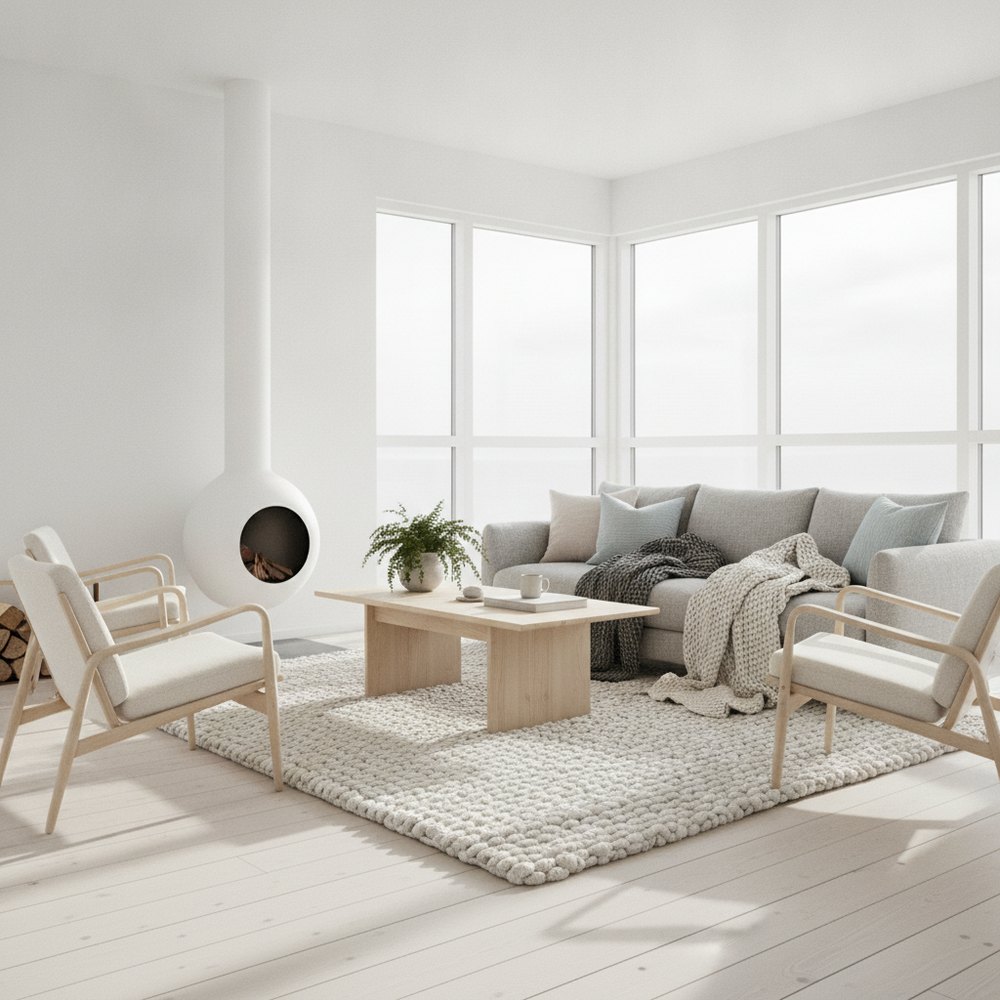
Bohemian interior design is a warm, eclectic style built on layered textiles, natural materials, abundant plants and personal, well-travelled objects. It rejects rigid rules in favour of collected, characterful rooms, mixing patterns, textures and eras around an earthy palette to feel relaxed, lived-in and unmistakably individual.
What is bohemian interior design?
Bohemian, or boho, design is a free-spirited style that celebrates individuality, comfort and a sense of having gathered a home over time rather than buying it in one go. It layers colour, texture and pattern into rooms that feel warm, informal and deeply personal.
Unlike minimalism, which strips away, boho adds and layers, yet it is not simply clutter. The best bohemian rooms have a loose logic: an earthy palette, natural materials and repeated textures that hold the eclectic mix together so it reads as curated rather than chaotic.
At heart, the style is about expression. It rewards the things that mean something to you, an inherited rug, a market find, a hand-thrown pot, and gives them room to coexist. That personal quality is what no showroom scheme can replicate.
Where does bohemian style come from?
The term bohemian originally described unconventional artists, writers and wanderers who lived outside mainstream convention. Their homes reflected that freedom, filled with art, textiles and objects collected from travels rather than matched from a catalogue.
Modern boho draws on that heritage and blends influences from many cultures and craft traditions. Today it often overlaps with a calmer, more contemporary interpretation sometimes called modern boho, which keeps the layered warmth but pares back the busyness.
- Artistic roots a 19th-century culture of creative, unconventional living.
- Global craft textiles, ceramics and rugs from many hand-making traditions.
- 1960s and 70s revival free-spirited pattern, macrame and houseplants.
- Modern boho a lighter, more edited take that keeps warmth without clutter.
What are the defining features of bohemian design?
Boho is defined by abundance handled with intent. Layering is everything: rugs over rugs, cushions in varied prints, throws and wall hangings that build depth and softness. Natural materials and living plants run through it all, keeping the mood organic.
The style also loves the handmade and the imperfect. Slight irregularity, visible weave and patina are features, not flaws, and they give a boho room its warmth and authenticity.
- Layered textiles rugs, throws, cushions and hangings in mixed prints and textures.
- Abundant greenery trailing and statement plants that soften every surface.
- Natural materials rattan, cane, jute, wood, clay and woven fibres throughout.
- Global and vintage finds collected, characterful objects with a story.
- Handmade craft macrame, weaving, pottery and other artisan pieces.
- Relaxed, low seating floor cushions, poufs and inviting, casual furniture.
What is the bohemian colour palette?
Classic boho leans warm and earthy, drawing from natural pigments and sun-baked landscapes. The palette feels grounded and cosy, built on browns, terracottas and warm neutrals with richer accents layered on top.
You can steer boho warmer and more saturated for a traditional feel, or cooler and softer for a modern, calmer version. Either way, letting one tonal family lead keeps the eclectic mix coherent.
- Warm neutrals cream, sand, camel and warm white as the base.
- Earthy core terracotta, rust, ochre, clay and warm brown.
- Botanical greens olive, sage and deeper forest tones from plants and textiles.
- Rich accents mustard, burnt orange, plum and jewel tones in small doses.
- Grounding darks black and deep brown to sharpen an otherwise soft scheme.
Which materials and furniture create the boho look?
Bohemian interiors are a celebration of natural, tactile materials. Rattan, cane and jute appear again and again, alongside timber, clay and richly woven fabrics that invite touch. The variety of texture is what gives a largely earthy room its depth.
Furniture tends to be relaxed and low-key, valued for comfort and character over polish. Vintage and secondhand pieces suit the style perfectly and reinforce its collected, unhurried feel.
- Rattan and cane peacock chairs, headboards and light, woven seating.
- Woven fibres jute and sisal rugs, seagrass baskets and woven storage.
- Textiles kilim and Persian-style rugs, block-printed and tasselled fabrics.
- Timber and clay reclaimed wood tables plus handmade ceramics and vessels.
- Casual seating floor cushions, poufs, daybeds and low, inviting sofas.
How do you light and accessorise a boho room?
Lighting should feel warm and atmospheric, never clinical. Boho favours soft, ambient pools of light and fixtures made from natural materials that cast beautiful shadows.
Accessories are the soul of the style. This is where plants, art, textiles and collected objects turn a well-decorated room into a personal one.
- Woven and beaded fixtures rattan pendants and shades that dapple the light.
- Warm, layered light string lights, lanterns and candles for a soft glow.
- Plants everywhere trailing pothos, palms and statement greenery at varied heights.
- Wall craft macrame, tapestries, woven discs and salon-style art groupings.
- Personal objects ceramics, books and travel finds arranged loosely, not styled stiff.
How do you mix patterns without chaos?
Pattern-mixing is where boho succeeds or falls apart. The trick is to give the eye anchors: a shared palette, a repeated texture and some breathing room so the layers feel intentional.
The easiest way to test a mix before committing is to visualise it on your own space. Upload a photo to Decorly and generate a bohemian version of your room, so you can see how layered rugs, plants and warm tones sit against your real light and proportions before you buy a single cushion.
- Unify the palette keep every pattern within one warm, earthy colour family.
- Vary the scale pair a large print with a medium and a small so they do not compete.
- Repeat a texture echo a material, rattan, jute or a weave, to tie pieces together.
- Leave quiet space a plain wall or rug lets busy elements rest.
- Anchor with neutrals ground the mix on a neutral sofa, floor or base rug.
- Preview first test the layered look on your own photo with Decorly before buying.
What are common bohemian design mistakes?
Because boho embraces abundance, it is the style most likely to tip into disorder. Knowing the pitfalls keeps a room looking collected rather than cluttered.
- Clutter without cohesion layering with no shared palette reads as mess.
- Buying a boho set matching kits look staged and lose the collected feel.
- Forgetting negative space every surface filled leaves the eye nowhere to rest.
- Neglecting plants greenery is essential; without it the look falls flat.
- All pattern, no texture relying on print alone misses the tactile depth.
Frequently asked questions
What is bohemian interior design in simple terms?
It is a warm, eclectic style that layers textiles, plants, natural materials and personal, collected objects into a relaxed, individual space. Boho breaks decorating rules on purpose, favouring character and comfort over matching, polished schemes.
What colours are used in boho decor?
Bohemian schemes lean earthy and warm: cream, sand and camel neutrals with terracotta, rust, ochre and warm brown, plus botanical greens and rich jewel accents. Keeping everything in one warm family holds the eclectic mix together.
How is boho different from Scandinavian style?
Scandinavian design is pared back, light and minimal, while boho is layered, warm and abundant. They can meet in the middle as a look sometimes called Scandi-boho, which keeps clean bones but adds textiles, plants and natural texture.
How do I make a boho room feel curated, not cluttered?
Unify everything within one warm palette, vary pattern scale, repeat a natural texture, and leave some plain, quiet space. Anchoring the mix on neutral furniture and a base rug keeps it looking intentional rather than chaotic.
Can I preview a bohemian look on my own room?
Yes. Upload a photo to an AI tool such as Decorly and generate a bohemian version of your actual space. It keeps your real layout and light, so you can test the layered textiles, plants and earthy palette before buying anything.