Rooms
Game Room Ideas for Gaming Setups, Pool Tables and Family Play
August 10, 2026 · 8 min read
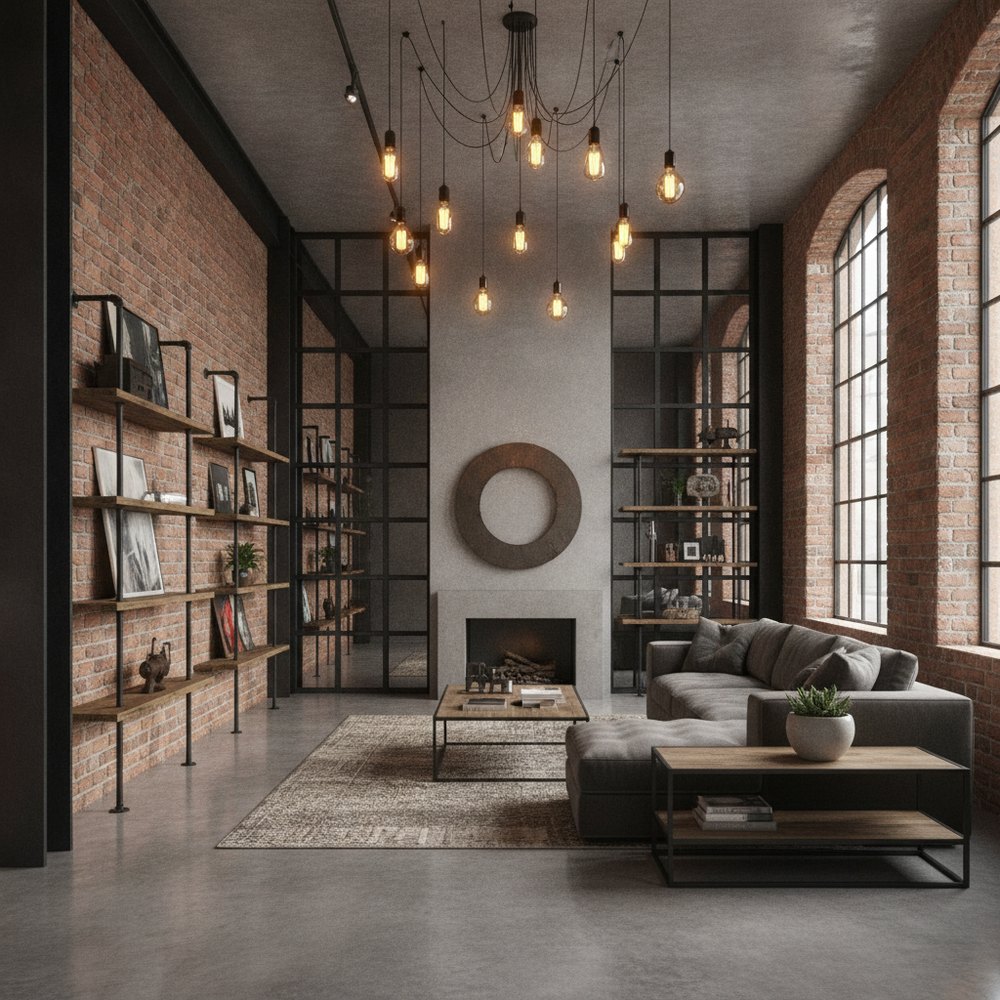
A pool table needs the table plus 1.5 metres clear on all sides, which for a 7-foot table means a room at least 5.2 x 4.0 metres. A gaming setup needs controlled light and sound rather than space. Decide which activity is primary before designing, because the clearances rarely allow two to share one room comfortably.
Start with the clearances, not the theme
Game rooms are one of the few domestic spaces with genuine dimensional requirements, and ignoring them is why so many end up unusable.
The pool table is the strictest. You need the length of a cue, about 1.45 metres, plus a little, clear on every side. For a 7-foot table, that means a room of roughly 5.2 x 4.0 metres; for an 8-foot table, closer to 5.5 x 4.3 metres. A table in a room that is 300mm too short means playing certain shots with a short cue for the rest of its life.
A table tennis table needs even more: 2.74 metres long plus at least 2 metres of run-off at each end for casual play. Darts needs a 2.37-metre throwing distance plus space behind. Whereas a gaming setup needs almost no clearance at all, which is why it is the easiest activity to combine with something else.
Lighting for each activity
The lighting requirements here are close to opposite, which is the main reason combining activities is difficult.
- Pool. A low linear pendant directly over the table at around 800mm above the cloth, so the light is on the table and not in players' eyes. The rest of the room can be dark.
- Screen gaming. Controlled ambient light with no reflection on the screen. A bias light behind the display reduces eye strain considerably.
- Board games and cards. Even, bright, neutral light over a table, which is the opposite of atmospheric.
- Darts. A dedicated light above and slightly in front of the board so the player casts no shadow on it.
- Everything at once. Separate circuits and dimmers, so each activity has its own scene.
Sound: the part that gets skipped
Game rooms are usually loud, often in a basement or a garage conversion with hard surfaces, and the acoustics ruin them more often than the design does.
A room with a hard floor, plasterboard walls and no soft furnishing has a long reverberation time, which makes speech difficult, game audio harsh and the whole room tiring. It is also why noise travels to the rest of the house.
The fixes are cheap and effective: a large rug or carpet, curtains even where there is no window, acoustic panels or a slatted timber wall with felt behind, and upholstered rather than hard seating. If it is under a bedroom, insulation between joists and resilient bars under the ceiling are worth doing at build stage.
Combining activities in one room
Most people want a room that does several things, and some combinations work far better than others.
Pool plus seating works, provided the seating is against a wall and outside the cue clearance. Gaming plus seating works easily. Pool plus table tennis does not work in most domestic rooms; there is a reason venues have separate areas.
The successful pattern is one large-footprint activity plus one small-footprint one. A pool table in the centre with a screen and a sofa along one wall is the classic and it works because the sofa is outside the play zone and the screen needs no floor space.
A convertible table top, a table tennis or dining top that sits on the pool table, is the practical answer when you want two large activities and only have one room's worth of space.
Colour and materials
Game rooms are one of the few rooms where going dark is straightforwardly the right answer.
Dark walls reduce screen reflection, make lighting effects read properly, hide marks in a high-traffic room, and create the enclosed, evening feel that suits the use. Deep charcoal, navy, forest green and near-black all work. A light games room almost always feels like a spare room with a pool table in it.
For materials, favour hard-wearing and forgiving: a good vinyl or engineered floor with a rug, wipeable paint, and upholstery in a performance fabric. This is a room where drinks get spilled.
Storage for games
The clutter here is specific and awkwardly shaped, which is why it usually ends up in a pile.
Cues need a wall rack, not a corner. Board games need deep shelving at least 350mm deep, since standard shelving is too shallow for many boxes. Controllers, headsets and cables need a drawer near the screen with a socket inside, ideally with charging built in.
A run of low cabinets along one wall with a worktop over is the most useful single piece of furniture in a games room: closed storage below, a surface for drinks and cards on top, and it stays outside the cue clearance.
Where to put a game room
The location determines half the design decisions.
A basement is ideal on noise and light control and needs attention to damp, ceiling height and ventilation. Our basement design guide covers those.
A garage conversion is the most common and needs insulation, a proper floor build-up and heating before anything else. A loft is usually ruled out by the pool table clearance and the slope, though it works well for a gaming and media room.
A garden room is excellent for noise separation and expensive per square metre. Whichever it is, plan the power early: a games room needs far more sockets than a standard room, and in specific places.
Check the clearances before you buy
A pool table is not a purchase you want to reverse, and the clearance arithmetic is unforgiving.
With Decorly you can photograph the room and see it laid out with a table, seating and lighting at your real dimensions before ordering anything. For the space itself, see basement design ideas and garage conversion ideas.
Frequently asked questions
What size room do you need for a pool table?
The table plus about 1.5 metres clear on all sides for a cue. A 7-foot table needs roughly 5.2 x 4.0 metres and an 8-foot table closer to 5.5 x 4.3 metres. A room even 300mm short means playing certain shots with a short cue permanently.
How should a games room be lit?
By activity, on separate dimmable circuits. Pool wants a low linear pendant about 800mm above the cloth with the rest of the room dark; screen gaming wants controlled ambient light and a bias light behind the display; board games want even, bright, neutral light over a table.
Why does my games room sound bad?
Hard floors, plasterboard walls and no soft furnishing give a long reverberation time, which makes speech difficult and game audio harsh. A large rug, curtains even without a window, acoustic or slatted panelling, and upholstered seating fix most of it cheaply.
Should a games room be painted dark?
Usually yes. Dark walls reduce screen reflection, let lighting effects read properly, hide marks in a high-traffic room and create the enclosed evening feel the use suits. A pale games room tends to feel like a spare room with a pool table in it.